
Last updated October 31, 2026
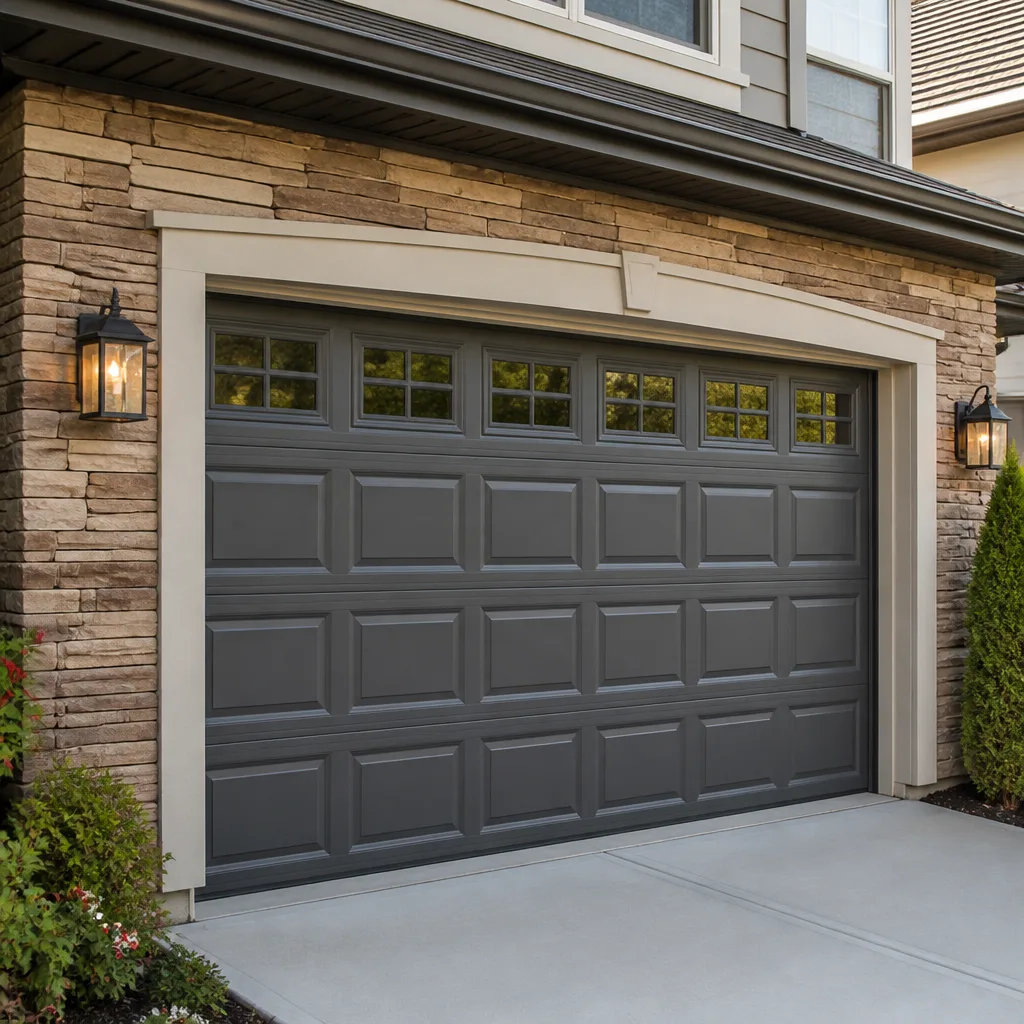 Raised-panel steel
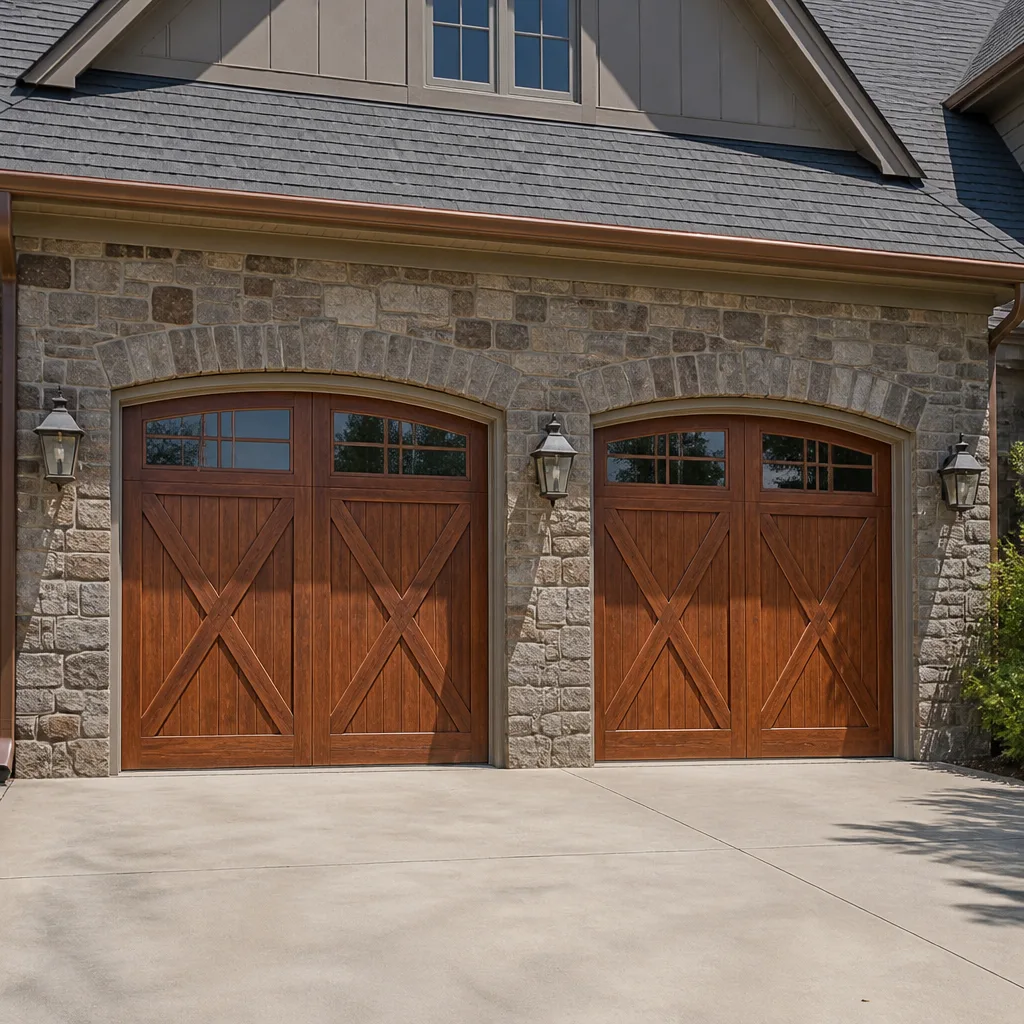 Carriage house
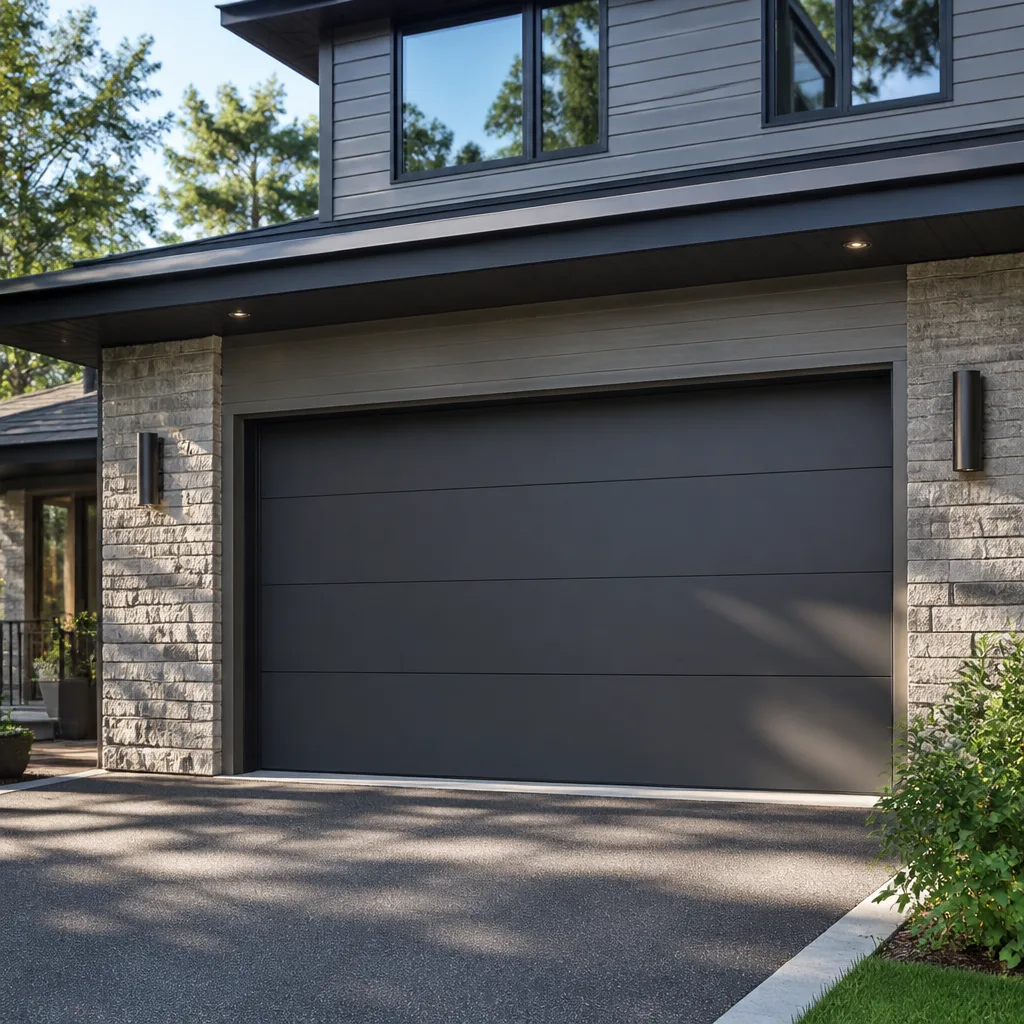 Modern flush
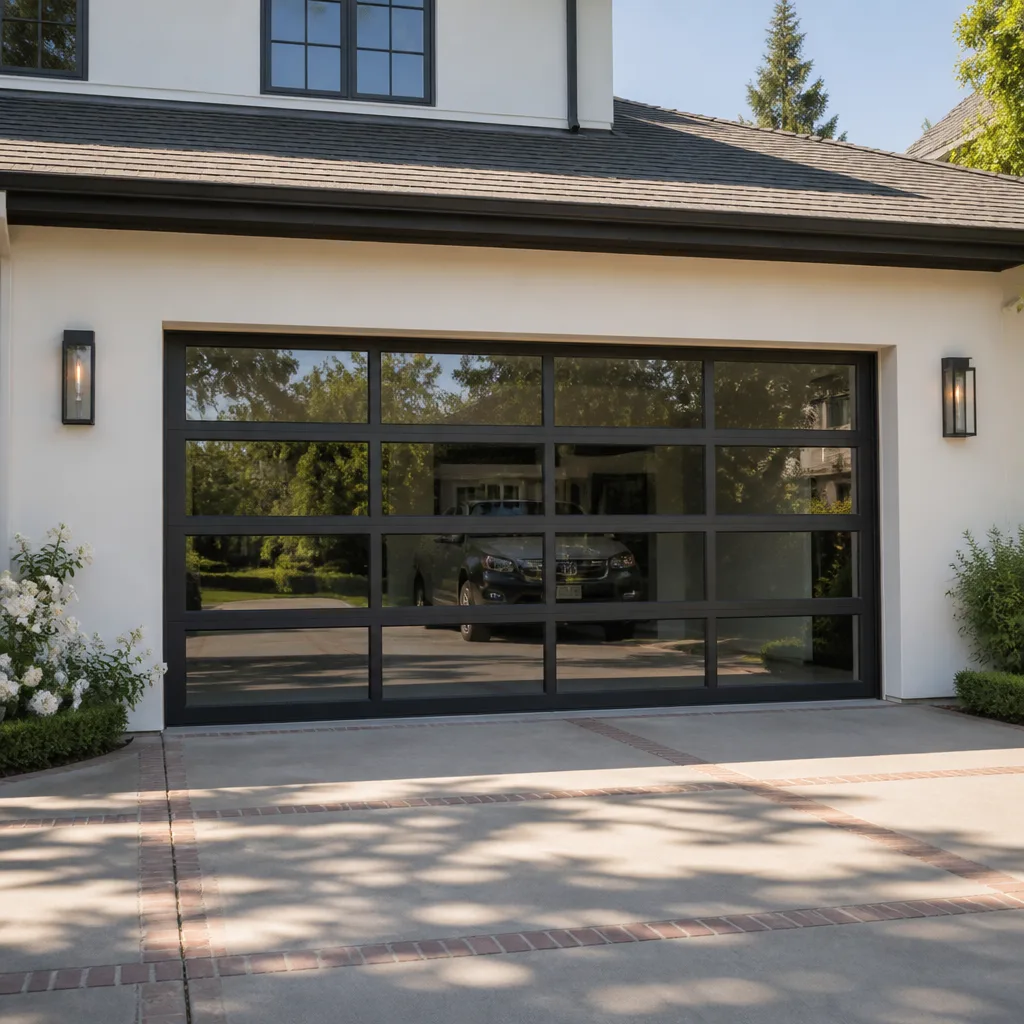 Full-view glass
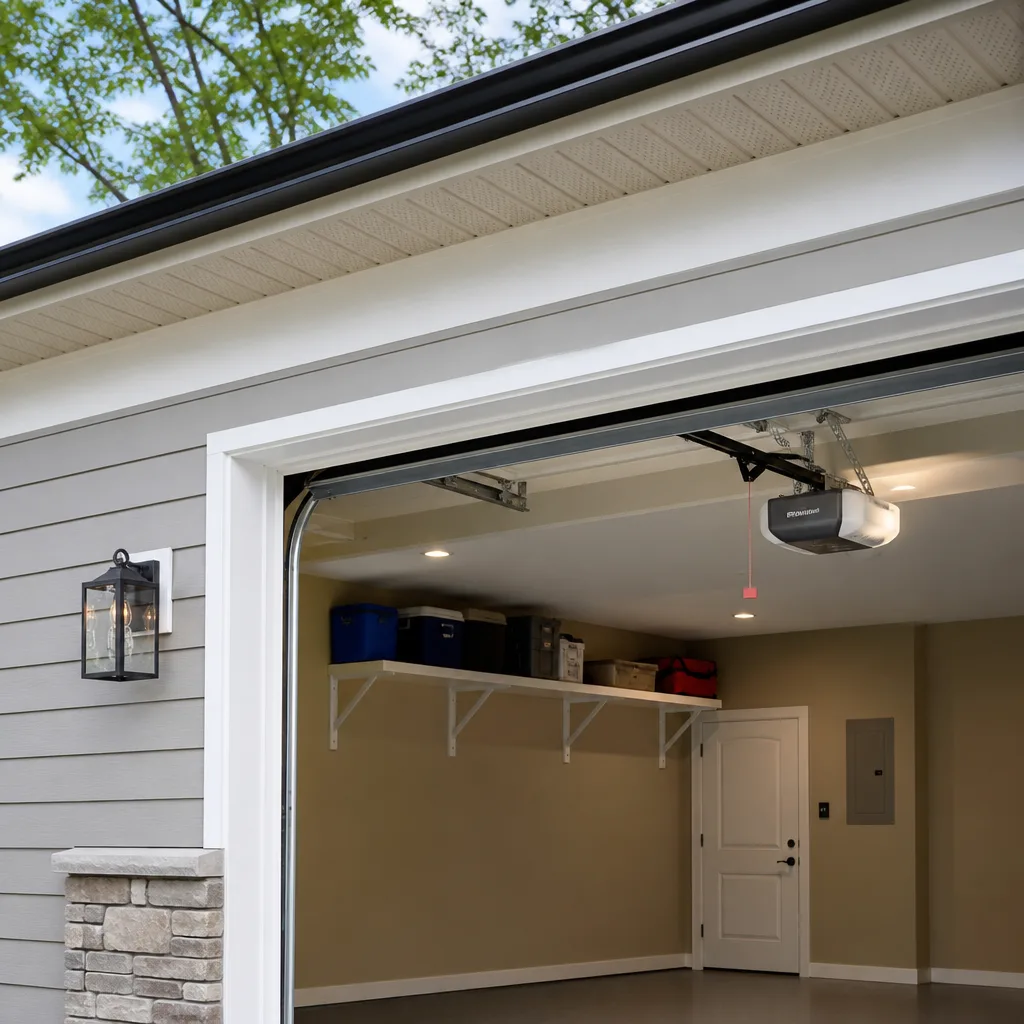 LiftMaster openers
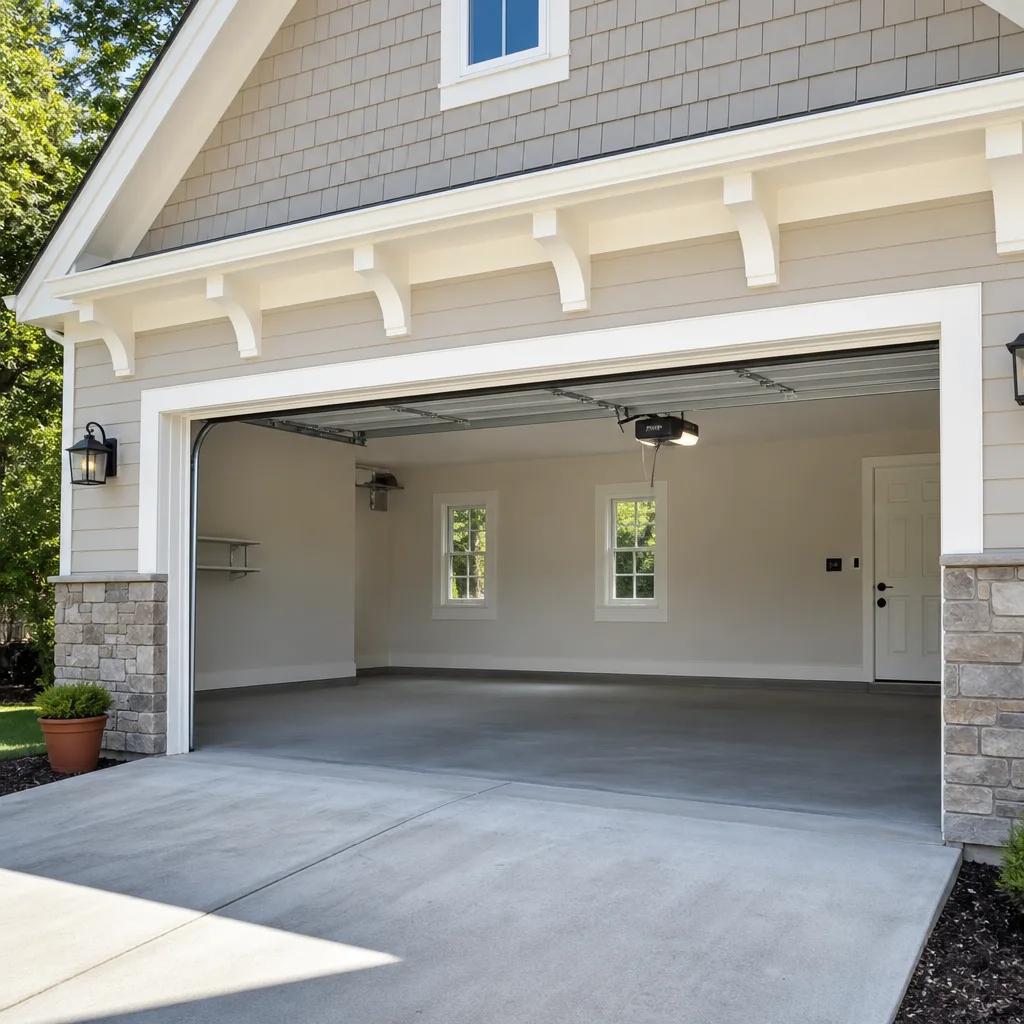 Chamberlain openers
Full 25-point door and opener safety check with every visit - springs, cables, rollers, tracks, and your LiftMaster or Chamberlain opener included
You get a price before we start. It does not change when the truck arrives.
Get your free estimateSeasonal Garage Door Care for Fort Lauderdale: Year-Round Homeowner’s Guide
Here’s a counterintuitive fact about garage doors in Fort Lauderdale: the season that damages them most is not hurricane season. It’s the dry stretch from November through March, when homeowners forget the door exists for months at a time, salt residue from summer storms sits on the springs, and lower humidity quietly dries out every lubricated surface. By the time the first June squall rolls through, the door has already been degrading for half a year. This guide covers the four actual maintenance windows that matter in South Florida’s climate, what each one demands, and what happens when they’re ignored. For a broader overview, see our The Complete Guide to Garage Doors in Fort Lauderdale. We’ve organized it around the weather calendar this city actually experiences, not the four-season template written for houses in Ohio.
Styles & brands we work with
- Raised-panel steel
- Carriage house
- Modern flush
- Full-view glass
- LiftMaster openers
- Chamberlain openers
Quick Answer
Seasonal garage door care in Fort Lauderdale means four distinct maintenance windows: pre-hurricane prep in April and May, active storm protocol from June through October, a post-storm inspection after any named storm passes, and dry-season recalibration from November through March. Each window addresses different failure risks, and together they prevent roughly 80% of the repair calls we see in Fort Lauderdale. For deeper detail on common issues, read The Complete Garage Door Repair Guide for Fort Lauderdale Homeowners.
Table of Contents
- The Pre-Hurricane Window (April through May)
- Active Storm Season Protocol (June through October)
- Post-Storm Inspection: What Breaks Without Showing It
- The Dry Season Recalibration (November through March)
- Year-Round UV Damage Tracking: Reading Your Door’s Lifespan
- Salt Corrosion: Fort Lauderdale’s Invisible Spring Killer
- Common Mistakes to Avoid
- When to Call a Professional
- Frequently Asked Questions
- The Bottom Line
The Pre-Hurricane Window (April through May)
If you do one maintenance block all year, make it this one. The six weeks between mid-April and May 31 are when a garage door either gets prepared for summer stress or quietly sets itself up for a mid-storm failure. The National Hurricane Center records show that Fort Lauderdale’s risk window opens on June 1 and runs through November 30, and every year we see a spike in calls during the first week of June from homeowners who waited too long.
What should happen during this window is specific and mechanical, not cosmetic. Here’s the sequence we recommend:
- Test the balance. Pull the emergency release cord and lift the door manually. It should feel weight-neutral, meaning you can stop it at any point and it holds. If it drifts down or slams up, the springs are wearing and the opener motor is compensating. That’s a failure waiting for a high-wind event.
- Inspect the bottom seal. Press your fingers along the entire length of the weatherstrip at the door’s base. In Fort Lauderdale, this rubber degrades in about 18 to 24 months from UV exposure and salt air. A cracked seal during a heavy rain lets water push under the door and across your garage floor.
- Run the opener on manual. Disconnect the opener and operate the door by hand. Listen for grinding at the rollers, resistance at the midpoint of the tracks, or a cable that looks frayed where it wraps around the drum. These are the sounds of a door that will fail under wind load.
- Check the opener battery. If your opener has a battery backup, test it by pulling power to the unit while the door is closed, then opening it on battery alone. A backup that doesn’t work is just dead weight bolted to your ceiling.
- Consider a bracing kit. Homes in Davie, Plantation, and eastern Fort Lauderdale neighborhoods built before the 2002 Florida Building Code updates often have garage doors not rated for current wind-load standards. A retrofit bracing kit, typically vertical steel posts that anchor the door to the floor and header, is the single best structural upgrade you can make before June 1.
We work on your brand, whether that’s a Clopay steel door on a 1990s house in Coral Ridge or an Amarr carriage-style door on newer construction in Victoria Park. If you’re considering an upgrade, see Choosing the Right Garage Door Brand: A Buyer’s Guide for Fort Lauderdale. The pre-hurricane check is identical in principle across all of them: mechanical soundness first, weather sealing second, opener readiness third.
Active Storm Season Protocol (June through October)
Once a named storm enters the picture, the rules change. Your garage door stops being a convenience and becomes the largest single structural opening in your house. A door that fails during a hurricane converts interior air pressure into a sail that can lift your roof. This is not exaggeration. Florida building science research after Hurricane Andrew identified garage door failure as a primary cause of catastrophic roof loss. Fort Lauderdale building code now treats garage doors on homes in the High Velocity Hurricane Zone as structural components, not accessories.
Here’s the protocol for the two distinct alert levels:
Tropical Storm Watch or Warning
- Close the door and leave it closed. Opening and closing during high wind gusts flexes the horizontal sections and twists the tracks.
- If you have a battery backup opener, verify it’s charged but do not run the door unless you must leave.
- Clear the sensor line at the bottom of the photo-eye receivers. Dust and debris will accumulate during the storm’s outer bands and cause phantom reversal failures.
- Do not use the manual release during lightning. A steel cable in your hand during an electrical storm is a conduction risk.
Hurricane Warning
- Close and secure the door before winds reach sustained tropical-storm strength. Once gusts exceed about 40 mph, the door’s panel surface area becomes a sail that can jam the rollers mid-track or pull cables off the drum.
- Engage the manual slide lock if your door has one. This deadbolts the door to the vertical track and adds significant resistance to inward flexing.
- If you have a bracing system, install it now. Not after the weather deteriorates. Most bracing kits require about 20 minutes and a second set of hands.
- Disconnect the opener carriage. Pull the red release handle so the opener motor isn’t trying to hold the door against the wind. The motor’s internal brake is not designed for sustained lateral load.
- Move vehicles away from the door. If the door fails, you don’t want a car parked directly behind the point of impact.
One thing we tell every homeowner in Fort Lauderdale: a garage door that survives a tropical storm without damage is not necessarily fine. Latent damage from pressure flexing shows up weeks later, which is why the post-storm check matters as much as the prep.
Post-Storm Inspection: What Breaks Without Showing It
After any named storm passes through Fort Lauderdale, there’s a predictable pattern. The door still opens. The homeowners breathe a sigh of relief. Three weeks later, the opener starts straining, or the door shudders halfway up, or a cable snaps without warning. The damage was there immediately after the storm, but nobody looked for it.
Here’s what to inspect within 48 hours after the winds die down, even if the door works perfectly:
- Track alignment. Stand inside the garage and sight down each vertical track. A track bowed inward by even a quarter inch means the rollers are now fighting friction on every cycle. In Fort Lauderdale, where many doors are reinforced with wind-load struts, the struts themselves can deflect and push tracks out of parallel.
- Weatherstrip blow-out. The rubber seal along the bottom and sides gets compressed during pressure changes, then snaps back. Micro-tears from that cycle widen over the following weeks. Run your hand along the perimeter and look for gaps where daylight enters.
- Salt deposits on springs and cables. This one is unique to coastal cities. Storm surge and wind-driven rain carry salt mist inland for miles, and it settles on every metal surface. Salt is hygroscopic, meaning it pulls moisture from the air and accelerates rust. A torsion spring that looked clean in March can show surface rust spotting by September. Left untreated, that becomes pitting that leads to premature fracture.
- Opener force settings. After pressure flexing, the door’s weight distribution can shift subtly. If the opener’s force adjustment was on the threshold before the storm, it may now be overtaxed. Run the opener and listen for a humming sound during the first few feet of travel.
- Roller wear. Nylon rollers absorb shock and can develop flat spots. Steel rollers bend at the stem. Either condition accelerates track wear. Rollers are cheap to replace and expensive to ignore.
We’ve seen doors in the Middle River Terrace neighborhood of Fort Lauderdale that worked fine for two weeks after a storm, then shed a cable because the drum had shifted by a few millimeters during wind loading. The door worked until suddenly it didn’t. Post-storm inspection is when repair or replace decisions get made while options are still cheap.
The Dry Season Recalibration (November through March)
Fort Lauderdale’s dry season is what passes for winter here, if winter meant 75 degrees and humidity dropping from 90% to 60%. For your garage door, that humidity swing is more stressful than the heat. Here’s why: wood absorbs and releases moisture with the ambient air. A wood door that swelled during summer contracts during the dry months, which shifts its weight and changes the balance point. Metal components don’t care about humidity directly, but the lubrication on them does.
In our experience, the most common dry-season service calls in Fort Lauderdale fall into three categories:
- Balance drift on wood doors. The door loses several pounds of moisture weight between November and February. The springs, which were calibrated for the heavier summer door, now provide too much lift. The door feels jumpy or wants to rise on its own. It needs a spring adjustment, not a replacement.
- Stiff operation from dried lubricant. Spray lubricants evaporate faster in low humidity, especially on rollers and hinges exposed to the cool overnight air. The door develops a chattering sound and the opener works harder. Re-lubrication with a silicone-based product fixes this in ten minutes.
- Opener logic board sensitivity. Dry air means more static electricity. We hear from homeowners whose opener’s control board throws phantom error codes or loses remote pairing during the driest weeks. This is often environmental, not electrical failure.
For Wayne Dalton doors specifically, which use a torquemaster spring system rather than a conventional torsion bar, dry-season recalibration can be trickier. The internal spring design means you can’t visually inspect spring condition the way you can with a standard torsion assembly. If a Wayne Dalton door feels unbalanced in December, we recommend making the drive from Palm Aire to the shop for a proper diagnosis. Some things shouldn’t be self-assessed. If you’re in the Palm Aire area specifically, our Garage Door Repair in Palm Aire page covers what we see in that neighborhood’s housing stock season after season.
Year-Round UV Damage Tracking: Reading Your Door’s Lifespan
Fort Lauderdale sits at roughly 26 degrees north latitude. That means your garage door receives about 3,000 hours of direct sunlight per year if it faces south, east, or west. UV radiation is the most underappreciated wear factor in garage door maintenance because it works on a timeline measured in years, not weeks. You won’t notice it month to month, but it’s compounding every single day.
Here’s how to read UV damage on the three materials most common in Fort Lauderdale:
- Steel doors. The paint system on a steel door typically has a 10 to 15 year UV life. When you see chalkiness (a fine powder rubs off on your hand), that’s the paint resin breaking down. Fading from a deep color to a lighter shade means the protective clear coat is gone and the color coat is next. Once the primer is exposed, corrosion follows within about 18 months.
- Wood doors. UV doesn’t fade wood the way it fades paint; it breaks down the lignin that holds wood fibers together. A wood door in full Fort Lauderdale sun will show surface checking (small splits along the grain) within three to five years without refinishing. Cracks wider than a dime mean moisture is getting into the door’s core and the clock is running on structural integrity.
- Vinyl or composite doors. These resist fading better than paint, but the vinyl itself becomes brittle. Press a fingernail into an inconspicuous edge. If the material dents and stays dented, it’s still resilient. If it feels hard and unyielding, the plasticizer has leached out and the panels are becoming shatter-prone.
UV also attacks weatherstripping. A bottom seal that was soft and pliable when installed becomes hard, then cracks at the fold points, then splits entirely. In Fort Lauderdale, we recommend replacing bottom seals every two years and side seals every three to four years, regardless of visible condition. The rubber is degrading chemically whether or not it looks damaged.
Genie and Clopay both offer UV-stable seal materials designed for southern exposure. If you’re replacing seals on a door that faces the afternoon sun, spending the extra few dollars for UV-stable rubber extends the replacement interval by about 50%. Not all seals are equal, and in South Florida sun, the cheap version costs more over time.
Salt Corrosion: Fort Lauderdale’s Invisible Spring Killer
We covered salt briefly in the post-storm section, but it deserves its own heading because it’s the failure mode most homeowners never see coming. Fort Lauderdale is not on the open ocean the way beachfront cities are, but the city sits between the Atlantic and the Everglades, and the prevailing easterly breeze carries salt aerosol inland for several miles. Homes east of Federal Highway get the heaviest exposure, but during summer thunderstorm conditions, salt mist travels much further.
What salt does to a garage door system:
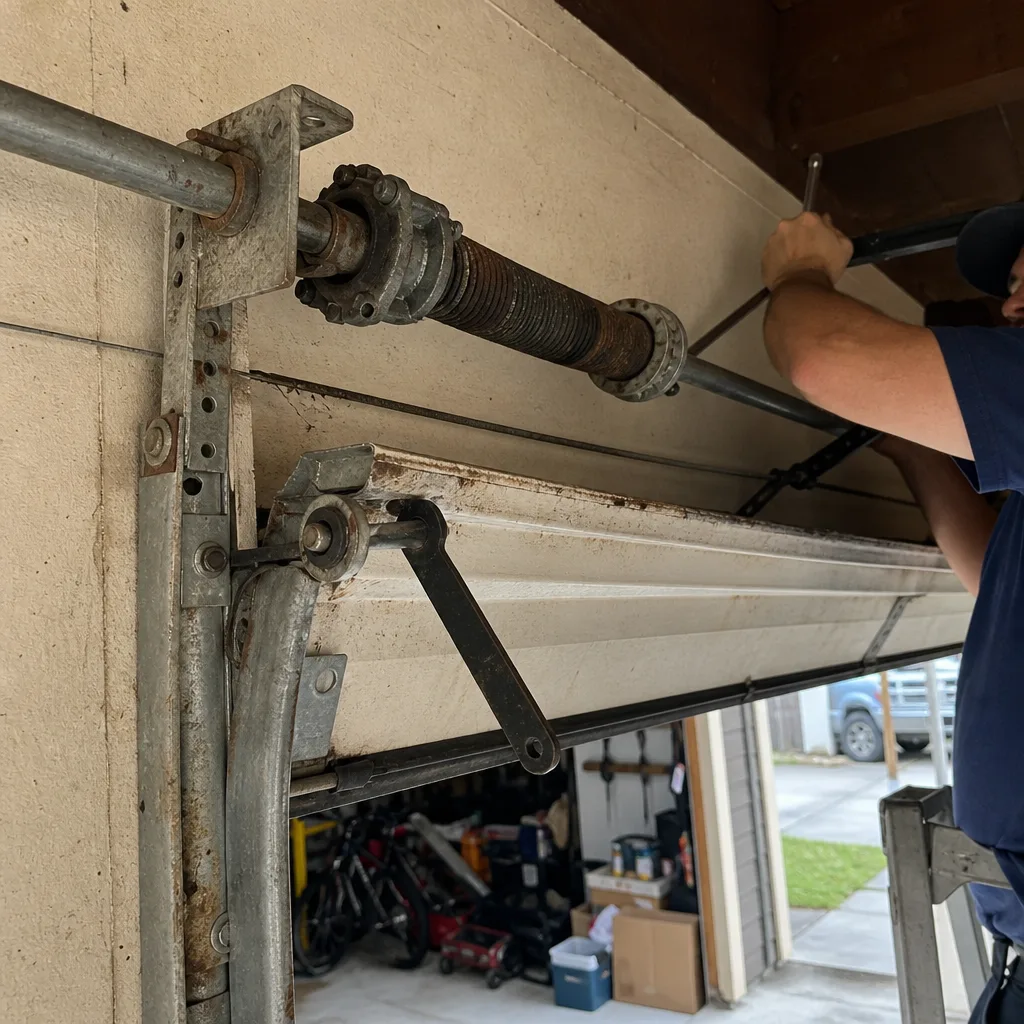
- Torsion springs: These are high-carbon steel under enormous tension. Salt creates localized corrosion pits on the spring surface. Each pit is a stress concentrator. Over thousands of open/close cycles, a microcrack forms at the bottom of a pit and propagates. When the spring fails, it’s sudden and loud. The average lifespan of a torsion spring in Fort Lauderdale’s coastal zone is 5 to 7 years, compared to 8 to 10 years inland.
- Roller stems and hinges: Zinc-plated hardware corrodes visibly within 12 months near the coast. Galvanized steel lasts longer. Stainless steel is ideal for homes within a mile of salt water. If your door has white powdery residue on metal parts, that’s zinc oxide, the first stage of corrosion.
- Opener rail and chain: The chain or belt sits exposed inside the garage and picks up whatever corrosion is happening. More importantly, the rail accumulates salt dust that mixes with lubricant to form an abrasive paste. That paste grinds away at the traveler wheels and accelerates rail wear.
Prevention is straightforward: rinse metal components with fresh water every 90 days during salt season, dry them, and re-apply a light machine oil to springs and hinges. This takes 15 minutes. For homes in the direct coastal zone, we recommend upgrading to stainless steel hardware when components need replacement. It costs about 30 percent more upfront and lasts three times longer. If you need opener-specific diagnostics for a salty environment, our Garage Door Opener Repair in Palm Aire page explains what we test when corrosion is suspected in the motor assembly or control board.
Common Mistakes to Avoid
- Lubricating the track. The rollers ride on the track, and lubricating it attracts dust and salt that grinds the rollers down faster. Lubricate the rollers, hinges, and springs only. The track should stay dry and clean.
- Using WD-40 on moving parts. WD-40 is a solvent with light oil, not a lubricant. It strips away existing grease and leaves very little behind. Use a silicone spray for rollers and a white lithium grease for hinges and spring coils.
- Ignoring the opener’s force setting after a door change. If you install a new bottom seal or add insulation panels, you’ve changed the door’s weight. The opener’s force and travel limits need rechecking or the motor strains against a load it wasn’t set for.
- Waiting for a full failure before addressing symptoms. A grinding sound, a door that creeps down after opening, or an opener that hums before moving are all early-stage signals. Every week of delay moves the repair from a component swap to a system replacement.
- Replacing one spring instead of both. Torsion springs are matched pairs with identical cycle counts. When one breaks, the other is near failure. Replacing only the broken one means a second service call and a door that’s now unbalanced under mismatched spring tension.
- Treating battery backup as optional. In Fort Lauderdale, the power goes out during storms and stays out for days in some neighborhoods. A garage door opener without battery backup means manually lifting a hurricane-rated door, which weighs 150 to 250 pounds, every time you need the car. The battery backup is not an upsell; it’s the part that keeps the door usable when everything else is dark.
- Skipping the post-storm lubrication. Salt air plus dry lubricant equals gummed-up rollers that accelerate track wear. The two weeks after a storm are when moving parts need a wipe-down and a fresh coat more than any other time.
When to Call a Professional
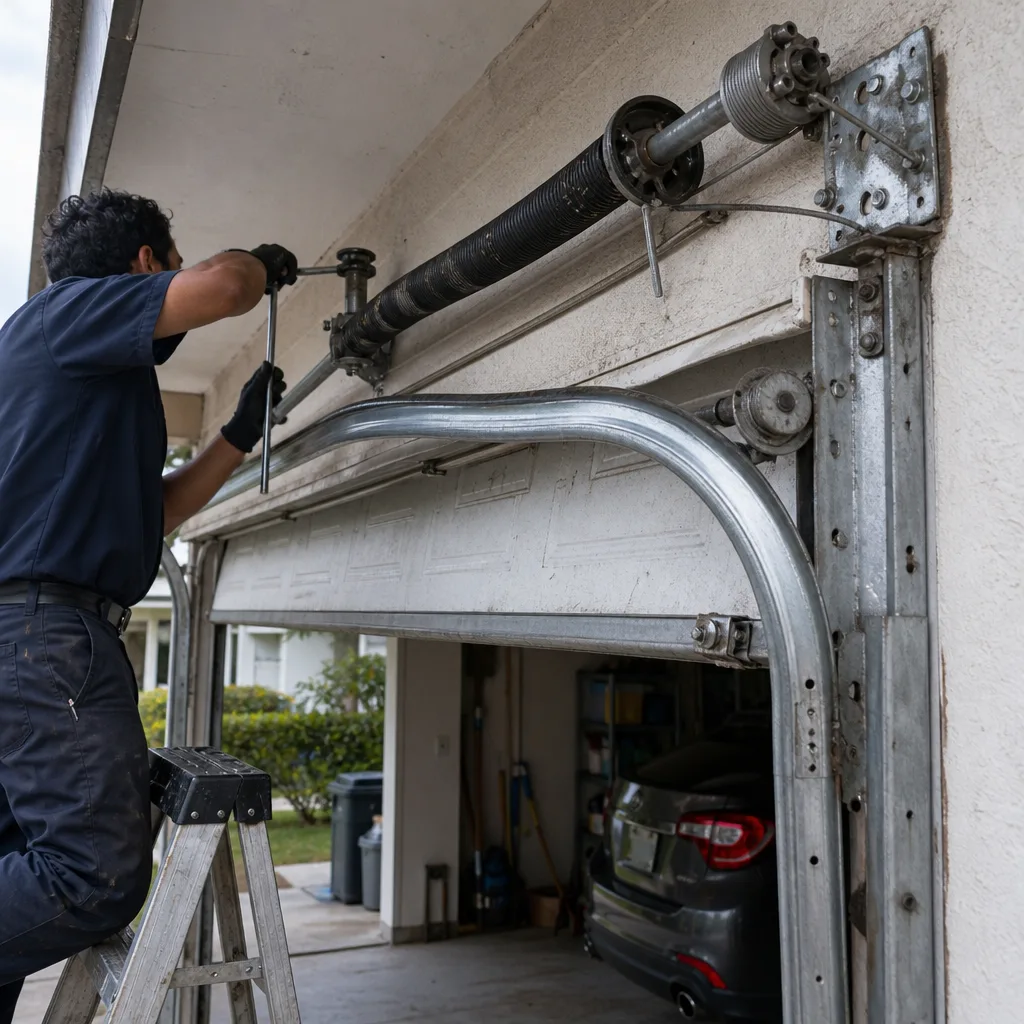
Some garage door work is genuinely dangerous, and the boundary between DIY and professional is not about skill. It’s about stored energy. A torsion spring under full tension holds enough force to break bones or remove fingers if it releases. A cable under tension can slice through a glove. Attempting spring replacement, cable replacement, or anything involving the high-tension components without the proper winding bars and experience is the most consistent source of serious injury we see in this trade.
Call a professional when: a spring breaks, a cable frays or disconnects, the door comes off its track, the opener makes grinding noises, the door reverses unexpectedly, or balance testing reveals a door that won’t stay in place. Also call if you have a hurricane-rated door and suspect wind damage even if it works fine. Latent damage on a storm-rated door can compromise the exact protection you bought it for. If you’re in or near the Palm Aire area, our Garage Door Installation in Palm Aire page covers full replacement when repair is no longer cost-effective.
Fort Lauderdale Garage Door Repair offers free estimates in Fort Lauderdale. Call (855) 382-3858 and we’ll tell you what’s wrong, what it costs to fix, and whether repair or replacement makes more sense for your door. The price is quoted and agreed before any work starts. See more about what we cover on our Fort Lauderdale Garage Door Repair home page.
Frequently Asked Questions
Every three months during the salt-heavy summer and fall season, and every four to five months during the dry season. Fort Lauderdale’s combination of salt air and high humidity degrades lubricant faster than inland locations. Use a silicone spray on rollers and a lithium grease on hinges and spring coils. Skip the track entirely. Call (855) 382-3858 if the door still sounds rough after lubrication, which usually means roller wear has already begun.
Doors installed after the 2002 Florida Building Code update in Fort Lauderdale should already meet High Velocity Hurricane Zone wind-load requirements. However, bracing adds protection beyond code minimums for homes in the most exposed east-facing positions. The specific answer depends on your door’s design pressure rating, which is printed on a label inside the door panel. If the label is missing or unreadable, professional inspection is the only way to verify compliance.
A complete seasonal service, including balance testing, lubrication, seal inspection, hardware tightening, and opener diagnostics, typically runs $85 to $150 in Fort Lauderdale depending on door type and access. Individual component replacements like bottom seals run $40 to $90 installed. Spring replacement runs $180 to $340 for a pair. Call (855) 382-3858 for an exact quote, which is free and agreed before work begins.
Yes: replace bottom seals on a two-year schedule, rinse salt off metal components quarterly, lubricate rolling surfaces seasonally, keep the door balanced rather than letting the opener compensate, and address rust spots on hardware as soon as they appear. Consistent small interventions add three to five years to the average door’s usable life in Fort Lauderdale’s climate, based on what we see across the doors we service.
The humidity drop during Fort Lauderdale’s dry season changes the door’s weight if it’s wood, reduces lubrication effectiveness on metal parts, and increases static electricity that can confuse opener logic boards. A door that feels jumpy, stiff, or erratic in December often just needs recalibration for dry-season conditions, not major repair.
If your current door is more than 15 years old, lacks wind-load reinforcement, and faces east toward the Atlantic, replacing it before June is the safest call. Installation lead times in Fort Lauderdale stretch to three to six weeks in May as every homeowner has the same idea. If replacement is not in the budget, a retrofit bracing kit is the next best option. Call (855) 382-3858 for a free measure and written price.
The Bottom Line
Fort Lauderdale’s garage door maintenance calendar has four real seasons: the pre-hurricane window from April through May, active storm protocol from June through October, post-storm inspection after every named system, and dry-season recalibration from November through March. Each one addresses a different failure mechanism, and each one is cheap to do and expensive to skip. Salt corrosion, UV degradation, and humidity swings work on your door every day, whether you’re paying attention or not. The homeowners who get ten-plus years of reliable service from a garage door in this climate are not lucky. They follow the calendar. Repair or replace, we’ll tell you which one actually makes sense. One call covers it: (855) 382-3858.
Written by the team at Fort Lauderdale Garage Door Repair, serving Fort Lauderdale since 2018.
See the difference
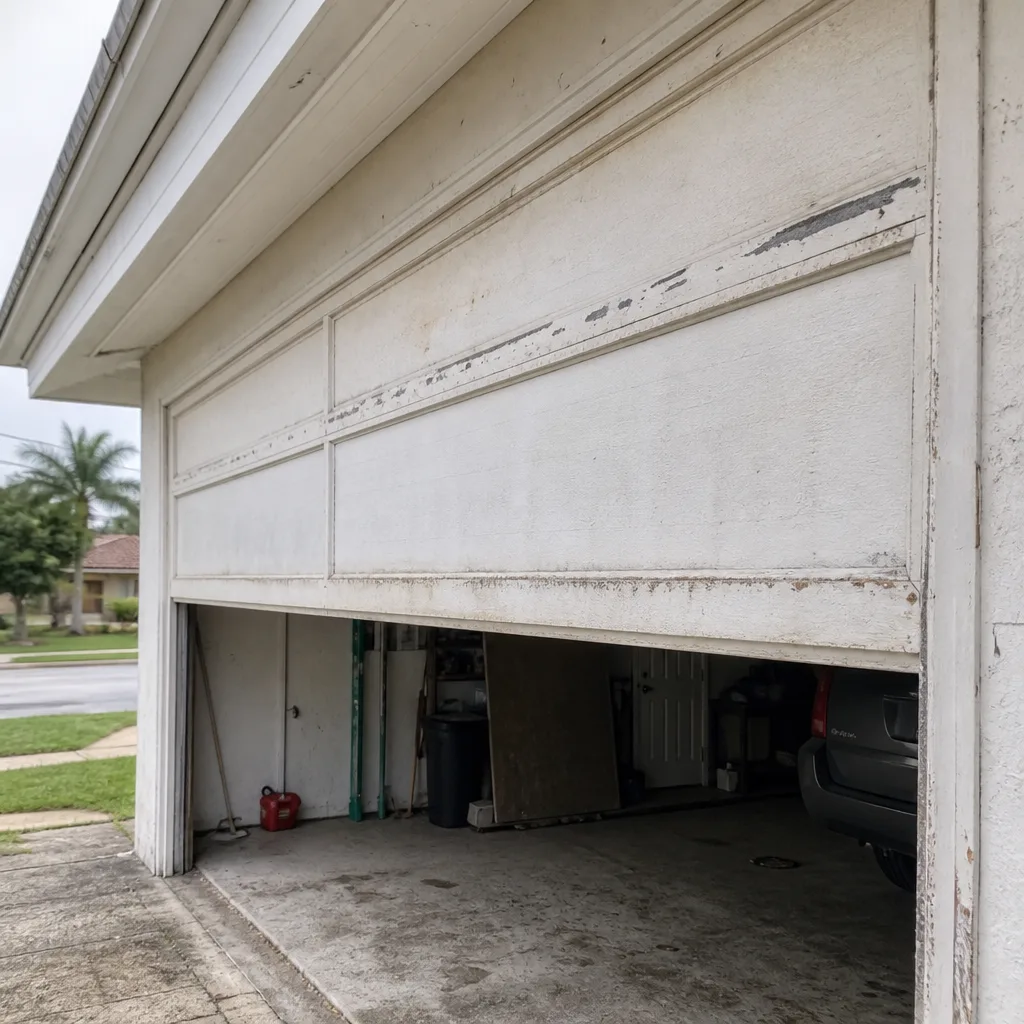 Before
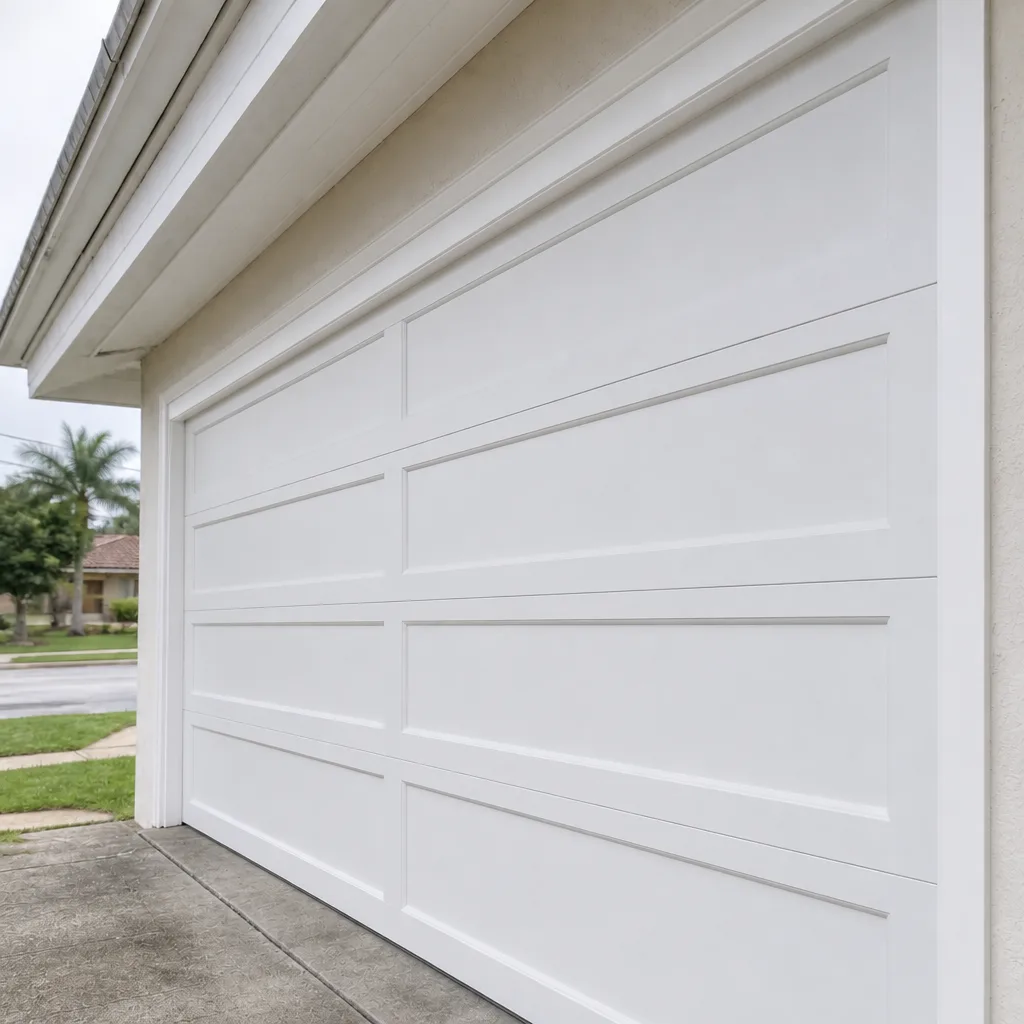 After
 Before
 After
 Before
 After