
Last updated October 31, 2026
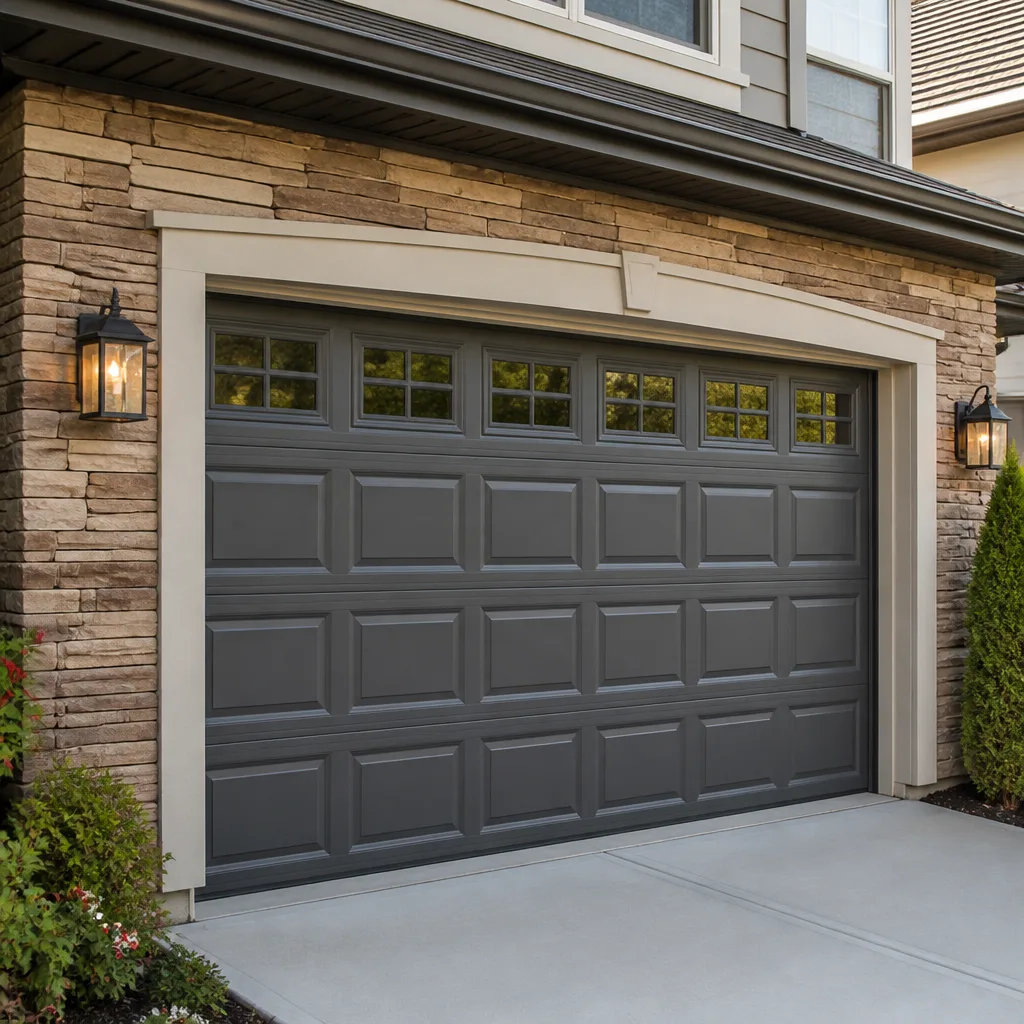 Raised-panel steel
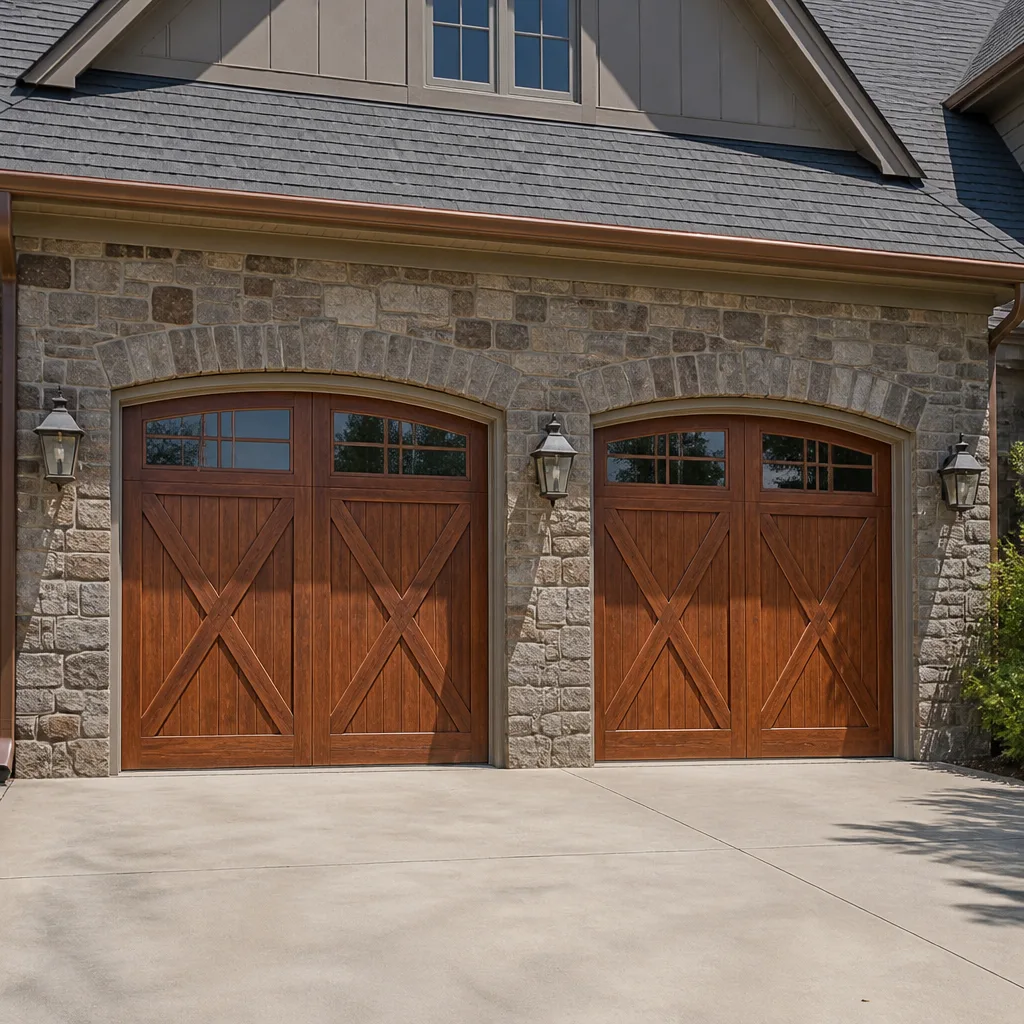 Carriage house
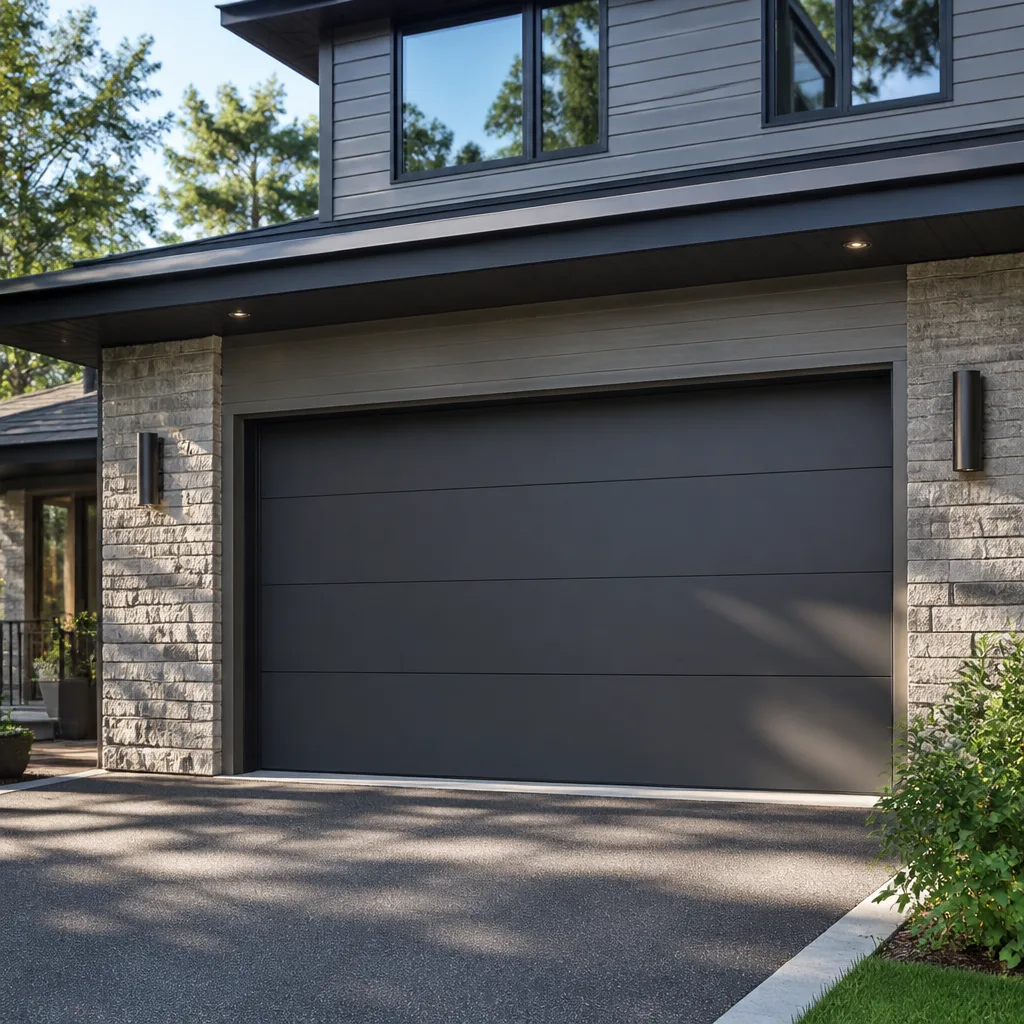 Modern flush
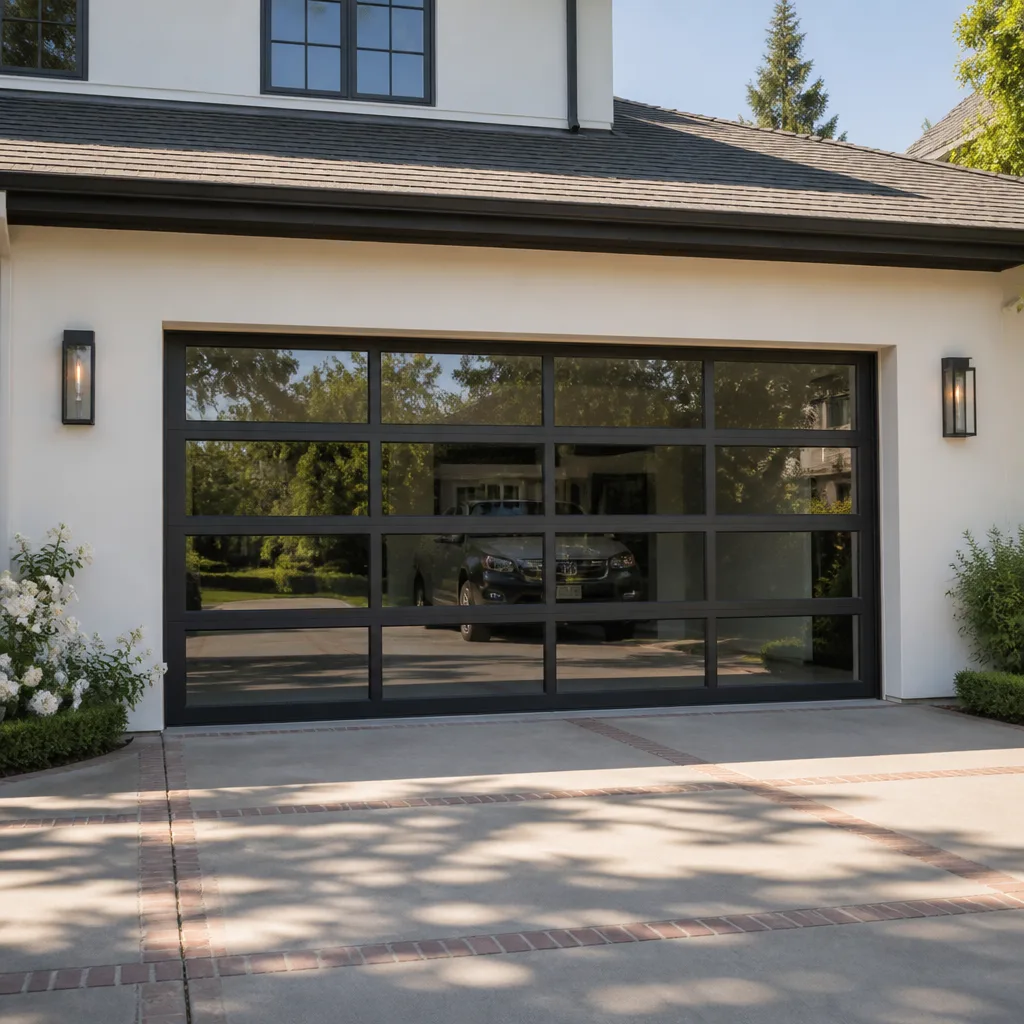 Full-view glass
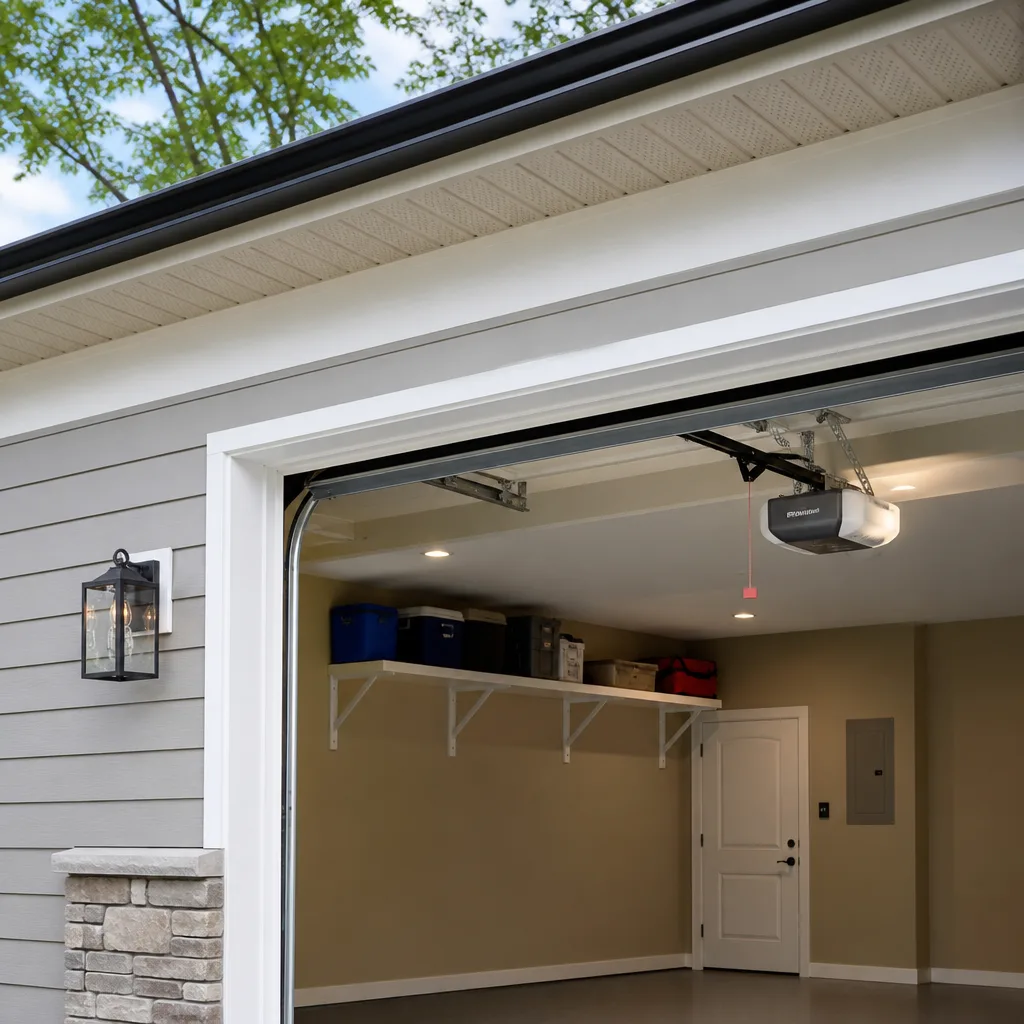 LiftMaster openers
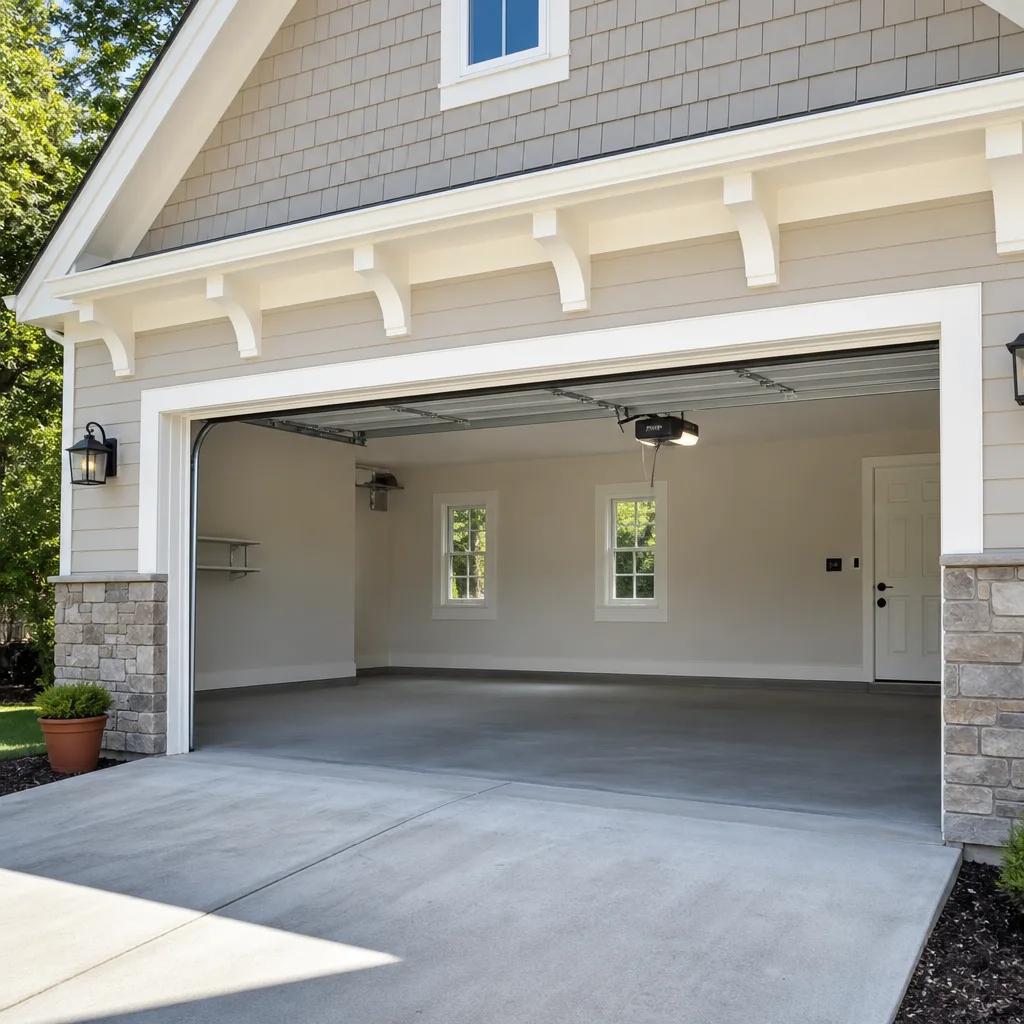 Chamberlain openers
Full 25-point door and opener safety check with every visit - springs, cables, rollers, tracks, and your LiftMaster or Chamberlain opener included
You get a price before we start. It does not change when the truck arrives.
Get your free estimateThe Complete Guide to Garage Doors in Fort Lauderdale
Most garage door guides are written for Ohio. Fort Lauderdale homeowners deal with 80% average humidity, salt-laden air, and hurricane-code requirements that make roughly half of that advice irrelevant or actively harmful. A door that performs flawlessly in Columbus for 15 years might show serious corrosion in Coral Ridge within seven. This guide is built around the realities of owning and maintaining a garage door in coastal Broward County, where your door is not just a convenience, it’s a structural component of your home’s wind-resistance envelope. You’ll learn how salt air attacks your hardware, what Florida Building Code actually requires, which brands hold up, and how to decide between repair and replacement, or see our DIY vs Professional Garage Door: The Fort Lauderdale Homeowner’s Decision Guide for more detail on that choice.
Styles & brands we work with
- Raised-panel steel
- Carriage house
- Modern flush
- Full-view glass
- LiftMaster openers
- Chamberlain openers
Quick Answer
A garage door in Fort Lauderdale is a mechanical system with a South Florida lifespan, typically 8 to 12 years for doors near the coast and 5 to 8 years for openers. The two biggest local factors are salt-air corrosion on springs, cables, and tracks, and Florida Building Code wind-load requirements that apply even to replacements. Homeowners should budget roughly $150 to $400 for typical repairs, $350 to $700 for opener replacement, and $1,200 to $3,500 for a new wind-rated door installed; see our Garage Door Cost Breakdown: The Fort Lauderdale Homeowner’s Reference for 2026 for a full breakdown.
Table of Contents
- How Salt Air Attacks Your Garage Door in Fort Lauderdale
- Florida Building Code Wind-Load Requirements Explained
- Repair, Upgrade, or Replace: Honest Cost Thresholds
- Brand-by-Brand Humidity and Wind-Rating Performance
- Why Opener Choice Matters More in Florida Heat
- A Fort Lauderdale Maintenance Schedule That Actually Works
- Common Mistakes to Avoid
- When to Call a Professional
- Frequently Asked Questions
- The Bottom Line
How Salt Air Attacks Your Garage Door in Fort Lauderdale
Salt air is an electrochemical accelerant. When salt-laden moisture settles on steel components, it creates a conductive film that speeds up oxidation far beyond what inland humidity alone would cause. In neighborhoods like Rio Vista, Las Olas Isles, and Harbor Beach, we regularly see springs showing pitting and rust within four to five years of installation. The same spring in a non-coastal Broward community might last seven to eight.
The components most vulnerable to salt-air corrosion are, in order of failure frequency:
- Torsion springs: Constant tension plus surface corrosion equals premature fatigue. A rusted spring does not fail gracefully, it snaps, often when the door is mid-cycle.
- Cables: Galvanized steel cables hold up reasonably well, but the fittings and anchor points where they attach are the weak spots. Once corrosion starts at a fitting, the cable can fray and let go under load.
- Rollers and hinges: Sealed-bearing nylon rollers resist corrosion better than steel rollers, but the hinge brackets and mounting hardware are typically zinc-plated only, not marine-grade.
- Track assemblies: Vertical tracks are usually galvanized, but the fasteners and brackets securing them to the wall are not. Rust at the bracket weakens the connection and can cause track misalignment.
What actually holds up in coastal Broward County is a material question, not just a coating question. Galvanized steel with a G90 or heavier zinc coating performs well for panels but still requires periodic inspection of hardware. Aluminum doors resist corrosion naturally and are lighter, but they dent more easily and can be problematic in high-wind zones unless specifically engineered for Miami-Dade or Broward wind-load requirements. Fiberglass doors resist both corrosion and denting, but they can fade and become brittle after prolonged UV exposure. For homes within about two miles of the ocean, aluminum and fiberglass are the practical choices. Further inland, good-quality galvanized steel with regular hardware maintenance performs fine.
One thing many Fort Lauderdale homeowners overlook is that corrosion damage is not purely cosmetic. A pitted torsion spring is a structural liability. Surface rust on a cable fitting is a failure waiting to happen. If you can see visible rust on your springs or cable anchors, that is not something to monitor. That is something to replace, and it’s a central part of the Fort Lauderdale Garage Door Repair home service area we cover every day.
Florida Building Code Wind-Load Requirements Explained
Florida Building Code Section 1609 governs wind loads, and garage doors are explicitly covered. For Broward County, the design wind speed for most residential structures falls in the 170 to 180 mph range depending on exact location and exposure category. What this means in practice is that a garage door installed in Fort Lauderdale must be rated to withstand positive and negative wind pressures that would be considered absurd in most of the country. Your garage door is the largest opening in your home’s wind envelope, and if it fails during a hurricane, the resulting pressure change can lift your roof.
The code applies to replacements, not just new construction. If you are replacing a garage door on an existing home in Fort Lauderdale, the new door must meet current wind-load standards for your specific location. You cannot simply swap in whatever fits the way you might in a non-coastal market. Here is the step-by-step process a compliant replacement actually involves:
- Wind-load determination: The door spec is matched to your home’s design wind speed, exposure category (B, C, or D based on terrain and proximity to water), and building height. A waterfront home in Harbor Beach needs a different rating than an inland home in Plantation even if the door is the same size.
- Product selection: The door must be tested to the applicable standard (typically ASTM E330 for structural wind load and TAS 202/203 for impact resistance where required). Not every door sold in Florida is rated for every wind zone.
- Reinforcement installation: Many wind-rated doors include vertical or horizontal reinforcement struts, heavier-gauge track, and stronger hinges. These are not optional add-ons. They are part of the tested assembly and must be installed as specified.
- Attachment verification: The track system must be anchored to the structure with specific fastener types and spacing. In older Fort Lauderdale homes, this often means upgrading the jamb attachment points during replacement.
- Documentation: The homeowner should receive product approval documentation (NOA or Florida Product Approval) for the specific door. This matters for insurance and resale.
Impact-rated doors are a separate consideration. In Broward County, homes within the wind-borne debris region must have either impact-rated openings or shutter protection. An impact-rated garage door is tested to withstand a 9-pound 2×4 traveling at 34 mph without penetration. These doors cost more, but they can also earn significant insurance premium discounts. If you are replacing a door in Fort Lauderdale, asking about impact rating is not an optional curiosity. It is a real cost and protection decision.
Repair, Upgrade, or Replace: Honest Cost Thresholds
The most useful question a Fort Lauderdale homeowner can ask is not what will it cost to fix but at what point does fixing stop making sense. A good service provider will give you that answer honestly, even when the answer is repair it and keep it running another three years. Here is how we think about the thresholds, based on what we see across Fort Lauderdale neighborhoods from Victoria Park to Croissant Park.
When to Repair (Under $400)
- Broken spring: $180 to $340 depending on spring type and door weight. If the door is under 10 years old and the panels are solid, repair is almost always the right call.
- Frayed cable or broken roller: $100 to $250. These are wear items. Replace them and keep the door.
- Track misalignment: $150 to $300 including realignment and hardware tightening. Unless the track is corroded through, this is a repair, not a replacement.
- Opener logic board or gear: $150 to $350 for most LiftMaster, Chamberlain, or Genie models. If the opener is under 8 years old, component repair usually beats full replacement.
When to Replace the Opener ($350 to $700)
- Opener over 10 years old: The cost of a second major repair approaches half the price of a new unit. At that point, replacement with a modern DC-motor opener with battery backup is the smarter spend.
- Wi-Fi or smart-home integration failure: Older Chamberlain and LiftMaster units with external bridge modules often fail after 5 to 7 years in Florida humidity. Replacing the unit with an integrated Wi-Fi model is more reliable than repairing a discontinued module.
- Motor failure: An AC motor burnout on an older unit generally means the unit is done. Replacing the motor alone rarely makes sense economically.
When to Replace the Door ($1,200 to $3,500)
- Panel rust-through or delamination: Once steel panels rust from the inside out, typically at the bottom section on coastal Fort Lauderdale homes, patch repairs are cosmetic and temporary. The structural integrity is gone.
- Multiple component failures within 12 months: If you have replaced a spring, then a cable, then the rollers, and the door still runs rough, the hardware is telling you the door has aged out.
- Wind-load non-compliance: If you own an older Fort Lauderdale home with a pre-2001 door that has no wind-rating documentation, replacement is not just an upgrade, it is a code and insurance issue.
- Desire for impact-rated protection: Retrofitting an existing door for impact resistance is rarely cost-effective compared to replacing with a tested impact-rated assembly.
The honest math is this: if the cost of repairs over a two-year window exceeds 50% of the installed cost of a new wind-rated door, replacement is the financially responsible choice. Any company that pushes you to replace a repairable door is upselling. Any company that patches a door that should be replaced is doing you no favors either. The garage door installation service covers both paths, which means you get an honest recommendation either way.
Brand-by-Brand Humidity and Wind-Rating Performance
Fort Lauderdale homes are filled with specific door brands, and they do not all respond to humidity the same way. Here is what we see in the field, based on servicing doors throughout Fort Lauderdale and the surrounding communities. This is not marketing literature. This is observed performance in a coastal corrosion environment.
Clopay
Clopay offers a wide range from entry-level steel to premium aluminum and glass doors. The steel models use a rust-resistant coating system that performs better than uncoated steel but still shows edge corrosion over time in salt exposure. The aluminum frame models, particularly those with powder-coated finishes, hold up significantly better near the ocean. Clopay’s wind-rated options are extensive, including impact-rated models that meet Miami-Dade and Broward requirements. If a Fort Lauderdale homeowner has a Clopay door that is 10 to 15 years old and showing panel rust at the bottom section, that door has served its useful coastal life.
Amarr
Amarr’s Lincoln and Heritage steel lines are common across Fort Lauderdale, particularly in HOAs that standardize on a specific look. The steel construction is solid, but the paint system and hardware are the failure points in salt air. We see Amarr doors with good panels but rusted hardware and corroded bottom brackets within 6 to 8 years of coastal installation. Amarr offers wind-rated and impact-rated options, and their Classica and Oak Summit lines are popular for elevated Fort Lauderdale homes needing both aesthetics and code compliance.
Wayne Dalton
Wayne Dalton’s TorqueMaster spring system is a differentiating feature, and it is a mixed bag in coastal environments. The enclosed design protects springs from some salt-air exposure, which is a genuine advantage, but when the internal spring fails, it is a more involved repair than a standard torsion conversion. Wayne Dalton doors are also lighter than many competitors, which means they can be more prone to panel denting in hailstorms or wind-blown debris. Wind-rating options exist, but homeowners should verify the specific model’s rating rather than assuming all Wayne Dalton doors are code-compliant for Broward County.
In practice, the brand on your garage matters less than the specific model’s wind-rating documentation and the condition of its hardware. A premium Clopay with a rusted cable is more dangerous than a basic Amarr with fresh hardware. That is why we always start with a condition assessment of what is actually installed, not a brand-based assumption. For homeowners in communities like Garage Door Repair in Palm Aire, the mix of door ages and brands is broad, which is exactly why brand-matched service matters.
Why Opener Choice Matters More in Florida Heat
Garage door openers in Fort Lauderdale lead a harder life than their counterparts anywhere north of I-10. The heat and humidity inside a South Florida garage routinely exceeds 100 degrees in summer, and that ambient temperature takes a measurable toll on three specific opener components: the motor, the logic board, and the Wi-Fi module.
Motor duty cycle: AC-motor openers, particularly older chain-drive units, run hot and struggle in a garage that is already at 95 degrees before the door even moves. DC-motor openers run cooler and handle the environment better. If you are replacing an opener in Fort Lauderdale, choose a DC-motor unit. It is not a preference. It is a durability decision. LiftMaster and Chamberlain both make DC-motor models specifically suited to high-heat environments, and Genie’s newer belt-drive DC units are competitive as well.
Wi-Fi module reliability: Smart openers in Florida fail more often than in cooler climates because the integrated Wi-Fi chips run hot and degrade faster over time. We see Wi-Fi modules that work flawlessly for two years, then drop offline repeatedly during the August heat. A quality opener with integrated Wi-Fi from a major brand will generally outlast an add-on bridge module. If remote monitoring and smartphone control matter to you, look for an opener with the Wi-Fi built into the main logic board, not bolted on as an accessory.
Battery backup: This is the feature Fort Lauderdale homeowners undervalue until the first hurricane. When the power goes out after a storm, a garage door opener with battery backup lets you operate the door a limited number of cycles without grid power. That is not about convenience. It is about being able to get your car out if you need to evacuate, or close the door securely after the storm passes. LiftMaster, Chamberlain, and Genie all offer battery-backup models, and for any Fort Lauderdale home, this should be considered a required feature, not an upgrade. The garage door opener repair service regularly replaces older openers without backup with new battery-equipped units for exactly this reason.
A Fort Lauderdale Maintenance Schedule That Actually Works
Generic garage door maintenance advice tells you to lubricate the rollers and test the auto-reverse. That is fine for Indiana. For Fort Lauderdale, you need a corrosion-aware schedule that accounts for salt air and storm season. Here is the schedule we recommend to homeowners throughout the area, based on what actually prevents failures versus what just keeps a door quiet, and you can find Garage Door Emergency Preparedness Guide for Fort Lauderdale Homes for storm-season planning.
Monthly (2 Minutes)
- Visual check of springs and cables: Look for surface rust, pitting, or frayed cable strands. If you see rust forming on a spring, make a note. It is not urgent yet, but it is a countdown.
- Auto-reverse test: Place a 2×4 flat on the ground under the door’s path. Close the door. It should reverse within 2 seconds of contact. If it does not, call for service immediately. This is a safety system, not a convenience feature.
Quarterly (10 Minutes)
- Hardware inspection: Check the bolts, brackets, and fasteners on the track, hinges, and opener rail. Look for white corrosion, which indicates zinc breakdown and is a precursor to structural failure in salt air environments.
- Roller inspection: Nylon rollers with sealed bearings should spin freely without wobble. Steel rollers should be checked for rust at the bearing. Replace any roller that binds or shows visible corrosion.
- Lubrication: Use a silicone-based or lithium-based lubricant on the torsion spring, hinges, and roller bearings. Do not use WD-40 as a lubricant. It displaces moisture temporarily but does not provide lasting lubrication.
Annual (Before Hurricane Season)
- Complete system inspection: This is the pre-storm check in May or early June. Springs, cables, track, panels, weather seal, opener force settings, and safety sensors. This is what a professional service call should cover.
- Wind-load hardware verification: Confirm that reinforcement struts are still properly fastened, all track attachment points are tight, and the door is not showing signs of flex or racking.
- Battery backup test: If your opener has battery backup, run the door on battery power alone at least once to confirm the battery still holds a charge. Batteries in Florida heat degrade faster than the manufacturer’s stated lifespan.
Homeowners who follow this schedule catch most failures before they become emergencies. The ones who skip it are the ones calling us on a Sunday night because a spring snapped and the car is trapped inside. We would rather you be the first kind.
Common Mistakes to Avoid
- Ignoring minor rust on springs and cables. In Fort Lauderdale’s salt air, that rust is not cosmetic. It is a structural failure in progress. A rusted spring today is a snapped spring before the end of the year.
- Replacing a door without verifying wind-load compliance. Florida Building Code applies to replacements. Installing a non-rated door on a Fort Lauderdale home creates a code violation, an insurance exposure, and a structural vulnerability.
- Using the wrong lubricant. WD-40 is a cleaner and water displacer, not a lasting lubricant. It actually strips away the grease that was protecting your springs. Use silicone or lithium grease instead.
- Waiting until hurricane season to service the door. The weeks before a tropical system are the worst time to need garage door work. Every provider is swamped, and parts that normally take two days can take two weeks.
- DIY spring replacement. Torsion springs are under enough tension to cause serious injury or death. This is not a YouTube project. The tools and techniques require training, and the consequences of a mistake are severe.
- Assuming all openers handle Florida heat equally. An AC-motor chain-drive opener will struggle and fail faster in a hot Fort Lauderdale garage. When it is time to replace, a DC-motor unit with battery backup is the right choice for this climate.
- Not asking for product approval documentation. For any new door installation in Broward County, you should receive product approval docs. If no one offers them, ask. Your insurance company may ask too.
When to Call a Professional
Some garage door issues are true DIY tasks. Lubricating rollers, tightening a loose bolt, and testing the auto-reverse are all things a capable homeowner can handle. But anything involving torsion springs, extension springs, cables under tension, or track replacement is genuinely dangerous work. The stored energy in a wound torsion spring is enough to break bones or worse. We tell homeowners this directly: if the repair involves a spring, a cable, or a track, call a professional. The risk is not worth the money saved, and the repair will be done correctly with the right parts.
Fort Lauderdale Garage Door Repair offers free estimates in Fort Lauderdale, and we are happy to assess any issue before you commit to a repair or replacement. Call (855) 382-3858 to schedule a visit.
Frequently Asked Questions
A garage door in Fort Lauderdale typically lasts 8 to 12 years, compared to 15 to 20 years in drier climates. The shorter lifespan is driven by salt-air corrosion on the springs, cables, track hardware, and bottom panel. Homes close to the coast, in neighborhoods like Harbor Beach or Las Olas, tend to be on the shorter end of that range. Regular hardware inspection and prompt replacement of corroded components can extend the useful life, but the panels themselves will eventually show rust-through. Call (855) 382-3858 if you want a professional assessment of your door’s remaining service life.
Typical garage door repairs in Fort Lauderdale run $150 to $400 for spring replacement, $100 to $250 for cable or roller replacement, and $150 to $350 for opener component repairs. Coastal homes may pay toward the higher end because corroded hardware often means additional parts need replacement in the same service call. Every job is quoted before work starts, so you know the exact price up front. Call (855) 382-3858 for a free estimate.
Yes. Florida Building Code wind-load requirements apply to replacement doors, not just new construction. The specific rating required depends on your home’s location, exposure category, and design wind speed. In coastal Fort Lauderdale areas, this often means a door rated for 170 to 180 mph wind speeds, and in the wind-borne debris region, impact-rated construction may be required. Always ask for product approval documentation when having a door replaced.
A garage door opener without battery backup will not operate when the power is out. Models with battery backup, available from LiftMaster, Chamberlain, and Genie, allow a limited number of open-and-close cycles on stored battery power. For Fort Lauderdale homes in hurricane-prone Broward County, battery backup is a worthwhile feature that keeps your door operational when the grid is down. If your current opener lacks backup, consider upgrading before storm season.
Aluminum and fiberglass doors generally resist salt-air corrosion better than steel doors. Among steel brands, Clopay’s coated steel performs well but still shows edge corrosion over time, while Amarr’s panel quality is solid but the hardware degrades faster than the panels. Wayne Dalton’s enclosed TorqueMaster spring system offers some extra protection for springs specifically. For homes within two miles of the ocean, aluminum frame doors are the most corrosion-resistant practical choice.
In most cases, yes. Spring replacement, cable repair, and roller replacement are typically completed in a single service visit because the parts are commonly stocked on service trucks. Same-day service for urgent repairs is available throughout Fort Lauderdale, including Palm Aire and surrounding neighborhoods. Call (855) 382-3858 and we will tell you exactly when a technician can be at your home.
The Bottom Line
A garage door in Fort Lauderdale is not a set-and-forget purchase. It is a mechanical system that lives in a corrosive, high-wind environment and needs to be treated accordingly. Salt air shortens component life. Florida Building Code raises the bar for replacement doors. Heat stresses openers in ways that northern manufacturers do not always anticipate. The homeowners who get the most from their garage doors are the ones who inspect hardware regularly, replace corrosion-prone components before they fail, choose DC-motor openers with battery backup, and insist on wind-rated, documented doors when it is time to replace. For all of it, from a broken spring to a full impact-rated installation, one call to (855) 382-3858 covers it, or browse our more guides & resources to stay ahead of problems.
Written by the team at Fort Lauderdale Garage Door Repair, serving Fort Lauderdale since 2018.
See the difference
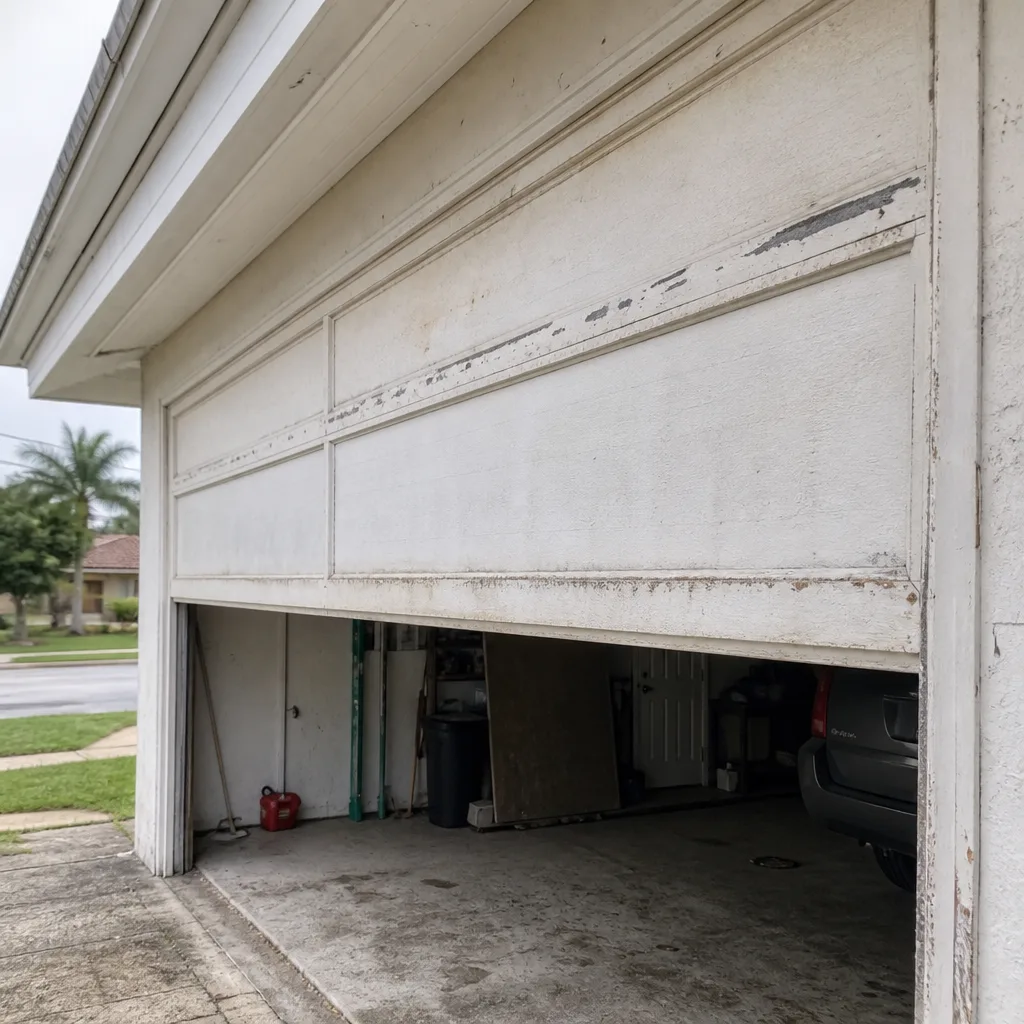 Before
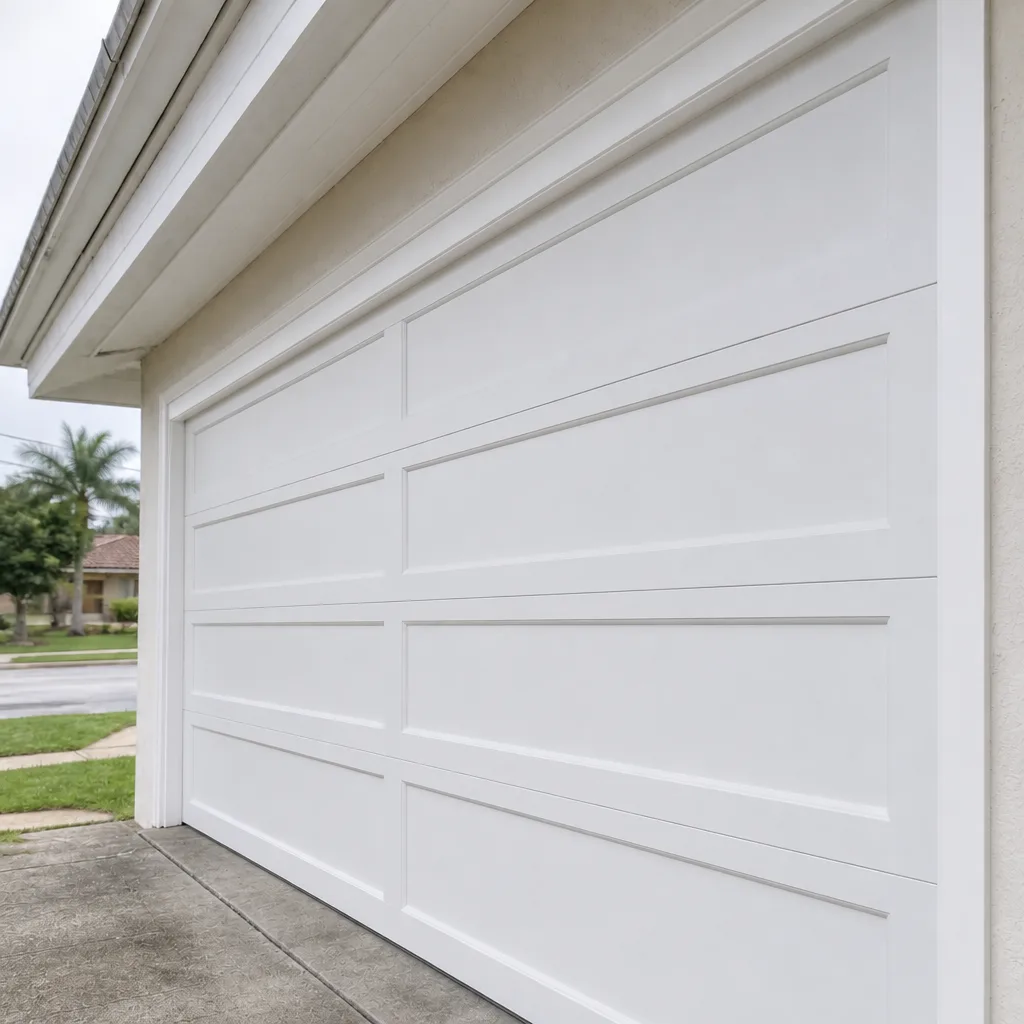 After
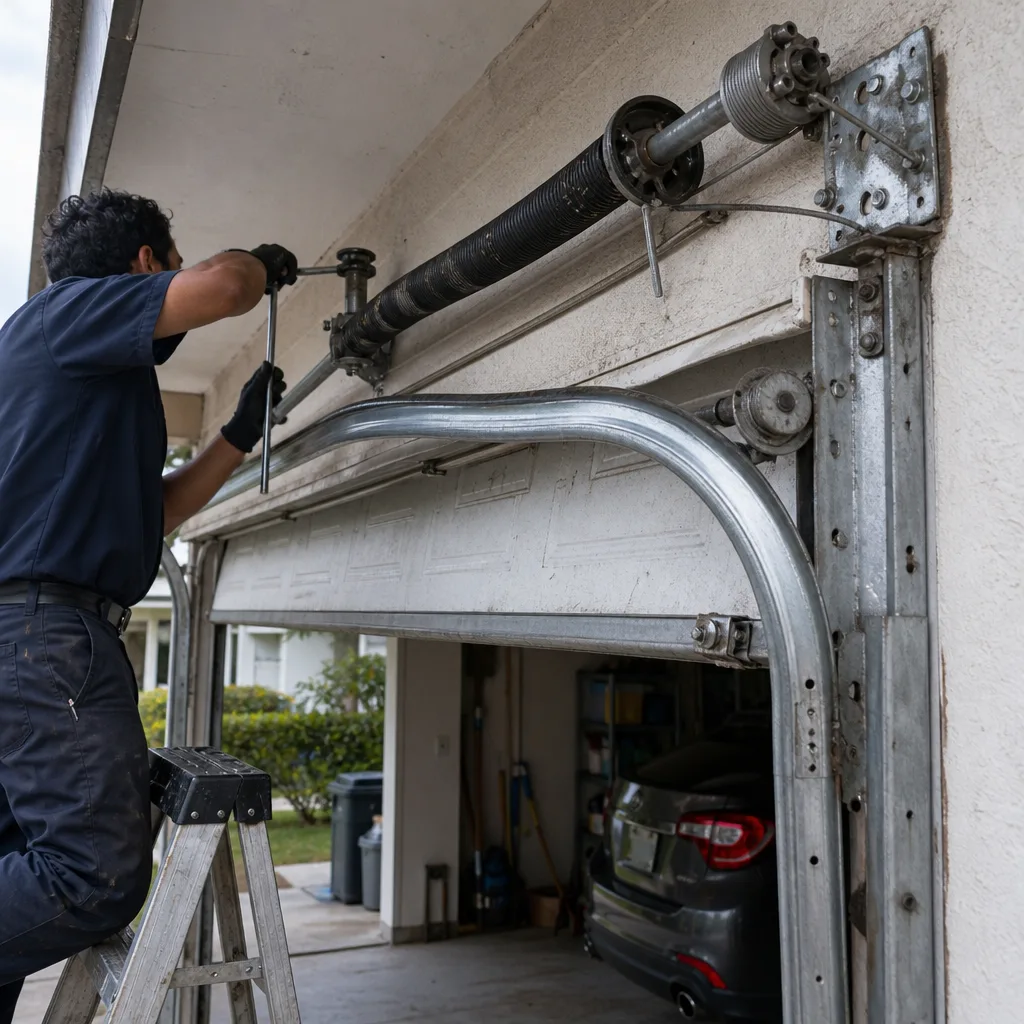 Before
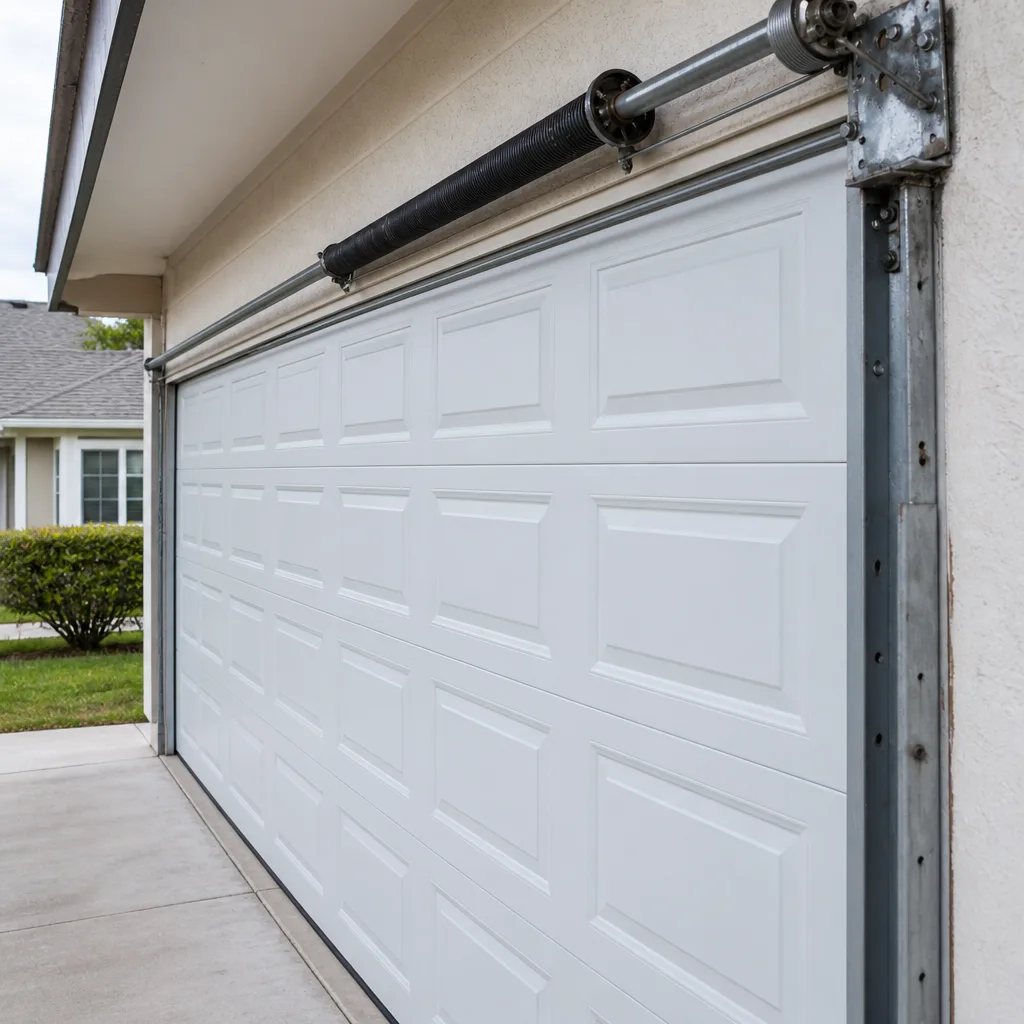 After
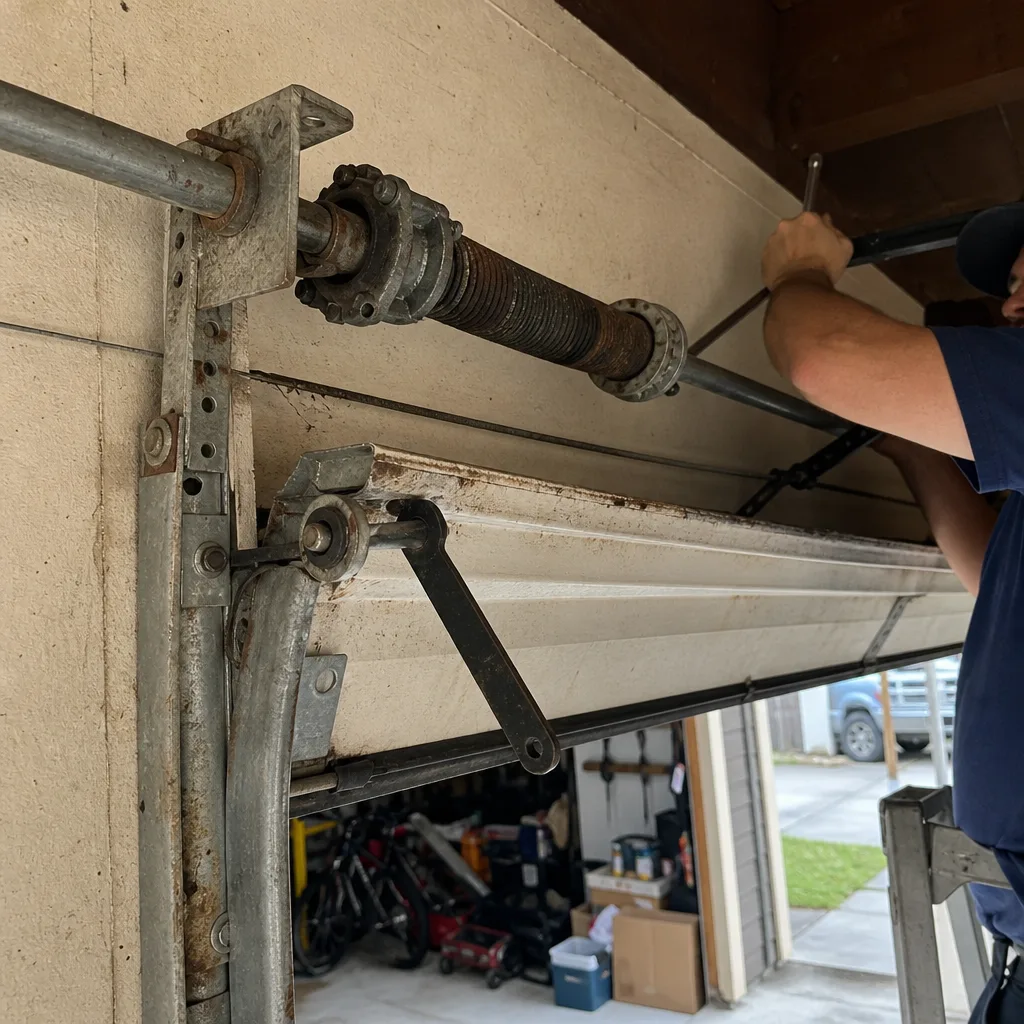 Before
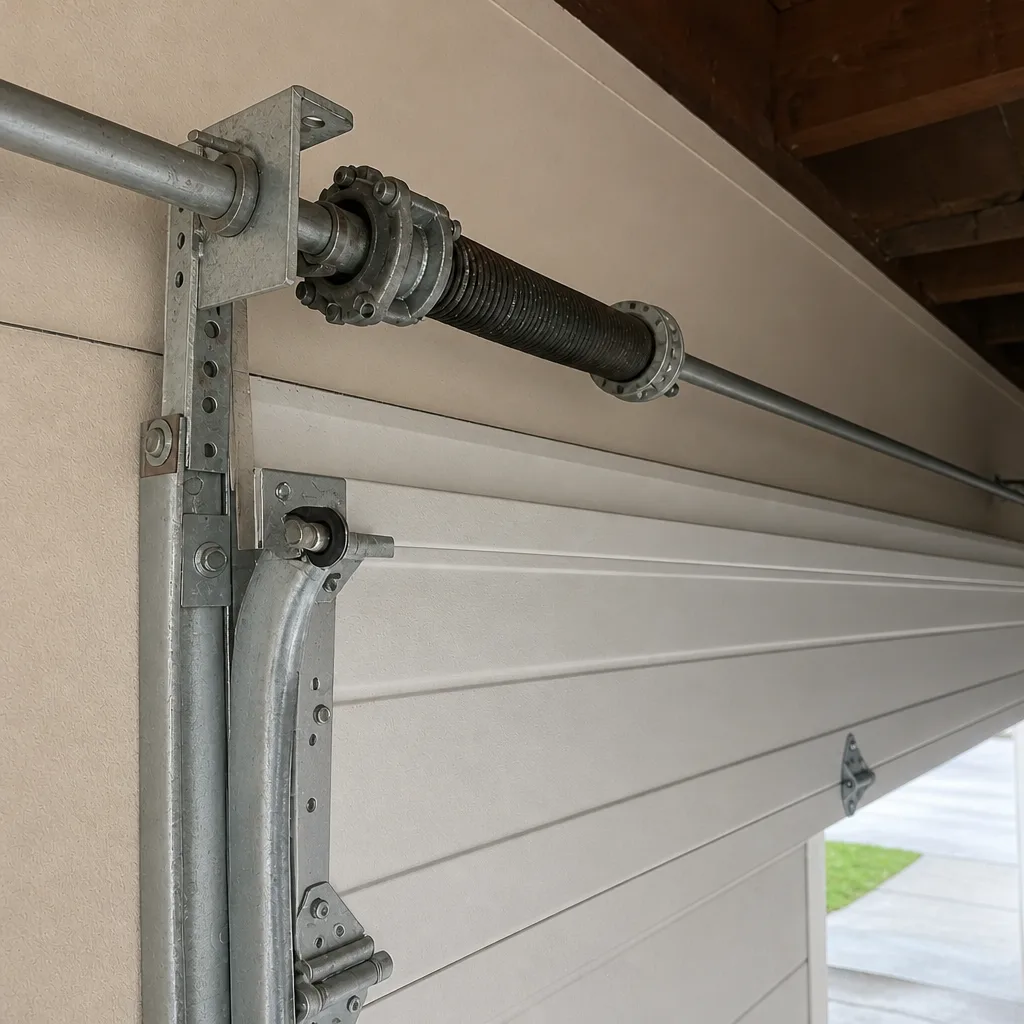 After