
Last updated October 31, 2026
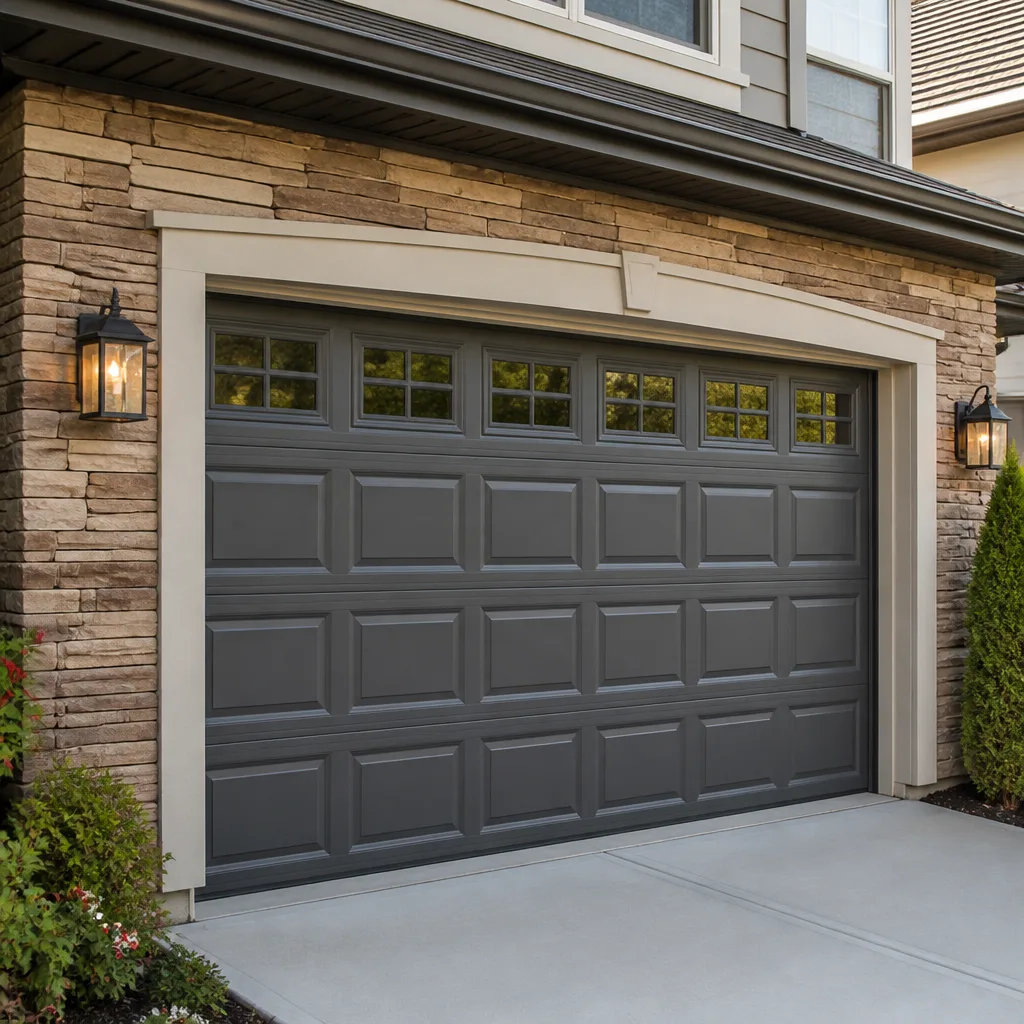 Raised-panel steel
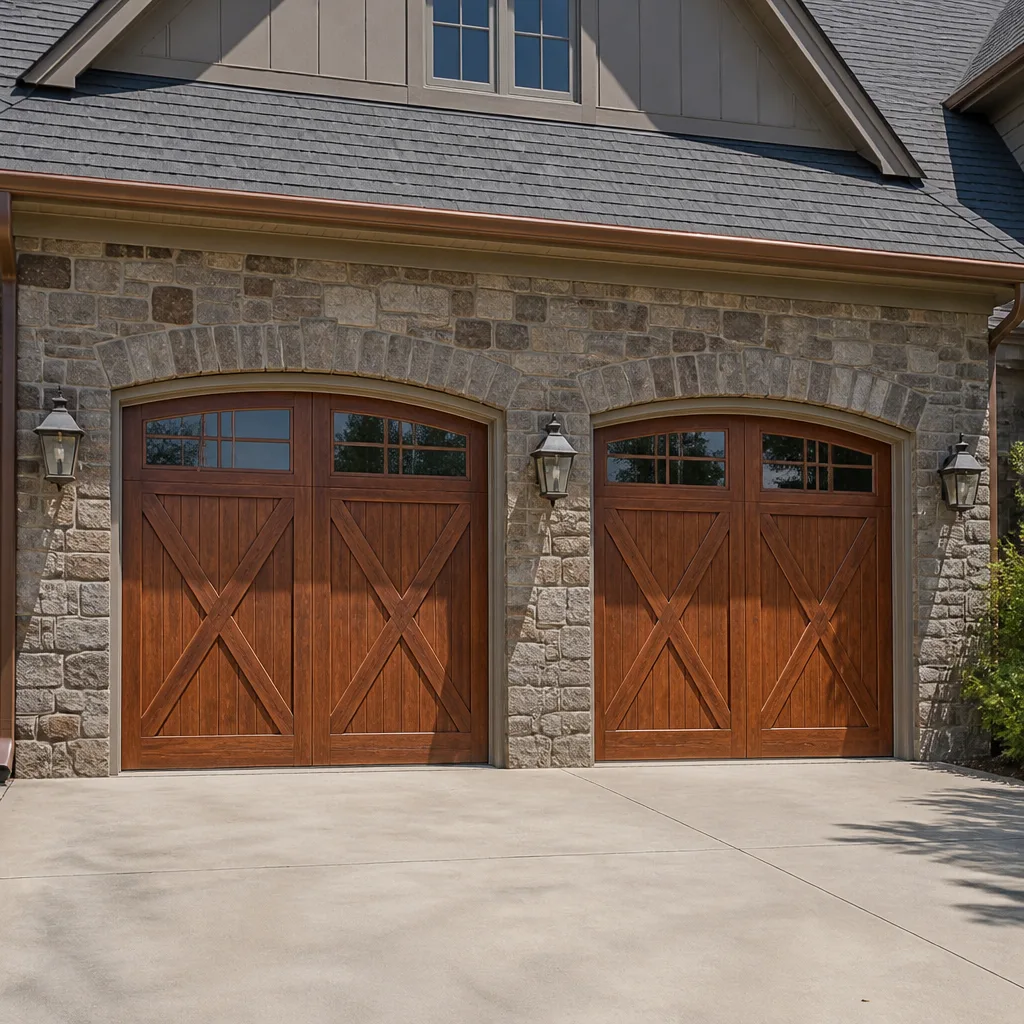 Carriage house
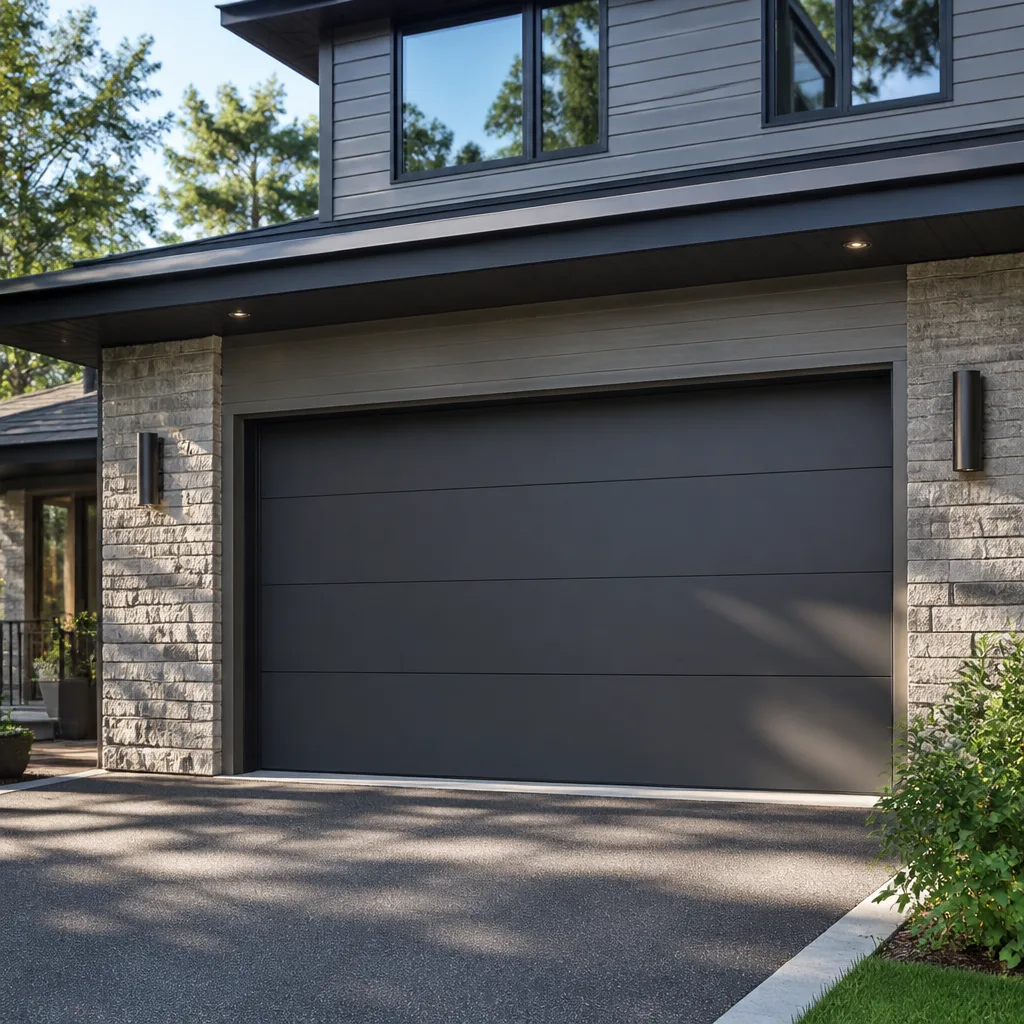 Modern flush
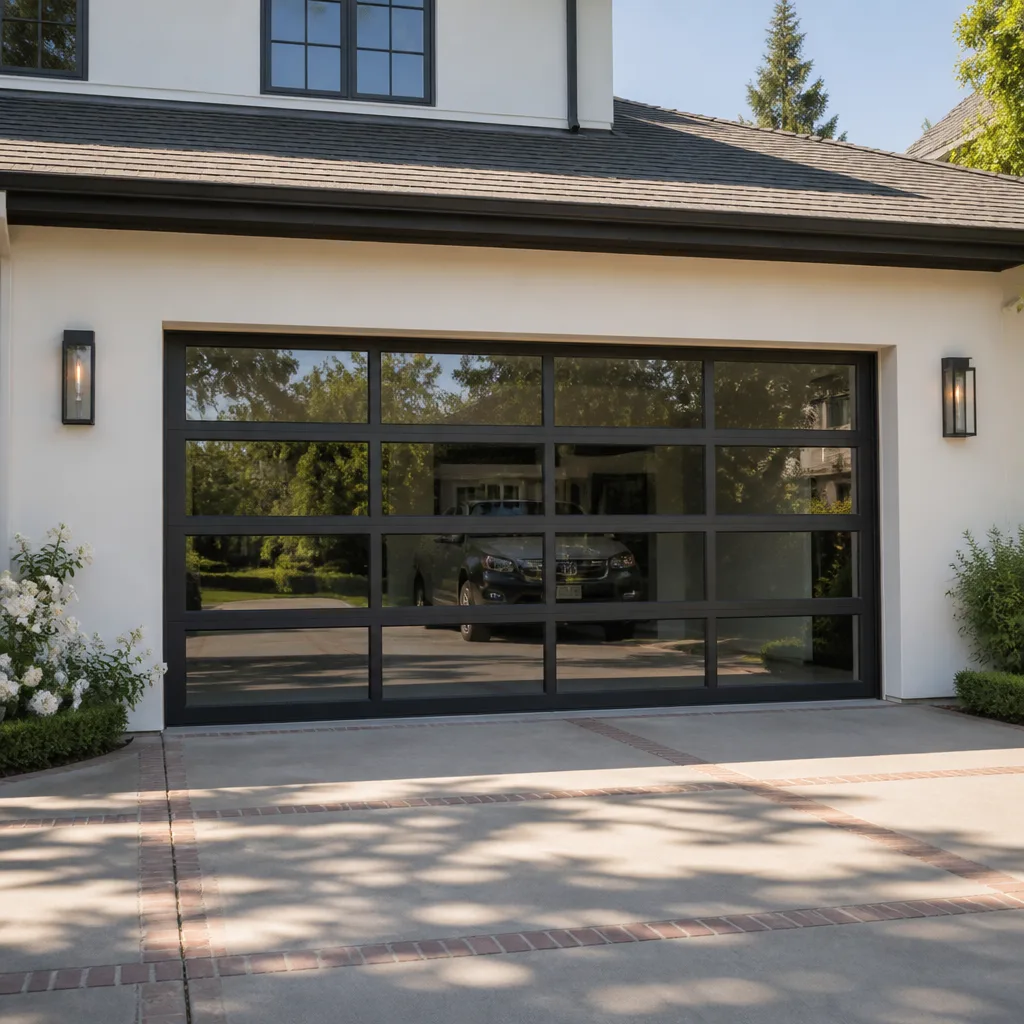 Full-view glass
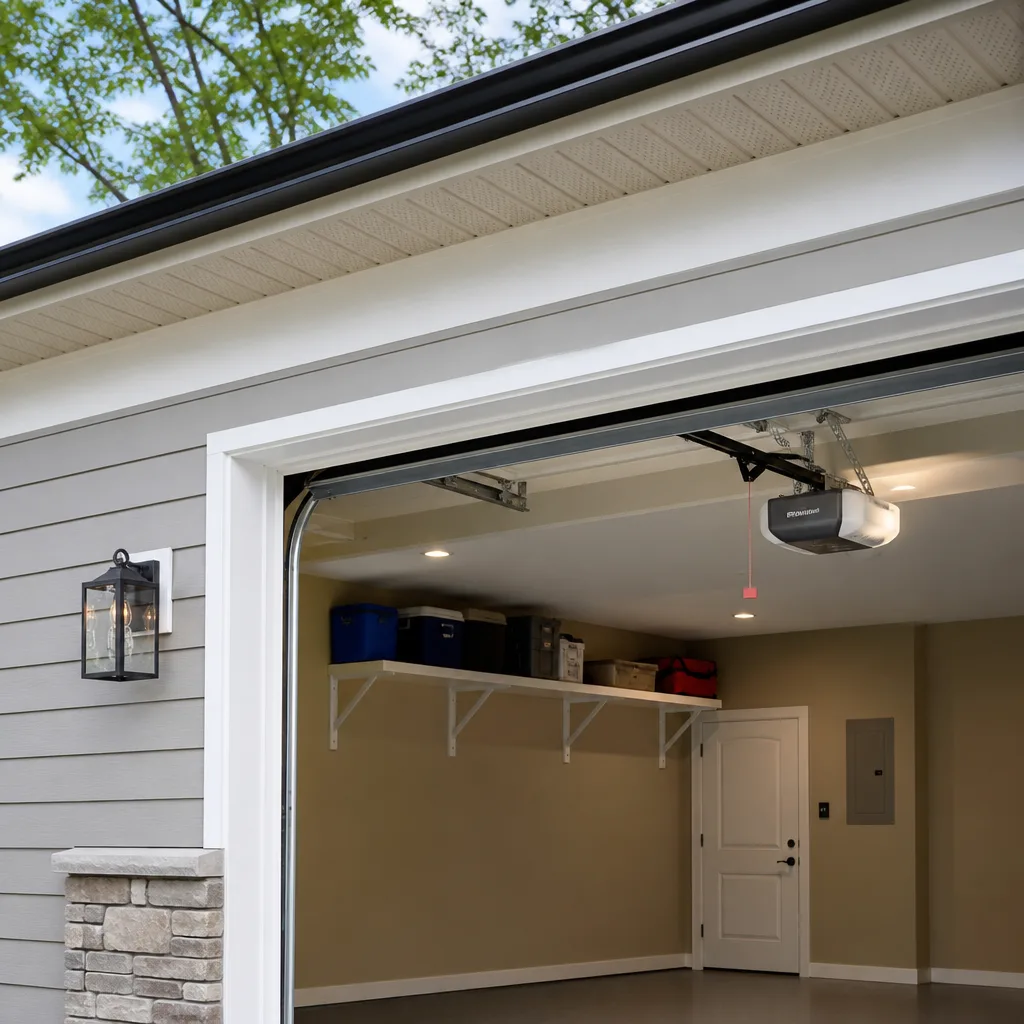 LiftMaster openers
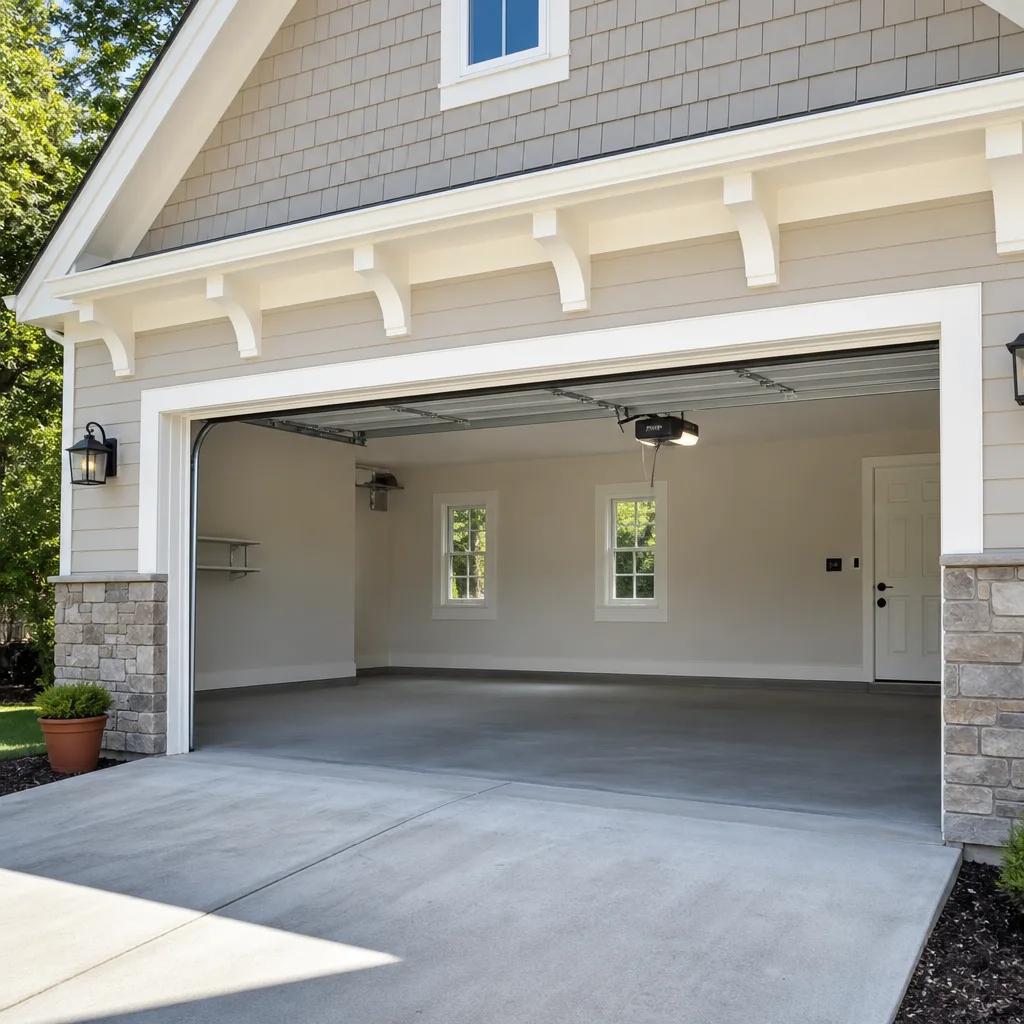 Chamberlain openers
Full 25-point door and opener safety check with every visit - springs, cables, rollers, tracks, and your LiftMaster or Chamberlain opener included
You get a price before we start. It does not change when the truck arrives.
Get your free estimateGarage Door Emergency Preparedness Guide for Fort Lauderdale Homes
After Hurricane Irma, a striking number of Fort Lauderdale homeowners couldn’t get their vehicles out for days. The doors weren’t structurally damaged in many cases. The problem was simpler and more frustrating: the opener had lost power, and the manual release cord, which should have solved everything, was either misunderstood or impossible to operate because the spring tension had shifted during the storm. This guide is built for that reality. We’ll walk through the specific scenarios Fort Lauderdale homes face, from pre-storm lockdown to post-storm assessment, so that when the next named storm arrives, getting in and out of your garage isn’t a battle.
Quick Answer
Garage door emergency preparedness in Fort Lauderdale means knowing how to operate your door manually when the power is out, securing the door before a storm hits, and inspecting it correctly before you use it again after the storm passes. For a deeper dive, see our Garage Door Repair Troubleshooting in Fort Lauderdale: Common Problems and How to Fix Them. The most critical skill is learning your door’s manual release operation before you need it, and understanding when a damaged spring or cable makes manual operation too dangerous to attempt. If you’ve never tested your emergency release, do it this weekend.
Styles & brands we work with
- Raised-panel steel
- Carriage house
- Modern flush
- Full-view glass
- LiftMaster openers
- Chamberlain openers
Table of Contents
- How the Manual Release Actually Works (and What Most Guides Get Wrong)
- Battery Backup Openers in Fort Lauderdale Humidity
- Pre-Storm Lockdown: The Checklist That Prevents Storm Damage
- What to Do If Your Door Is Damaged During the Storm
- Post-Storm Assessment: What to Check Before You Touch That Button
- Emergency Contact Triage: Same-Day Danger vs. Waiting Out the Backlog
- Wind-Rating and Fort Lauderdale Code: What Your Door Actually Needs
- Common Mistakes to Avoid
- When to Call a Professional
- Frequently Asked Questions
How the Manual Release Actually Works (and What Most Guides Get Wrong)
The manual release is a red cord, usually with a plastic handle, hanging from a trolley mechanism on the opener rail. Pulling it disconnects the door from the motorized carriage so you can lift the door by hand. That’s the version every preparedness article covers. What most don’t cover is that a garage door is not designed to be lifted manually under normal conditions without spring assistance. The springs carry nearly all of the door’s weight. If your springs are intact, you should be able to lift the door with one hand. If you can’t, something is wrong, and forcing it is how people get hurt.
In Fort Lauderdale, we regularly see doors where the spring tension has shifted after high winds or years of humidity-driven corrosion. The door looks fine, but when the power goes out and a homeowner pulls the release cord, they find the door weighs two hundred pounds more than it should. Here’s the sequence to follow:
- Confirm the door is fully closed. Never pull the release cord when the door is open. A disconnected opener on an open door can allow the door to slam down. If the door is open, wait for it to close, or brace it before pulling the cord.
- Check the springs visually. A torsion spring above the door should have no visible gaps. An extension spring along the side should be in one piece, not two. If you see a gap or separation, the spring is broken. Do not pull the release cord. Do not try to lift the door.
- Pull the cord straight down. It should disconnect with a firm tug. You’ll hear a click as the trolley releases from the carriage.
- Lift the door slowly to waist height. If it feels heavy or won’t stay up on its own, lower it gently and stop. This is the danger signal.
- When the door is at waist height, test that it stays. A properly balanced door stays in place at mid-travel. If it starts falling, the springs are not carrying the load the way they should.
Here’s the safety point we can’t skip: a door with a broken spring or damaged cable is dangerous to operate manually. The spring system is under enormous tension. A door falling under its own weight can cause severe injury. If your manual lift test fails, or if you see a broken spring or a frayed cable, do not attempt to force the door. Close it fully if you can, lock it if possible, and call a professional. This is exactly why our Fort Lauderdale Garage Door Repair home page exists with detailed service information for scenarios like these.
Battery Backup Openers in Fort Lauderdale Humidity
A battery backup opener is the single most effective preparedness upgrade for Fort Lauderdale homeowners. Since Hurricane Irma, building code in much of Florida has required battery backup on new garage door openers, but many existing homes still have openers that go dead the moment power cuts out. If your opener was installed before 2017, it probably has no backup capability at all.
Here’s what we tell homeowners about battery backups in this climate: humidity is the real concern. Fort Lauderdale’s garage environments are hot and damp for most of the year. Cheap backup batteries degrade quickly in those conditions. A good backup system uses a sealed lead-acid or lithium battery rated for high-temperature operation. Look for openers from LiftMaster or Chamberlain with their integrated backup batteries, or retrofit kits from Genie that mount to the opener unit itself. These are sealed units built to handle the moisture a coastal Florida garage throws at them.
On runtime: a battery backup does not give you unlimited operation. Most backup systems are rated for roughly 20 to 50 open-close cycles over a 24-hour period, depending on the model. That’s enough for an evacuation day, not a week-long outage. The battery is there to get your car out, get it back in, and repeat a few times, not to run your automatic door normally. When the power is out for days after a storm, treat the battery as a limited resource. Operate the door manually when you can, and save the battery cycles for when you’re actually leaving or returning with the car.
For installation: a battery backup typically replaces or augments the opener’s power supply. Most retrofit kits from LiftMaster and Chamberlain install onto the existing motor unit in about 30 minutes. If you have an older rail system, some brands are easier to retrofit than others. More recent LiftMaster and Chamberlain openers have plug-and-play battery ports. Older Craftsman and Genie units may require a separate wiring kit. The openers we install the most in Fort Lauderdale are LiftMaster and Chamberlain, because their backup integration is the simplest and most reliable in high-humidity environments.
Pre-Storm Lockdown: The Checklist That Prevents Storm Damage
When a hurricane warning is issued for Fort Lauderdale, most homeowners focus on windows, water, and evacuation routes. The garage door usually gets a quick glance at best. But the garage door is the single largest wall opening in most Florida homes. If it fails, wind pressure enters the garage and can lift the roof. Here’s the lockdown protocol we recommend before any named storm:
- Test the door one last time. Open and close it fully once. Listen for grinding, popping, or uneven movement. Fix it now or leave it closed and locked.
- Disconnect the opener. Pull the manual release cord. Once released, the opener motor cannot be caught trying to operate during a power surge or brownout that could damage the circuit board.
- Engage the slide lock. Most garage doors have a manual slide lock on the inside track, about waist height. Slide the bolt into the track to physically secure the door. This is especially important if your opener is disconnected.
- Verify the door is wind-rated. Look for a label on the inside of the door panel, usually near the bottom or side. A wind-rated door will show a design pressure rating in pounds per square foot (psf). Fort Lauderdale is in the High Velocity Hurricane Zone, which requires higher wind ratings than most of the country. If you don’t have a wind-rated door, your storm preparation priority should be upgrading before the next season.
- Clear the area around the door. Move cars, bikes, and tools away from the door track. During a storm, wind-driven debris can strike the door, and anything in the track’s path creates a jam risk or a projectile risk if the door is damaged.
One more note on disconnecting the opener: we’ve seen homeowners in Fort Lauderdale leave the opener connected through a storm and then discover, when the power flickers back on, that a surge has fried the logic board. The opener tried to operate while the door was locked, and the motor burned out. Disconnecting the opener is a free insurance policy against a repair bill you can’t afford to deal with during storm recovery.
What to Do If Your Door Is Damaged During the Storm
If your garage door takes a hit during a storm, whether from debris, wind pressure, or water, your immediate priority is safety, not assessment. Most Fort Lauderdale homes do not have a secondary garage access door. If the power is out and the door won’t open, the car stays put until conditions calm down.
Here’s the sequence for storm-time damage:
If the door is banging or shaking: This is wind pressure pressing against a door that isn’t properly locked or reinforced. Do not approach the door during the storm. A bowing door can fail suddenly, and the pressure difference can throw debris through the opening. Wait for the storm to pass.
If you see water coming under the door: This happens in Fort Lauderdale even with a good bottom seal, simply because of how much rain a hurricane drops. A wet garage floor is not an emergency, but if water is entering fast enough to pool deeply, do not walk through it if the opener is still connected to power. Water and electricity don’t mix. Shut the breaker for the garage circuit before entering the garage during flooding.
If the door is partially open and won’t move: This is the worst-case scenario during a storm. A partially open door lets wind pressure enter the garage and can rip the door off its tracks. If the door is stuck partially open during the active storm, your options are limited. Do not try to force it closed. If you can safely reach the slide lock, lock whatever is locking. The goal is to prevent the door from moving further. If the door is too damaged to secure, move anything important out of the garage and stay out of the space until the storm is over.
Realistically, storm-time garage door work is rare. The tools and conditions needed to safely repair a door in high winds are almost never available mid-storm. Our advice to Fort Lauderdale homeowners is simple: prepare the door before the storm so you don’t have to deal with it during one.
Post-Storm Assessment: What to Check Before You Touch That Button
After the storm passes and power returns, most people’s instinct is to hit the opener button and see if the door still works. That instinct is exactly what gets homeowners into trouble. A door that went through a named storm needs a visual inspection first, especially in Fort Lauderdale where wind gusts can reach well over 100 mph even in a Category 2 storm. Our Garage Door Repair Maintenance Checklist for Fort Lauderdale Homeowners covers what to look for.
Here’s the post-storm visual check, in order:
- Look at the bottom seal. If the rubber seal is torn, displaced, or missing chunks, water has been getting in during the storm. A damaged seal is not urgent, but it will let water in every time it rains and should be replaced soon.
- Check the track alignment. Stand inside the garage and look at the vertical track on both sides. The track should be perfectly vertical and straight. Wind pressure can bow a track outward by a few degrees, which is enough to make the door bind or fall off the track.
- Inspect the springs. Look for a gap in the torsion spring above the door or a visibly stretched or separated extension spring. A broken spring is the most common post-storm door injury and the most dangerous to operate around.
- Check the cables. The cables along the sides should be taut and in their drum grooves. If a cable is frayed or has come off the drum, the door should not be operated until it is repaired.
- Test the door manually first. Pull the release cord, try to lift the door by hand. If it feels heavier than normal or doesn’t stay up, stop. The springs or cables have been affected.
Only after all five of these checks pass should you reconnect the opener and test the motor. Reconnect by running the opener until the trolley re-engages with the carriage, or by pulling the release cord in the opposite direction, depending on your model.
In our experience, the most common post-storm damage we see in Fort Lauderdale is bent bottom panels from wind-driven debris and shifted track alignment from pressure flexing. Neither of these looks dramatic, but both will cause premature wear and eventual failure if left unattended. The cheapest repair is always the one made before a worn part breaks.
Emergency Contact Triage: Same-Day Danger vs. Waiting Out the Backlog
After a hurricane, every garage door company in South Florida backs up for weeks. Here’s how to determine whether your repair is urgent or whether you can safely wait for pricing and availability to normalize.
Same-day safety issues (call immediately):
- The door will not lock or secure. An unsecured garage door is an open invitation to looting, and in the aftermath of a storm, that risk is real.
- The door is off its track or hanging at an angle. This is a structural hazard that can fall at any time.
- A spring is broken. The door cannot be operated safely, and if it’s your only way to get a car out, you’re effectively trapped.
- The door fell on a vehicle or person. This gets immediate priority regardless of backlog.
Non-urgent issues (wait a few days or weeks):
- A torn bottom seal. Water entry is a nuisance, not an emergency.
- A cosmetic dent in a panel. As long as the door operates, a dent can wait.
- A slow opener or a remote that needs reprogramming. Annoying but not dangerous.
- Slight track misalignment that still allows normal operation. It should be addressed, but it can hold for a week or two.
The triage rule: if you can secure the door and operate it safely, the problem can wait. If you cannot secure the door or you don’t feel safe operating it, that’s a same-day call. Fort Lauderdale Garage Door Repair prioritizes storm-related safety calls, especially for residents in areas like Palm Aire where post-storm damage patterns tend to cluster.
Wind-Rating and Fort Lauderdale Code: What Your Door Actually Needs
Fort Lauderdale sits in the High Velocity Hurricane Zone, a designation that requires garage doors to meet specific wind-load standards. For details on compliance, read Garage Door Permits, Codes & Inspections in Fort Lauderdale, FL: What You Need to Know. If your garage door was installed before the 2001 Florida Building Code, there’s a good chance it doesn’t meet current wind standards. That matters for two reasons: safety and insurance. A non-compliant door can fail under hurricane winds, and in some cases, insurers have denied roof damage claims because the garage door failure allowed wind pressure to enter the structure.
Here’s what to look for on your existing door:
- Design pressure rating label: Usually a metal or sticker label inside the door panel with a psf number. Fort Lauderdale typically requires ratings of 50 psf or higher, depending on the structure’s height and exposure.
- Reinforced struts: Wind-rated doors have additional horizontal bracing on the inside of each panel. If your door panels are completely flat from behind, they likely lack storm reinforcement.
- Approved tracks and hardware: Wind-rated doors use thicker track steel and heavier gauge anchors. This is difficult to assess visually, but a door that rattles loosely in its track during moderate winds is a telltale sign of non-reinforced hardware.
If your door is more than 20 years old or was installed without a building permit, consider a replacement before the next hurricane season. Modern wind-rated doors from Amarr and Wayne Dalton are engineered for South Florida’s wind loads and are available in styles that match nearly any home design. A full replacement is a significant investment, but it’s also the most reliable way to know your garage door won’t fail when a named storm makes landfall. The same team that can repair your opener can handle the replacement, which means no need to re-shop for a different contractor when the time comes. Check out our Garage Door Installation in Palm Aire page for details on replacement options.
Common Mistakes to Avoid
- Pulling the release cord with the door open. This is the single most common and most dangerous mistake we see. A disconnected opener with the door up means the door can fall without warning. Always close the door first.
- Operating a door with a visibly broken spring. A broken spring means the door weighs hundreds of pounds more than it should. Trying to lift it manually or run the opener anyway is how people get seriously hurt. Stop and call.
- Leaving the opener connected during a storm. Power surges and brownouts during hurricanes can fry opener circuit boards. Disconnect the opener before the storm to protect it.
- Testing the opener before inspecting the door after a storm. If the track shifted or the springs broke during the storm, running the opener can compound the damage and make a repair more expensive.
- Ignoring a damaged bottom seal. Fort Lauderdale rainstorms don’t stop after hurricane season ends. A torn seal lets water in year-round and accelerates rust on track hardware.
- Assuming an old door is wind-rated because a previous owner said so. If there’s no label on the door, treat it as unrated and plan for replacement. The insurance risk alone is worth the upgrade.
- Letting a post-storm opener problem linger because the door works manually. A dead opener circuit board often takes out other components if not addressed. If your opener failed during a power event and won’t come back, call a specialist rather than waiting for the next outage to find out the problem spread.
When to Call a Professional
If your post-storm inspection reveals a broken spring, a frayed cable, a door off its track, or an opener that won’t respond to power, those are professional repair scenarios. Springs and cables are under extreme tension and require specific tools and training to service safely. An off-track door can fall without warning. Opener circuit board failures need diagnostic equipment, not guesswork. The same goes for any door you can’t secure or any repair you don’t feel confident doing to code.
Fort Lauderdale Garage Door Repair offers free estimates in Fort Lauderdale for storm damage and all other garage door issues. Call (855) 382-3858 for a free estimate, and we’ll tell you straight whether repair or replacement makes more sense for your door and your budget.
Frequently Asked Questions
Post-storm garage door repairs in Fort Lauderdale typically range from $150 for a simple bottom seal replacement to $600 – $900 for a spring replacement or realignment, depending on the door type and extent of damage. After a major storm, pricing can spike temporarily due to demand. Call (855) 382-3858 for an exact quote, and we’ll give you the range before any work starts.
Storm-related safety calls are prioritized ahead of non-urgent repairs. If your door won’t secure or has come off its track, we’ll make room for you even during a busy post-storm period. For non-urgent issues like a dented panel or a slow opener, we’ll schedule you as quickly as possible once the backlog clears.
No. The price we quote before coming out is the price you pay, unless the damage extends into something we couldn’t see from the photos or your description. If we find additional issues, we’ll show you and get your approval before doing anything beyond the original quote.
Yes. We work with wind-rated doors from Amarr and Wayne Dalton that meet the High Velocity Hurricane Zone requirements for Fort Lauderdale. We’ll match the door to your home’s design and the wind loads your structure requires.
We work on eight major garage door and opener brands: LiftMaster, Chamberlain, Genie, Clopay, Amarr, Wayne Dalton, Craftsman, and Raynor. That covers the vast majority of systems installed in Fort Lauderdale. If your opener falls outside those brands, call us and we’ll let you know honestly whether we can help.
Yes. Fort Lauderdale’s hurricane season makes power outages a near certainty at some point in any given year, and a battery backup is the difference between getting your car out or being trapped in your own garage. The backup doesn’t give you unlimited cycles, but it gives you enough to evacuate and return safely during the critical window.
The Bottom Line
Garage door emergencies in Fort Lauderdale rarely happen on schedule, and the worst ones always seem to come during a power outage when the door won’t move and the storm is still rattling the panels. The homeowner who tests their manual release today, disconnects their opener before the storm, and inspects their door before touching the button afterward is the homeowner who gets through hurricane season without a garage door on the disaster list. Learn your door before you need it. Know when the springs make manual operation too dangerous to try. And when damage happens, call a specialist who does garage doors and nothing else. Call Fort Lauderdale Garage Door Repair at (855) 382-3858 for a free estimate, or to schedule a pre-storm inspection before the next system forms in the Atlantic.
Written by the team at Fort Lauderdale Garage Door Repair, serving Fort Lauderdale since 2018.
See the difference
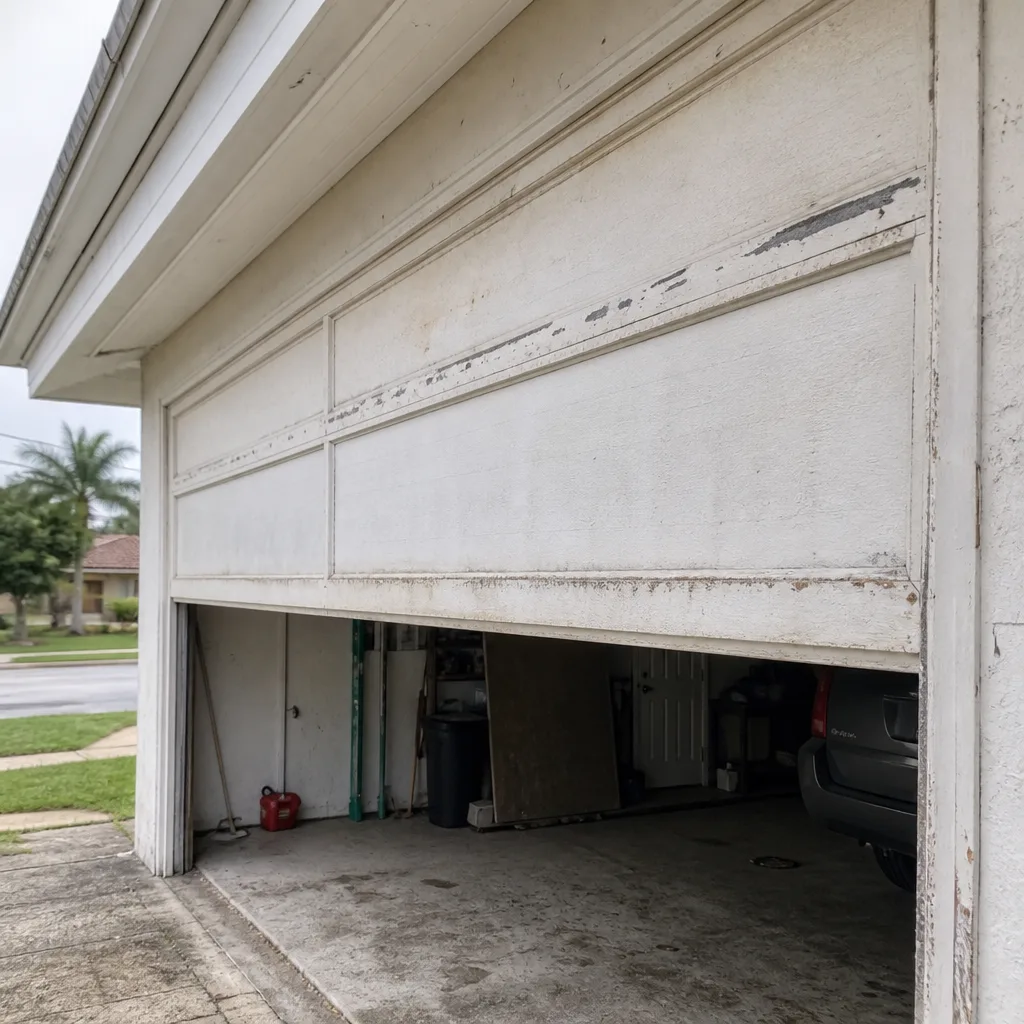 Before
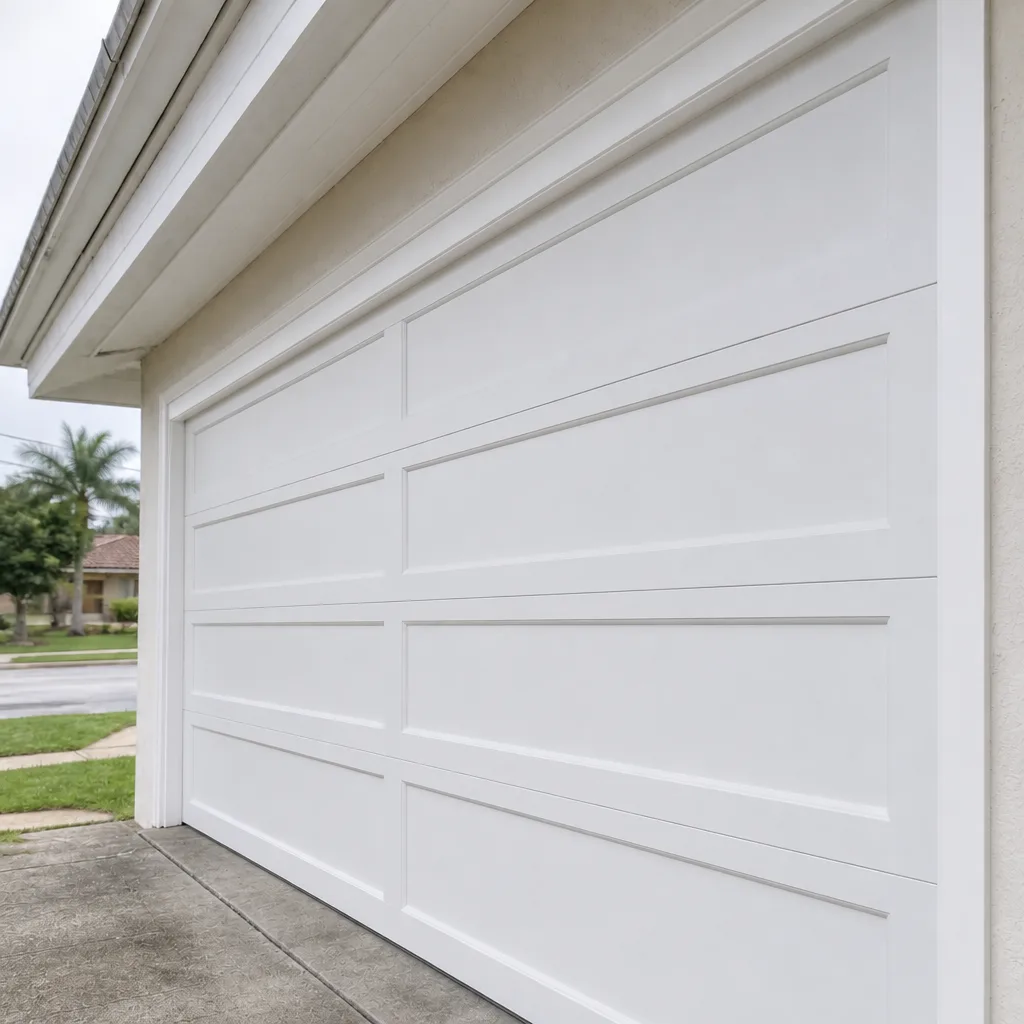 After
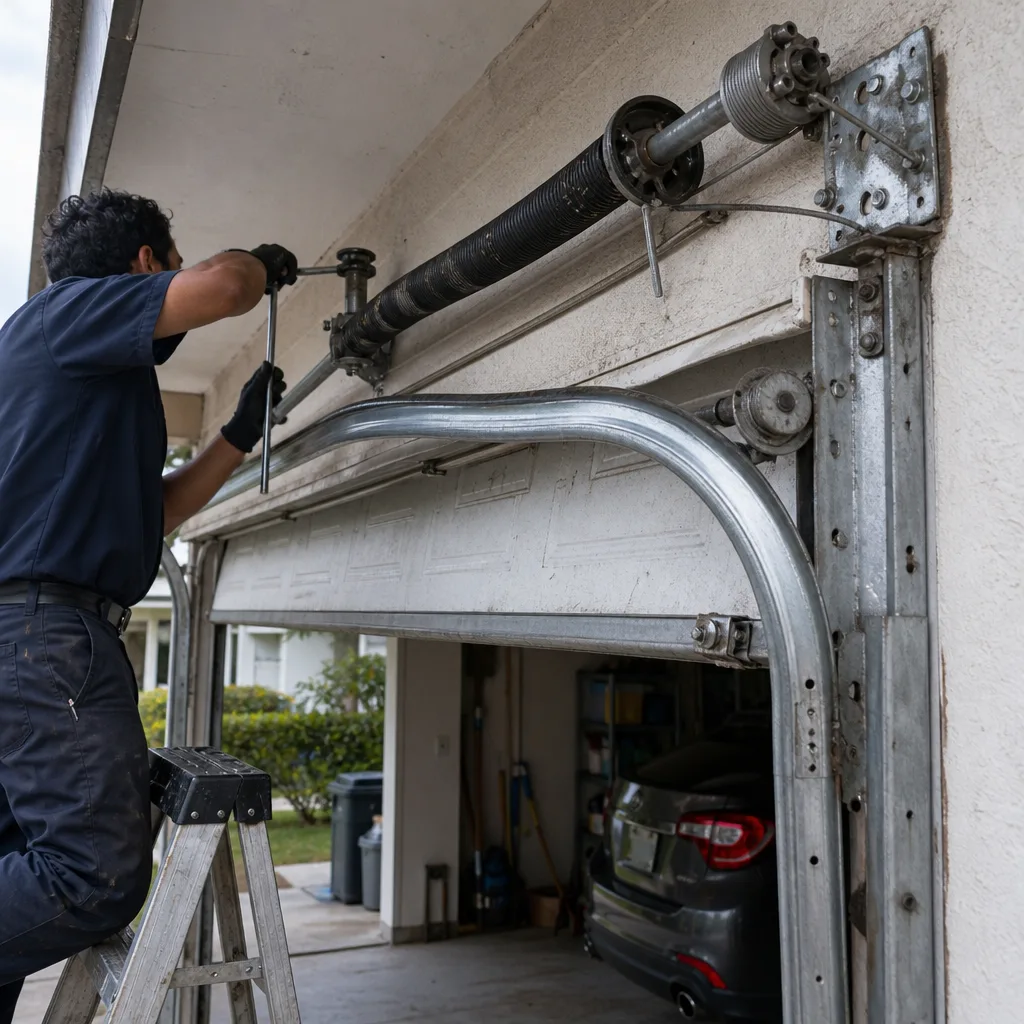 Before
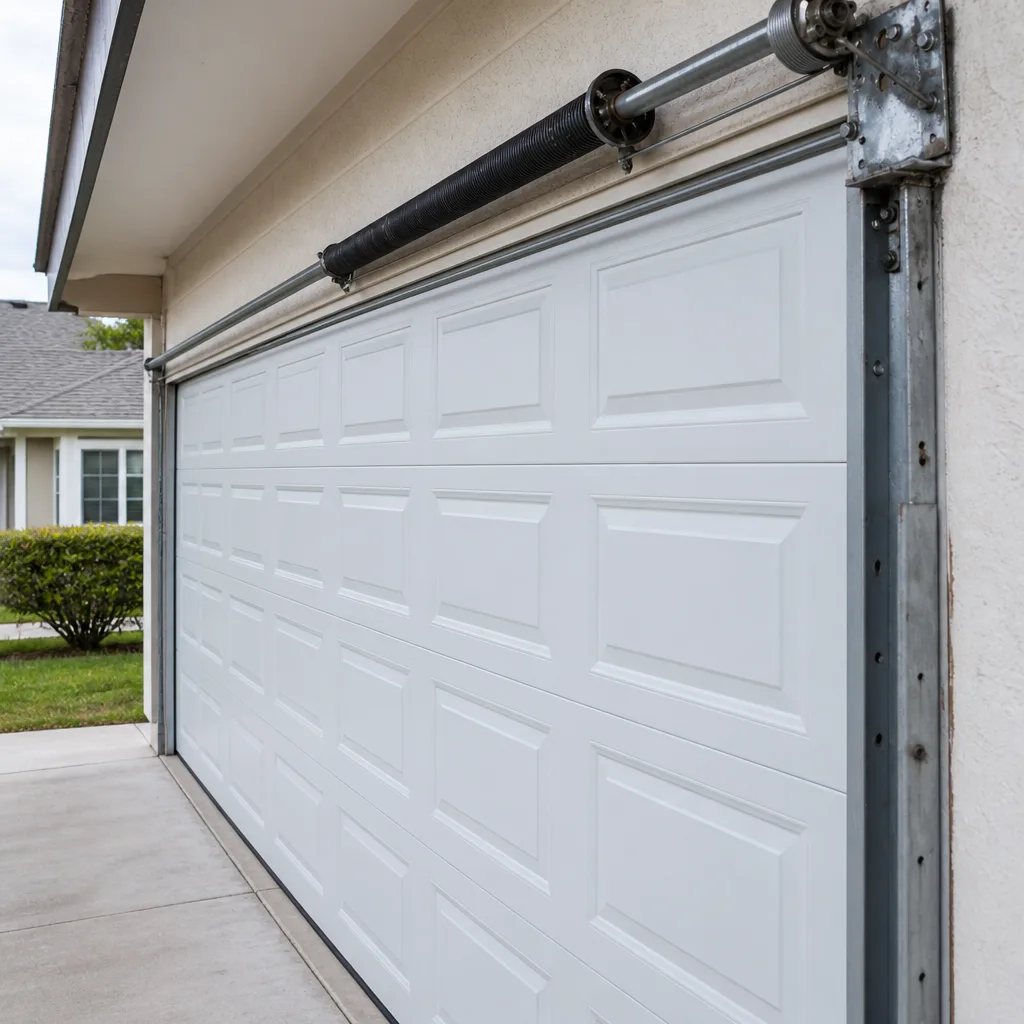 After
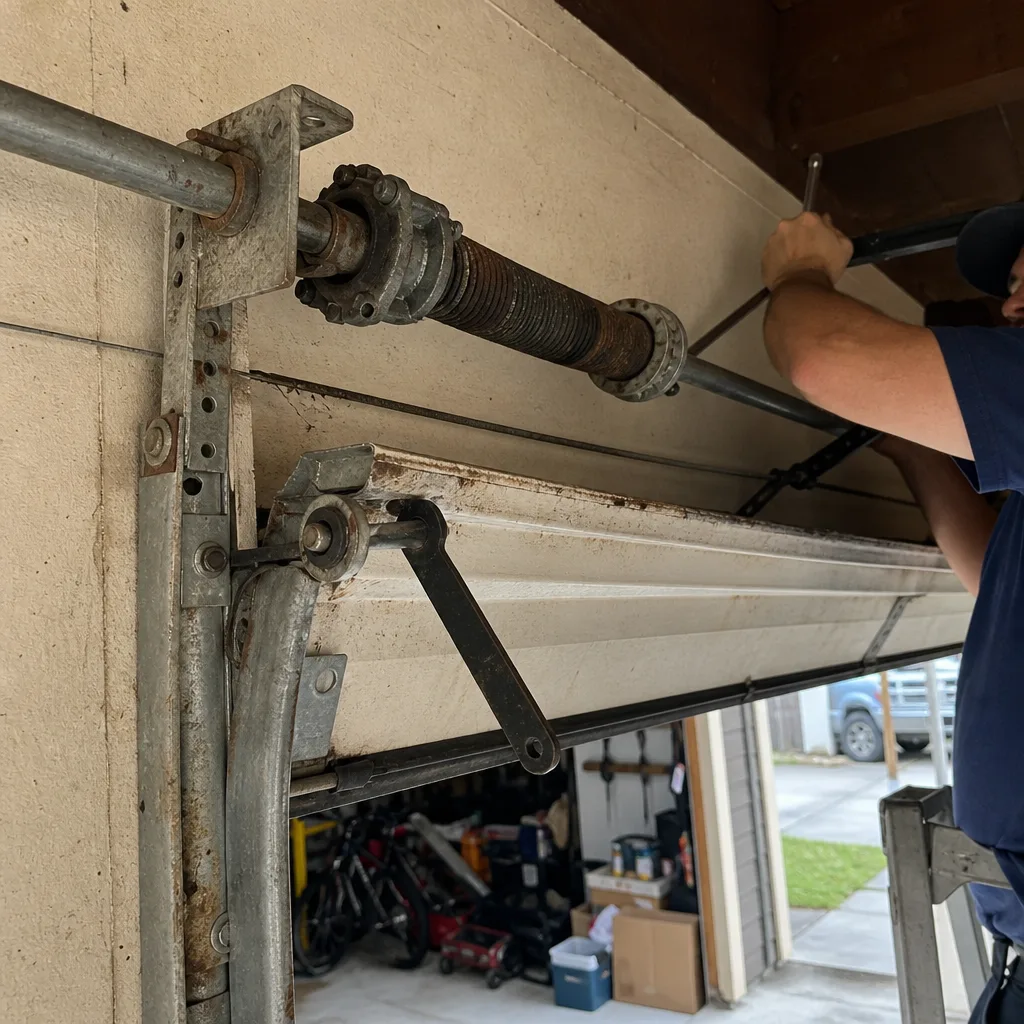 Before
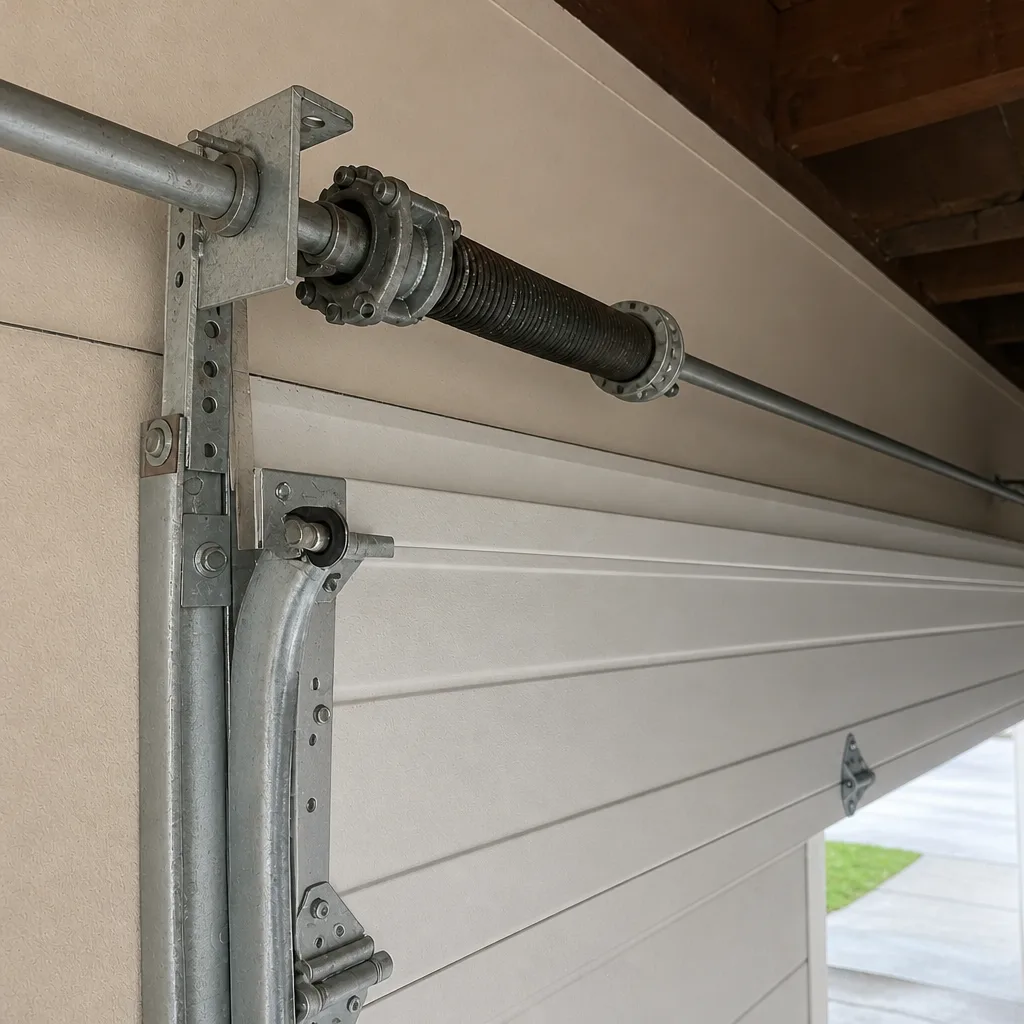 After