
Last updated October 31, 2026
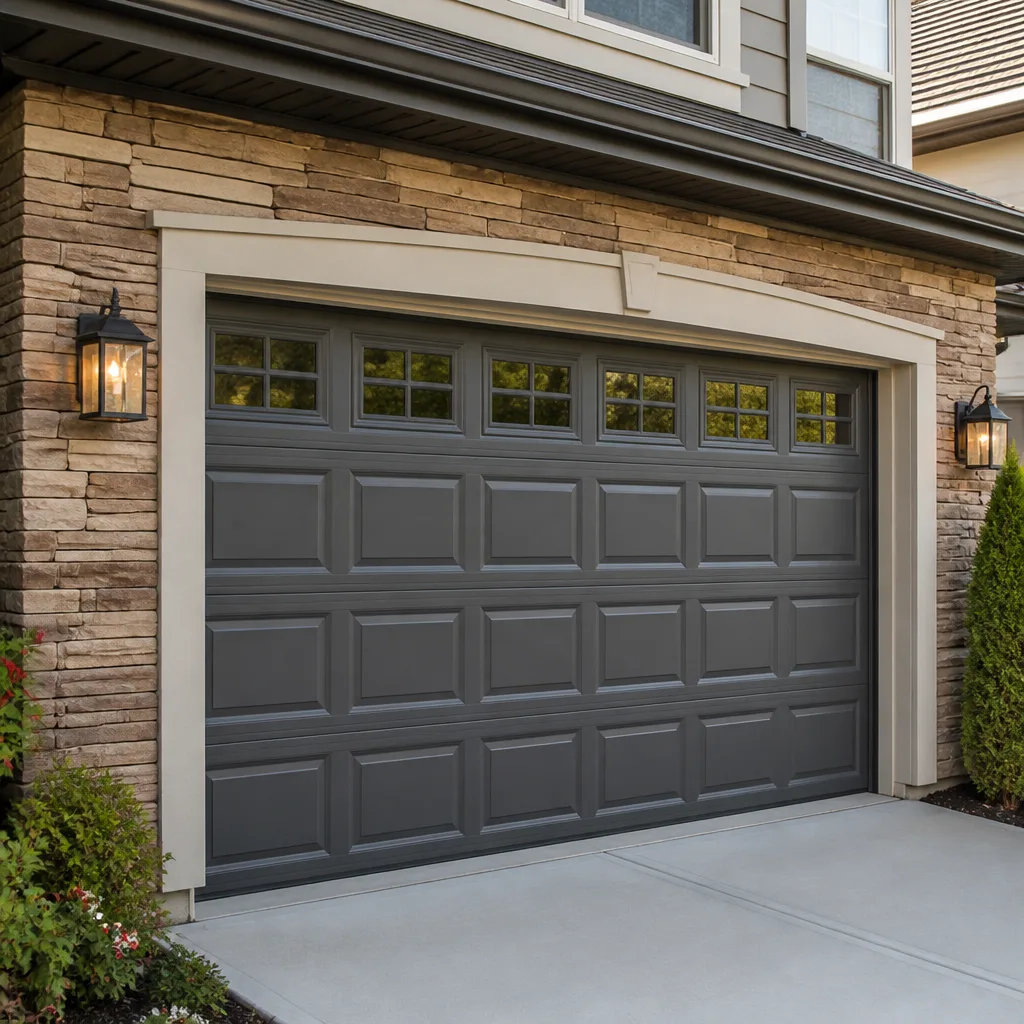 Raised-panel steel
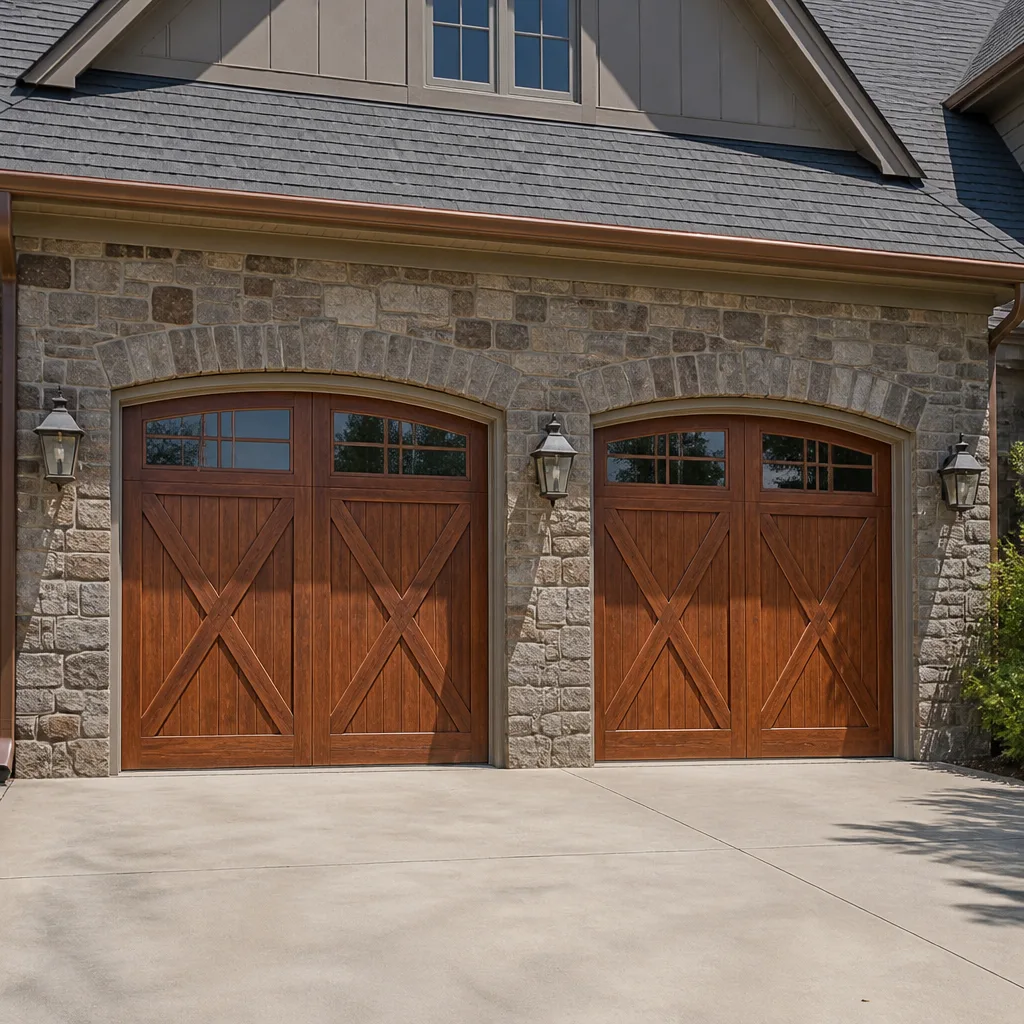 Carriage house
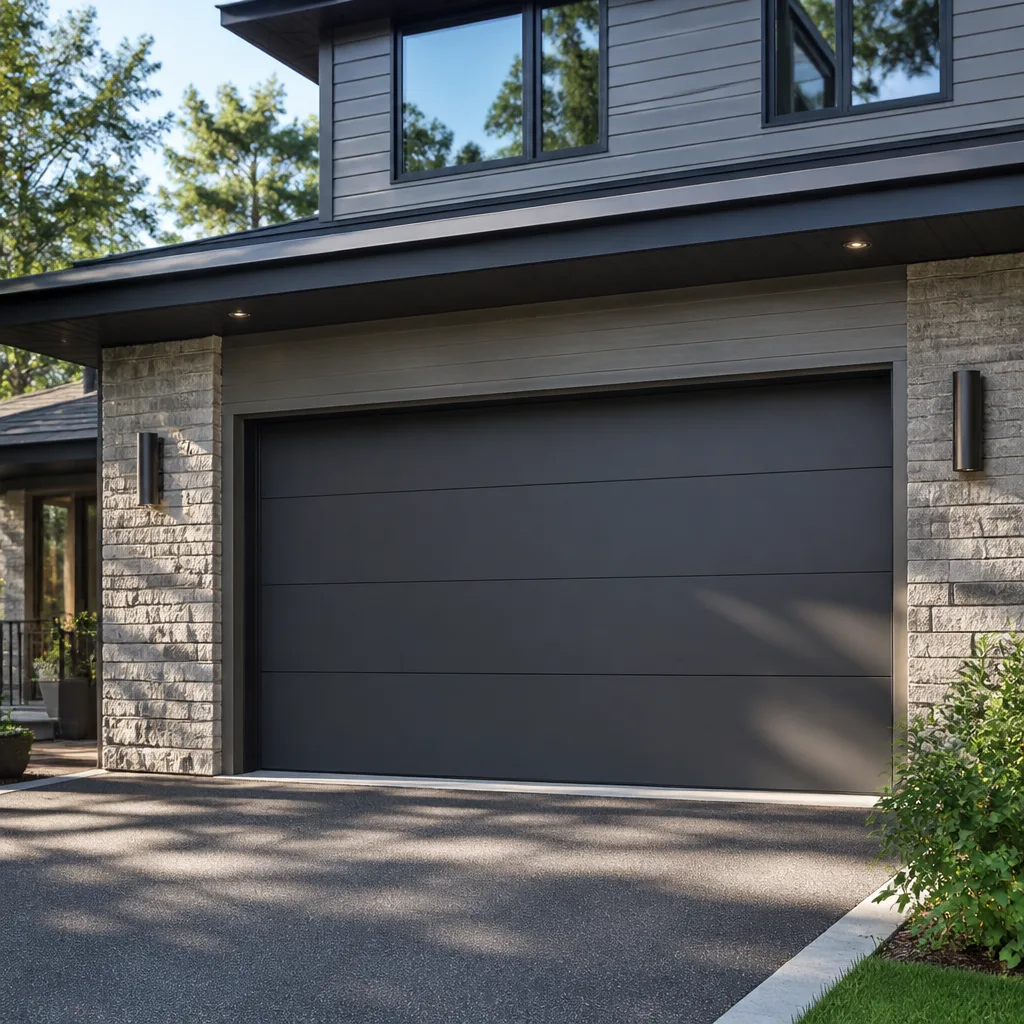 Modern flush
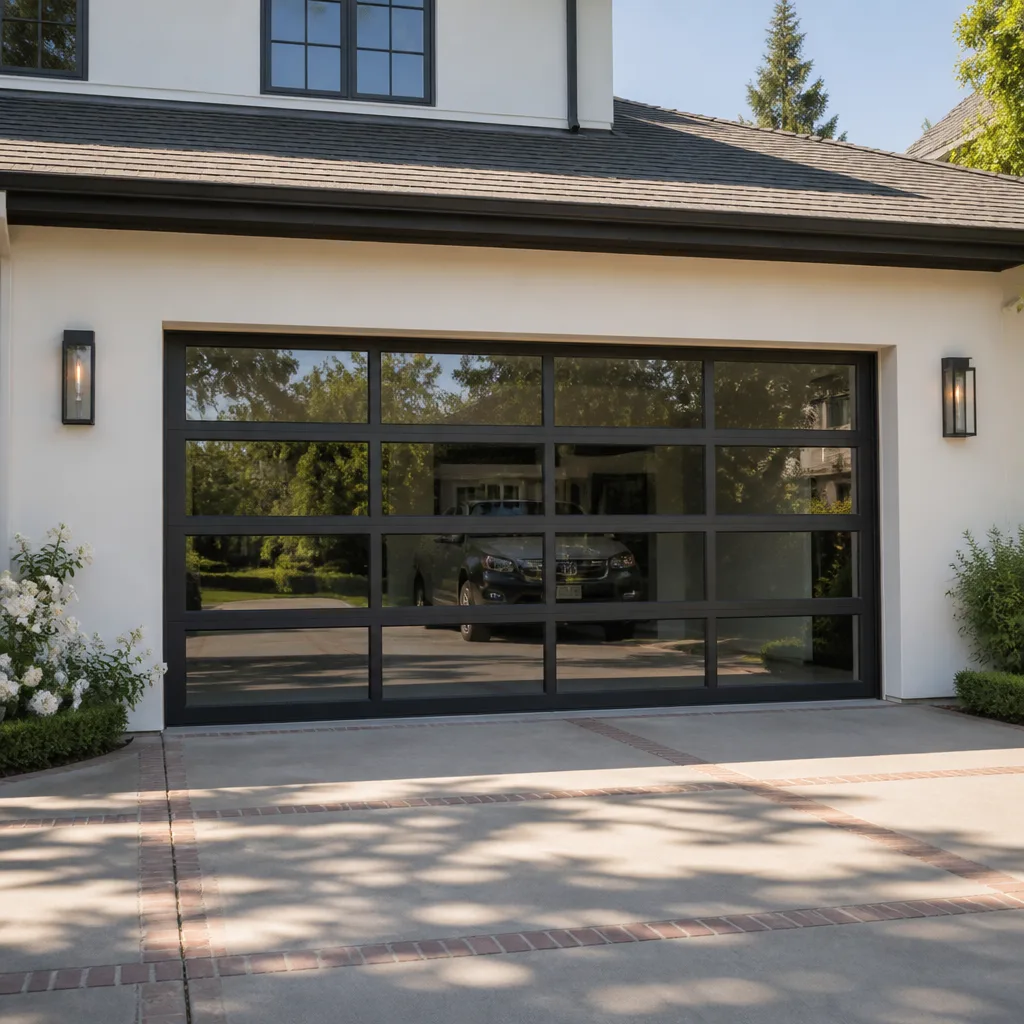 Full-view glass
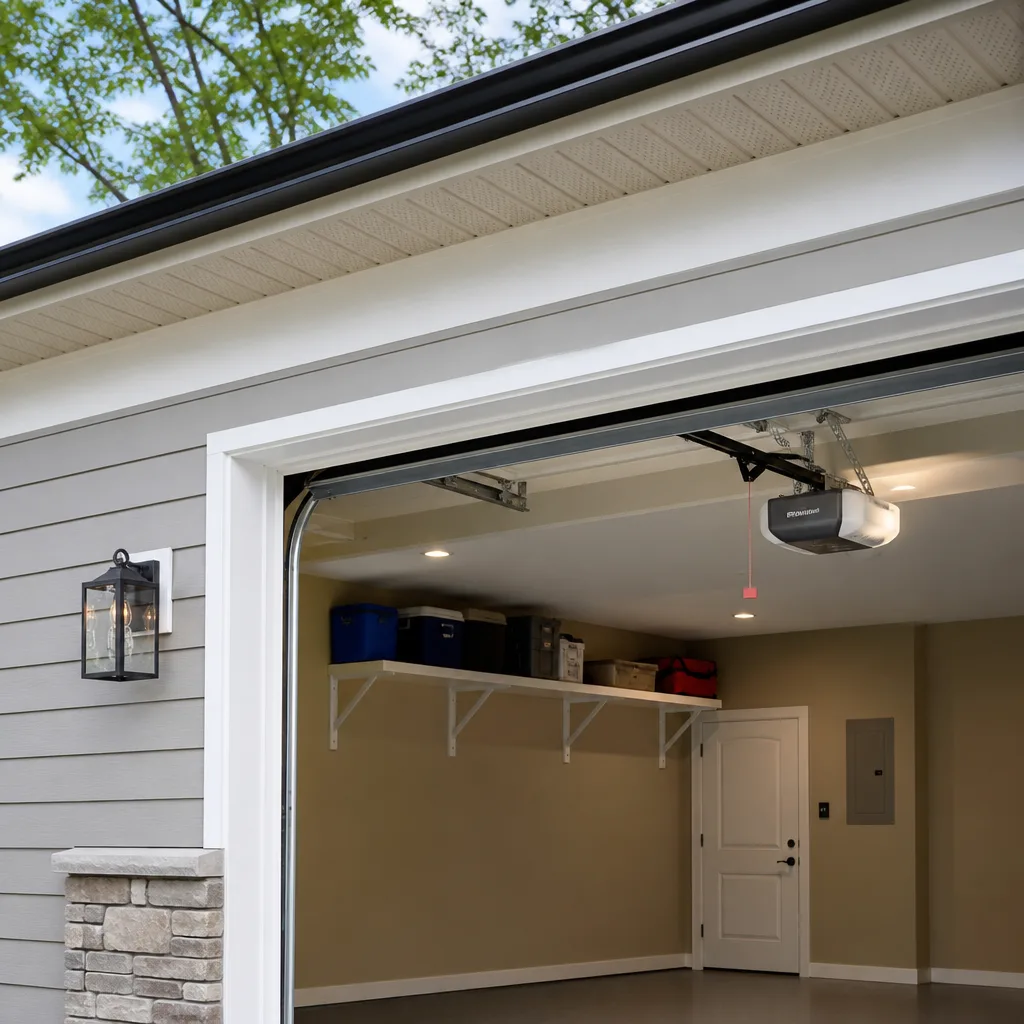 LiftMaster openers
 Chamberlain openers
Full 25-point door and opener safety check with every visit - springs, cables, rollers, tracks, and your LiftMaster or Chamberlain opener included
You get a price before we start. It does not change when the truck arrives.
Get your free estimateGarage Door Repair Maintenance Checklist for Fort Lauderdale Homeowners
Most garage door maintenance checklists floating around the internet were written for houses in Ohio or Michigan, where the big enemy is road salt and sub-zero cold snaps; for more guides & resources tailored to South Florida conditions, keep reading. Your door in Fort Lauderdale faces a completely different set of threats: 80 percent humidity, salt-laden air rolling in off the Atlantic, and UV exposure that bakes powder-coated steel until it chalks and cracks. We’re going to walk you through the actual maintenance tasks that matter here, month by month, tied to the real failure modes we’ve spent years fixing across Fort Lauderdale.
Styles & brands we work with
- Raised-panel steel
- Carriage house
- Modern flush
- Full-view glass
- LiftMaster openers
- Chamberlain openers
Quick Answer
A Fort Lauderdale garage door maintenance checklist has three pillars: a dry-season lubrication schedule every six months, a pre-hurricane inspection each May covering seals and torsion springs, and monthly visual checks for rust pitting on metal components. Skip the generic factory schedule and focus on humidity-driven corrosion, salt-air oxidation, and UV degradation. Most doors need about 20 minutes of attention every other month to avoid the repair calls that hit hardest in August and October.
Table of Contents
- Why Fort Lauderdale’s Climate Changes Everything
- The Monthly Maintenance Checklist
- Lubrication in High Humidity: What Actually Works
- Pre-Hurricane Garage Door Inspection (May)
- Dry-Season Maintenance (November Through April)
- Spotting Torsion Spring Rust Before a Break
- Weatherstripping and Water Intrusion
- Opener-Specific Checks for South Florida
- Common Mistakes to Avoid
- When to Call a Professional
- Frequently Asked Questions
- The Bottom Line
Why Fort Lauderdale’s Climate Changes Everything
The factory maintenance schedule tucked inside your opener manual assumes temperature swings your garage in Palm Aire will almost never see, but it completely ignores the salt-air oxidation and UV degradation that will actually shorten your door’s life. Fort Lauderdale sits at the intersection of three punishing forces: persistent humidity that never drops below 60 percent even in the dry season, airborne salt from the Atlantic that travels miles inland on prevailing easterly winds, and near-year-round UV indices that sit above 8 for most of the afternoon. Together, those three forces corrode hardware, degrade seals, and fatigue opener electronics faster than any four-season climate in the continental US.
What does that mean in practical terms? A torsion spring that lasts 10,000 cycles in a dry climate might fail at 7,000 here because rust pitting creates stress concentration points on the coil surface. Weatherstripping that would last a decade in Denver hardens and cracks in three to four years under Florida sun. And opener logic boards, sealed inside plastic housings, still get stressed by heat buildup in unventilated garages that hit 110 degrees by mid-afternoon in July. Your maintenance schedule needs to account for all of that, not for the freeze-thaw cycle page in the manual that’s irrelevant below Orlando.
We’ve worked on doors in every neighborhood from Victoria Park to Melrose Manors, and the failure patterns are consistent: corrosion first at the bottom panel edges, then hardware, then seals. The homeowners who avoid emergency calls are the ones who treat maintenance as a climate-specific routine, not a generic checklist. You can find more about our repair service on the Fort Lauderdale Garage Door Repair home page.
The Monthly Maintenance Checklist
Fort Lauderdale doesn’t have four seasons, so conventional seasonal maintenance advice falls apart. What we do have is a wet season from May through October and a dry season from November through April, plus a hurricane window that demands specific preparation. Most maintenance tasks should be done monthly or every other month, with heavier inspections tied to the seasonal shifts. Here’s the monthly routine that prevents the bulk of calls we get.
A complete monthly check takes about 20 minutes and requires no special tools beyond a flashlight, a rag, and the lubricant we’ll discuss below. Walk through these steps in order.
- Visual sweep of all hardware. Open the door fully and scan every hinge, bracket, bolt, and cable for rust blooming, white powdery corrosion on aluminum, or cracks in the mounting plates. Florida’s humidity means surface rust starts within months on unprotected steel, so catch it while it’s cosmetic.
- Listen during operation. Close the door from inside the garage and listen. A smooth hum from the opener is normal. Grinding, squealing, or a rhythmic thump means something’s binding or worn. Note where the sound comes from, top rail or side hinges, so you can localize the problem.
- Check the balance. Pull the manual release cord and lift the door by hand to shoulder height. It should stay put without drifting up or down more than a few inches. A door that drops is a sign of weakening springs, the most common garage door repair call in Fort Lauderdale.
- Inspect cables for fraying. Look at both lift cables along the tracks. Any broken strand, kink, or rust discoloration means replacement is due soon. A snapped cable under load can send the door crashing down, so don’t ignore this.
- Test the auto-reverse. Place a 2×4 flat on the ground under the door and close it. The door should reverse within two seconds of contacting the wood. Test the photo-eye sensors by closing the door and waving your foot across the beam. If either test fails, the safety system needs attention immediately.
- Wipe down the tracks. Use a dry rag to remove dust, salt film, and spiderwebs from the vertical and horizontal tracks. Do not grease the tracks, the rollers do the work, not the track surface.
- Check the bottom seal. Run your hand along the rubber seal at the bottom of the door and look for cracks, flattening, or gaps where daylight shows through. In Fort Lauderdale, a failed bottom seal means water intrusion during every afternoon thunderstorm.
This routine catches about 80 percent of the problems that lead to emergency calls. The remaining 20 percent, spring fatigue, opener board failures, and snapped cables, are harder to predict but easier to spot with the seasonal inspections that follow. If you’re in the Palm Aire area specifically, we have a dedicated page for Garage Door Repair in Palm Aire that covers the neighborhoods we serve most frequently there.
Lubrication in High Humidity: What Actually Works
Here’s where most generic maintenance advice actively harms Fort Lauderdale doors. The standard recommendation, spray lithium grease on everything that moves, is a recipe for accelerated wear in a high-humidity, salt-air environment. Grease is tacky by design, and tacky surfaces collect airborne salt, sand, and pollen. Within three months, that grease becomes an abrasive paste that wears hinges and rollers faster than if you’d done nothing at all.
For South Florida, the correct lubricant choice depends on the component.
- Torsion and extension springs: Use a garage-door-specific spray lubricant, not WD-40, not lithium grease. A light oil spray penetrates coil gaps and leaves a thin anti-corrosion film. Apply to the spring coils while the door is closed so the coils are under tension and slightly gapped. Spray once every six months, in May and November.
- Hinges and roller stems: Use a dry PTFE or silicone spray. These leave a low-friction film without the sticky residue that grabs salt particles. One quick shot per hinge pivot, four hinges per residential door, and one on each roller stem. Every four months is enough.
- Rollers with enclosed ball bearings: Nothing. Nylon rollers with sealed bearings are self-contained and cannot be lubricated without disassembling the bearing, which destroys the seal. If they grind, replace them.
- Opener chain or belt: Chain-drive openers need a light coat of white lithium spray on the chain every six months, but wipe off any excess with a rag so it doesn’t fling onto the rail. Belt drives are self-lubricating and should be left alone.
- Locks and manual release: A graphite-based dry lubricant keeps the lock cylinder and the release mechanism from seizing in salt air without attracting debris.
The products you use matter. Avoid penetrating oils like WD-40 for anything other than breaking free a seized bolt, they evaporate quickly and leave bare metal exposed to Fort Lauderdale humidity. Avoid heavy grease in a tub, it’s for car suspensions, not garage door hardware. The goal is a thin, dry, friction-reducing film on moving parts and an anti-corrosion coating on springs. That’s the balance that holds up between the May and October rain cycles.
Pre-Hurricane Garage Door Inspection (May)
Every May, before the Atlantic hurricane season officially starts on June 1, Fort Lauderdale homeowners should run a focused garage door inspection. A garage door is the largest opening in your home, and during a storm it’s the most vulnerable point for wind and water entry. Since Hurricane Andrew, Florida building codes have required wind-rated doors on new construction, but most doors in Fort Lauderdale were installed before those standards tightened, and even wind-rated doors lose integrity when hardware corrodes or tracks come out of alignment.
This May inspection should be more thorough than the monthly routine. Here’s what to check, and what you’re looking for specifically as a Fort Lauderdale homeowner rather than a generic surface-level checklist.
- Track alignment and mounting. Look at the vertical tracks on both sides. They should be plumb, with no visible gaps between the track and the wall brackets. Corrosion from salt air eats the lag bolts and brackets first. If you see rust staining around any bracket, that fastener is compromised, and in 130 mph winds a compromised bracket is a projectile waiting to happen.
- Torsion spring end cones and set screws. The set screws that anchor the spring to the shaft are the single most common point of corrosion-driven failure. If you see rust bloom around the set screws or the spring end cones, schedule a replacement before the spring lets go unpredictably. This is a safety-critical component, do not attempt to adjust or replace torsion springs yourself. The tension stored in a torsion spring can cause severe injury or death if released improperly.
- Struts and reinforcement rails. Many Fort Lauderdale doors have horizontal struts bolted across the interior face of the panels for wind reinforcement. Check every bolt on every strut. A loose strut means the door loses its wind-load rating, and a single missing bolt at the seam between panels is a weak point that wind pressure will exploit.
- Jamb seals and side weatherstrip. Run your fingers along the rubber seals on both sides of the door jamb. They should be pliable and make firm contact with the door. Hardened, cracked, or shrunken seals allow wind-driven rain to enter the garage during the afternoon thunderstorms that precede most tropical systems even before the storm itself arrives.
- Bottom seal replacement check. The U-shaped rubber seal at the door bottom is a wear item. If it’s flattened, torn, or has gaps at the corners, replace it before June. A failed bottom seal is the number one cause of garage flooding during heavy rain events in Fort Lauderdale, even outside hurricane season.
- Manual release operation. Pull the red release handle and verify the door opens and closes by hand smoothly and fully. After a hurricane, you may be without power for days, and you’ll need manual operation to get your car out. A door that’s hard to lift manually means the spring tension is wrong or the rollers are binding, both fixable problems before they strand you post-storm.
- Opener backup battery. If you have a LiftMaster or Chamberlain opener with a battery backup unit, test it now. Unplug the opener and operate the door on battery power. The battery should hold enough charge for at least 10 open and close cycles. If it doesn’t, replace the battery before hurricane season, not after the first outage.
For the opener component specifically, if you’re noticing intermittent operation or reduced range in the weeks leading up to storm season, that’s a diagnostic signal worth addressing. We have a separate page for Garage Door Opener Repair in Palm Aire that covers opener-specific diagnostics and the heat-related failures we see most often in that area.
Dry-Season Maintenance (November Through April)
The dry season in Fort Lauderdale, roughly November through April, is the best time to do maintenance that requires parts to be dry and temperatures to be moderate. It’s also the season when doors that were stressed by summer humidity start to show the damage. The air dries out, the wood and aluminum contract slightly, and gaps that were hidden by swollen seals suddenly appear.
The dry season is when we see the most calls for doors that have become noisy. Here’s why: during the wet season, oxidation builds up on roller bearings and hinge pivots while moisture temporarily keeps things quiet. When the dry air arrives, that corrosion hardens and the grinding starts. This is the season to address noise at its source.
- Complete roller inspection and replacement. Nylon rollers wear out after seven to ten years in Fort Lauderdale’s climate. Steel rollers can fail sooner if the bearings weren’t sealed. Listen for a grinding or rumbling sound during operation. If you can see flat spots, wobble, or rust staining around the bearing, replace them. This is a job we do often from November through February because the dry air makes the existing damage audible.
- Spring lubrication after the humidity drops. The November spring lubrication is arguably the most important one of the year because it recoats the springs right as the dry air begins accelerating corrosion. Rust needs moisture, and while the air is drier, that’s actually when existing rust hardens and spreads into fresh metal if the surface isn’t protected.
- Wood door inspection. If you have a wood garage door, check the bottom panels for rot and termite damage. Fort Lauderdale’s dry season is the only time of year when you can reliably spot water damage in wood doors because the moisture content drops below 15 percent and check cracks appear. Press firmly on the bottom panel corners. Soft wood means rot is present and the door’s structural integrity is compromised.
- Photo-eye alignment check. Cold fronts in the dry season bring rapid temperature changes that cause the metal brackets holding the photo-eye sensors to expand and contract. If your door reverses for no reason or the opener blinks instead of closing, the sensors are probably slightly out of alignment. Check that both sensors face each other and their indicator lights are steady, not flickering.
- Panel fastener tightening. Go around the entire door and tighten every hinge bolt, bracket screw, and track bolt. Fort Lauderdale’s diurnal temperature swings in the dry season, sometimes 20 degrees between morning and afternoon, repeatedly expand and contract the metal fasteners. Over years, that thermal cycling works bolts loose. Ten minutes with a socket set once a year prevents doors from eventually sagging in the track.
The dry season is also the ideal time to have any replacement work done, track repairs, new rollers, spring replacement, because the moderate weather means the job happens before the summer heat arrives. If a repair has been lingering since October, schedule it now. A door that survived the wet season with marginal hardware will not fare as well through another hurricane cycle if the underlying issue wasn’t corrected during the dry window.
Spotting Torsion Spring Rust Before a Break
Torsion springs are the component Fort Lauderdale homeowners should inspect most carefully because a failure is both dangerous and unpredictable, unless you know what to look for. The spring itself is under enormous tension, and even a visual inspection should be done from a safe distance. Do not touch, spray, or adjust a torsion spring while the door is under tension if you’re not a trained professional. What you can do is look for the Garage Door Warning Signs: A Fort Lauderdale Homeowner’s Reference Guide that precede a break.
Rust pitting is the killer. A torsion spring starts its life with a smooth, uniform surface. In Fort Lauderdale’s humidity, that surface develops microscopic corrosion pits within the first two years if the spring isn’t coated or lubricated regularly. Once a pit forms, it concentrates stress at that single point. Every cycle of the door, open and close, flexes the spring wire and the stress concentration grows. Eventually the wire fractures at the pit, usually when the door is closed and the spring is under maximum tension, which is why spring failures often sound like a gunshot and happen without warning.
- What early rust looks like: An orange-brown dusting or cloudiness on the spring coil surface, not deep rust yet, but a sign the protective coating is failing.
- What dangerous rust looks like: Distinct dark brown or black pits that look like tiny craters in the wire. If you can see pitting with the naked eye from two feet away, the spring is in the later stages of fatigue.
- What a failing spring sounds like: A popping or creaking noise when the door operates, especially near the end of the opening cycle when the coils separate and rub against each other. If you hear that sound, the spring is losing its protective surface and the metal is galling against itself.
- What the end cones reveal: The cast aluminum cones at each end of the spring are a good proxy for spring condition. If the cones are covered in white oxidation powder, the spring itself has been exposed to the same salt air and is likely corroded internally where you can’t see.
We’ve replaced springs in every Fort Lauderdale neighborhood where the homeowner said the same thing: they had no idea it was about to go. The visual cues are there, but they’re subtle. In our experience, doors in coastal-adjacent areas like Harbor Beach and Las Olas Isles show spring rust pitting noticeably faster than doors further west near Plantation or Davie, simply because the salt concentration in the air is higher. If you spot any of the rust patterns above, the spring needs replacement, not rehabilitation. A rust-pitted torsion spring cannot be repaired, only replaced. And because torsion springs are under enough tension to cause serious injury or death, this is a replacement that should never be a DIY project.
Weatherstripping and Water Intrusion
Weatherstripping does double duty in Fort Lauderdale. In a four-season climate, its job is mainly thermal, keeping cold air out and warm air in. Here, thermal efficiency is secondary, and water intrusion is the primary concern. Fort Lauderdale gets an average of 62 inches of rain per year, most of it falling in intense afternoon bursts between May and October. When a thunderstorm drops two inches of rain in 90 minutes, the water pools against the garage door and the latex seals are the only line between that water and everything stored on your garage floor.
There are three seals to inspect, and each fails in a specific way.
- Bottom seal (the U-shaped rubber at the door base): This is the highest-wear item on the entire door. It drags across the concrete every cycle, and in Fort Lauderdale’s heat, the rubber compound ages and loses elasticity faster than in cooler climates. Look for flattening, cracking along the fold, or gaps at the corners where the seal doesn’t sit flush. After a heavy rain, run your hand along the interior garage floor at the door line. If it’s damp, the seal is letting water past.
- Side jamb seals (the vertical strips along the door edges): Wind-driven rain is the issue here. Fort Lauderdale thunderstorms approach from the east and hit the garage door face head-on. If the side seals have any gaps, that wind pushes rain through any opening. Check for areas where the seal pulls away from the jamb, particularly at the top and bottom corners where the door angle changes.
- Top seal and header seal (above the door): This one is often forgotten because it’s not visible from inside the garage. The header seal breaks down under UV exposure because the top of the door frame faces direct afternoon sun. Check from the outside. A crusty, cracked, or missing header seal allows water to run down the inside face of the door and into the garage during heavy rain.
Replacing weatherstripping is one of the few maintenance tasks that’s genuinely DIY-friendly for most homeowners. The bottom seal slides out of its aluminum retainer and a new one slides in. Side and header seals usually nail or screw into place. The key is buying the right profile, manufacturer seals are shaped differently between Clopay and Wayne Dalton doors, and a generic seal from a big-box store may not seat correctly in a factory retainer. If you’re uncertain about which profile you need, we can match the seal to the door during a service call rather than selling you something that leaks. If your door has reached the point where sealing isn’t enough, we handle full replacement too, see our Garage Door Installation in Palm Aire page for details.
Opener-Specific Checks for South Florida
Garage door openers in Fort Lauderdale fail differently than the same models in other climates. The motor, logic board, sensors, and antenna all live inside a garage that experiences extreme heat and humidity for half the year, and those environmental stresses produce specific failure patterns. Three checks should be part of your routine, and each targets a known South Florida weak point.
Heat-related logic board strain. The printed circuit board inside your opener’s head unit generates heat during operation, and in an unventilated Fort Lauderdale garage that’s already at 100 degrees, that heat has nowhere to go. The symptom is specific: the opener works correctly in the morning, but by mid-afternoon it refuses to open, or the lights flash and nothing moves. That’s thermal cutoff, the board protecting itself. If you’re seeing afternoon-only failures, the board is under thermal stress and may eventually fail permanently. Check that the opener’s housing vents are unobstructed and consider a garage exhaust fan if the space regularly exceeds 95 degrees.
Antenna signal degradation in humidity. The antenna wire hanging from the opener head is sensitive to moisture accumulation. In Fort Lauderdale’s summer, thin moisture films form on the antenna surface and on the circuit board connections, which degrades the radio signal from your handheld remote. The symptom is reduced range: the remote works from 20 feet away but not from the end of the driveway. Before assuming the remote needs a new battery, try wiping down the antenna wire with a dry cloth and checking that it’s hanging straight down, not coiled or touching metal.
Manual release verification. The emergency release cord and its internal carriage mechanism see more corrosion in Fort Lauderdale than anywhere else because the salt-air humidity reaches the parts even when the door is closed. Test the release at least twice a year, in May before hurricane season and in November after it. Pull the cord and verify the door disengages from the opener carriage and moves freely by hand. If the cord is stiff to pull or the door doesn’t disengage cleanly, the internal latch mechanism may be corroded. This is the component you’ll depend on after a storm-related power outage, and it’s a mechanical system that needs no power to fail silently.
Different opener brands handle South Florida conditions differently, in our experience with LiftMaster and Chamberlain systems, the logic board thermal cutoff is a known protection feature, while Genie models tend to be more sensitive to humidity on the sensor connections. The point isn’t that one brand is better, it’s that the maintenance checks need to match the equipment you actually have, not a generic opener checklist. We work on your brand, whatever it is, and we diagnose opener problems at the source rather than replacing parts until something works.
Common Mistakes to Avoid
- Using WD-40 on springs. WD-40 is a solvent, not a lubricant. It strips any existing protective coating and evaporates, leaving bare steel exposed to Fort Lauderdale humidity. The spring then rusts faster than if you’d done nothing.
- Greasing the track. We see this all the time. Homeowners assume the track needs grease because it’s metal and the door moves on it. The rollers do the work, and a greased track just collects salt, sand, and leaves. Wipe the track clean, but never lubricate it.
- Ignoring a noisy door. Noise is not a personality quirk. In Fort Lauderdale, a noisy door means corrosion has already built up on the moving parts. By the time the noise stops, either the part has worn smooth again, which means significant material loss, or it’s about to fail.
- Delaying spring replacement after early rust signs. Once rust pitting appears, the countdown has started. Every cycle after that point brings the spring closer to fatigue failure. We’ve replaced springs that failed weeks after homeowners noticed rust and assumed they had more time.
- Using interior-grade caulk on exterior seals. Fort Lauderdale’s UV exposure destroys interior caulk within one season. If you’re sealing any gap around the door frame, use an exterior-grade, UV-resistant sealant rated for South Florida conditions.
- Checking seals only when you see water. By the time water is visible on the garage floor, the seal has been compromised for weeks. Water that seeps in during a storm often evaporates quickly in the heat, leaving no visible trace but doing damage to whatever absorbs it, cardboard boxes, drywall, finished floors.
- Testing the auto-reverse with a foot. Never use a body part to test the auto-reverse function. Use a solid object like a 2×4. A door whose reversal system has failed will not stop for a foot, and the result is a broken foot, not a valuable diagnostic.
When to Call a Professional
Some maintenance tasks are safe and straightforward, and some are not. If you’re dealing with a torsion spring that shows rust pitting, a snapped cable, or a door that won’t balance when you test it manually, call a professional before touching anything further. Torsion springs and lift cables are under enough tension to cause severe injury or death, and no maintenance checklist should ever encourage a homeowner to work on them directly. If your opener is showing thermal cutoff symptoms or the logic board is misfiring, diagnosis requires voltage testing that’s best left to someone with the right meters and the right training. Fort Lauderdale Garage Door Repair offers free estimates throughout Fort Lauderdale, and repair or replace, we’ll tell you which one actually makes sense. Call (855) 382-3858 if you’ve found something on this checklist that needs a closer look.
Frequently Asked Questions
Lubricate your garage door springs, hinges, and roller stems every six months in Fort Lauderdale, once in May before hurricane season and once in November at the start of the dry season. The six-month interval matches the humidity shifts and ensures the anti-corrosion coating is refreshed before each season’s conditions set in. Call (855) 382-3858 if you want us to handle the lubrication as part of a full inspection, estimates are free.
Fort Lauderdale’s combination of persistent humidity, airborne salt from the Atlantic, and high temperatures accelerates torsion spring rust pitting significantly compared to inland or northern climates. The salt acts as a corrosive agent, the humidity provides the moisture needed for the reaction, and the heat speeds up the chemical process. Regular lubrication with a proper garage-door spray, not WD-40, is the best defense.
In Fort Lauderdale, an opener that works in the morning but fails in the afternoon is typically experiencing thermal cutoff, where the logic board reaches its temperature limit and shuts down to protect itself. This is common in unventilated garages that exceed 95 degrees. The fix may be as simple as adding garage ventilation, or the board may be failing and need replacement.
Yes, weatherstripping replacement is one of the easier DIY maintenance tasks if you match the seal profile correctly. The bottom seal slides out of its retainer and a new one slides in, while side and header seals mount with screws or nails. The critical step is buying a seal that matches your specific door brand, since Clopay, Wayne Dalton, and Amarr use different profiles that are not interchangeable.
A torsion spring with visible rust pitting, not just surface discoloration, needs replacement because the pitting creates stress concentration points that lead to fatigue failure. There is no way to repair a rust-pitted spring, and any attempt to adjust or replace it yourself carries serious injury risk due to the stored tension. Call (855) 382-3858 for an inspection if you see the warning signs described in this guide.
Yes, every May before hurricane season begins, Fort Lauderdale homeowners should do a focused inspection covering track mounting, spring set screws, wind struts, weatherstripping, manual release function, and opener backup batteries. These are the components most vulnerable to storm damage and most likely to be compromised by the salt-air corrosion that has accumulated over the previous dry season. If you’d prefer a professional inspection before the season starts, call (855) 382-3858 for a free estimate.
The Bottom Line
Maintaining a garage door in Fort Lauderdale is less about following a generic schedule and more about responding to the specific conditions this climate creates: salt air, persistent humidity, extreme heat, and seasonal hurricane threats. The homeowners who avoid emergency calls are those who lubricate the right components with the right products on a strict six-month cycle, who inspect torsion springs for rust pitting before a break happens, and who treat weatherstripping as water-intrusion protection first and thermal insulation second. Twenty minutes a month, a thorough May inspection, and a dry-season tune-up will catch most failures before they strand you in the driveway or worse, during an outage after a major storm. If you find something during your maintenance routine that you don’t have the tools or training to fix, check out our Garage Door Repair Troubleshooting in Fort Lauderdale: Common Problems and How to Fix Them for guidance, or make one call to cover it.
Written by the team at Fort Lauderdale Garage Door Repair, serving Fort Lauderdale since 2018.
For all your garage door needs, from same-day repairs to opener diagnostics and full door installation, call us at (855) 382-3858 for a free estimate. We work on your brand, LiftMaster, Chamberlain, Genie, Clopay, Amarr, Wayne Dalton, Craftsman, and Raynor, so whatever’s already on your garage, we know how to fix it.
See the difference
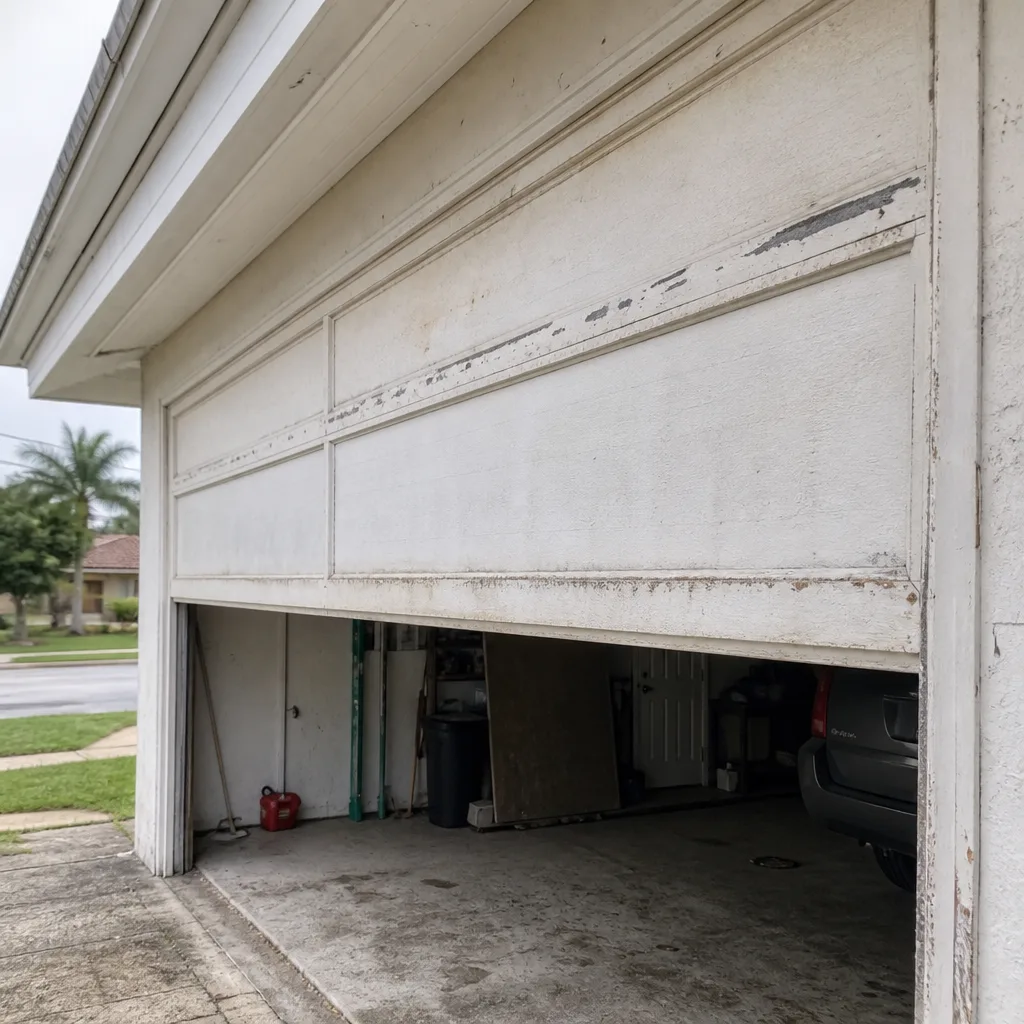 Before
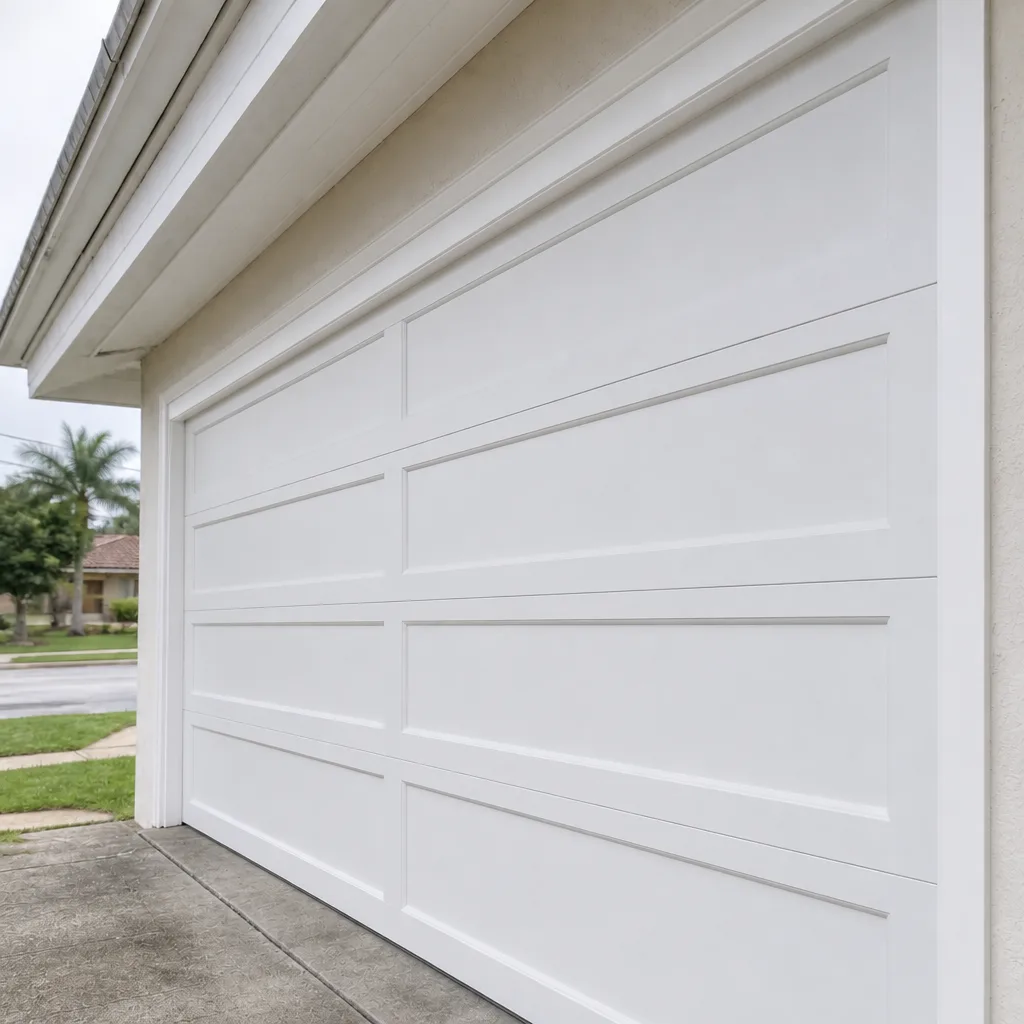 After
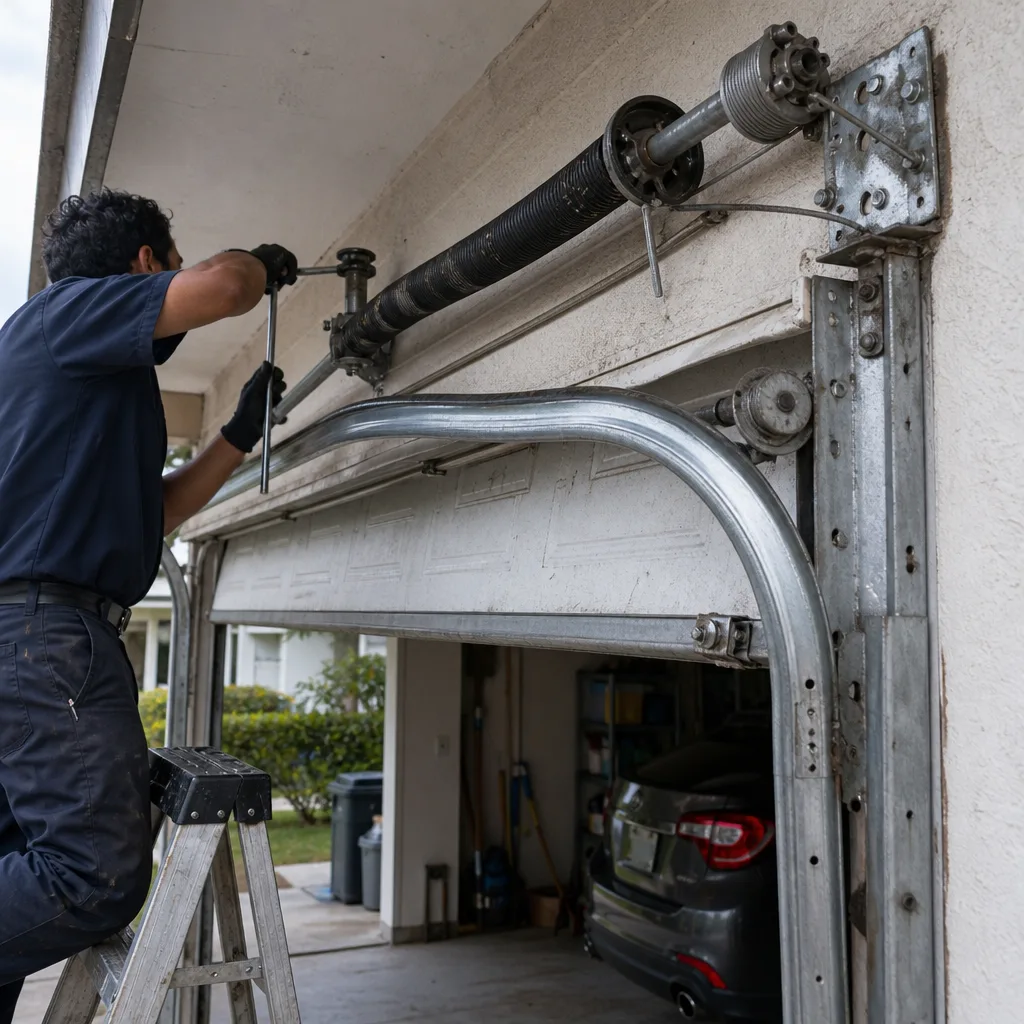 Before
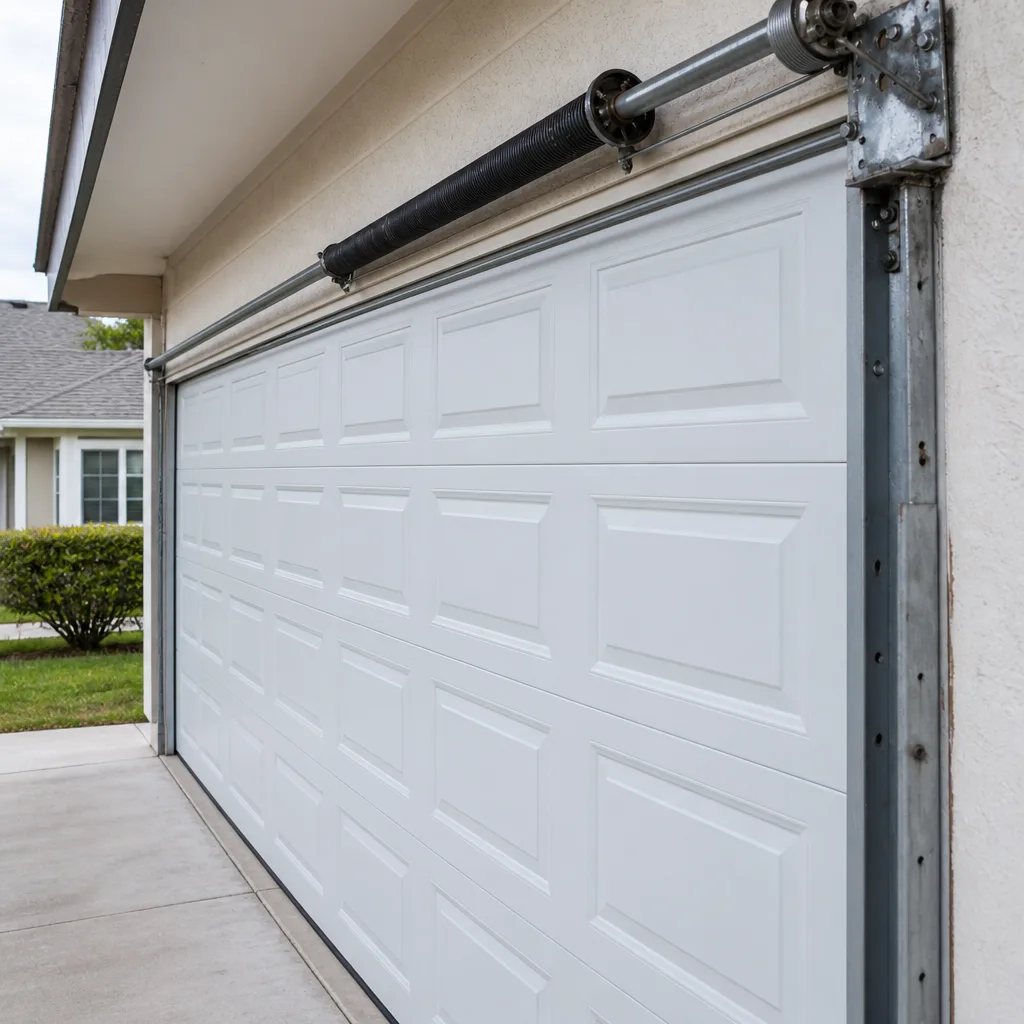 After
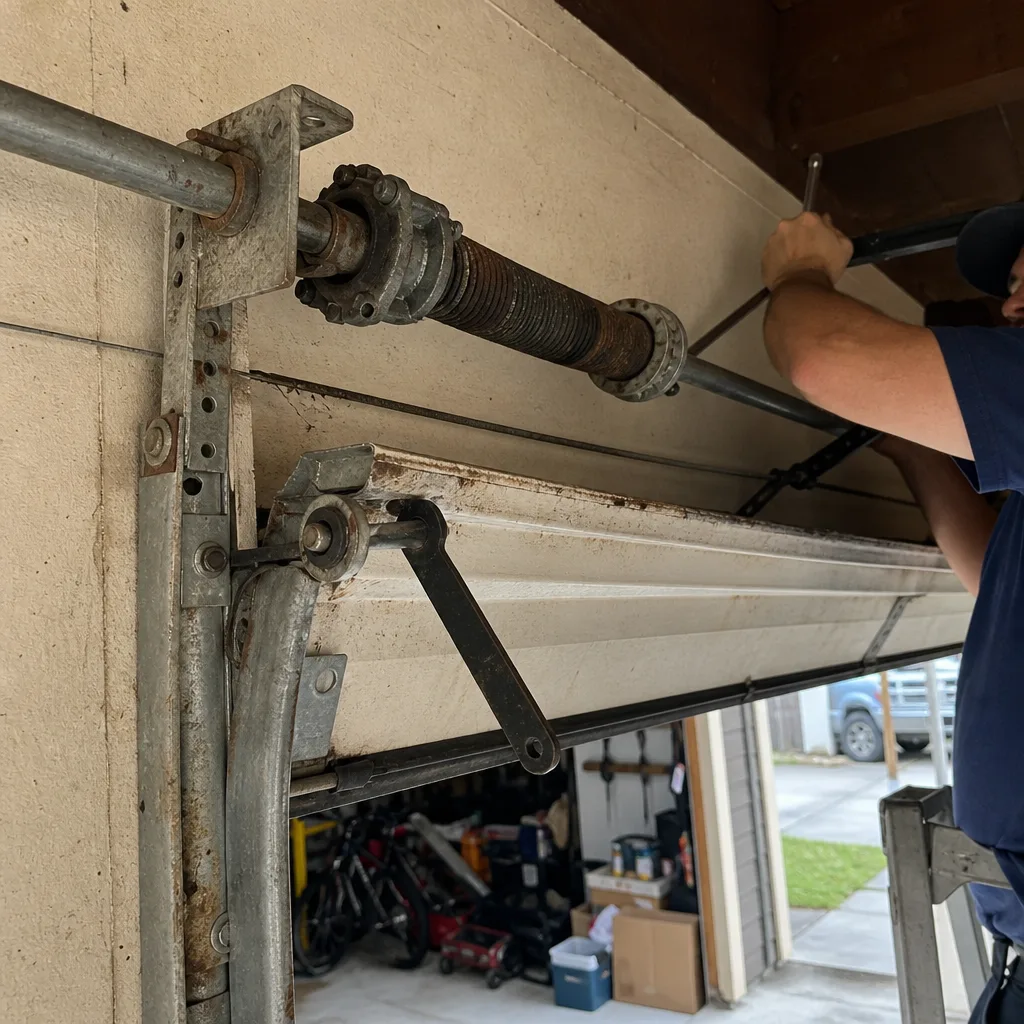 Before
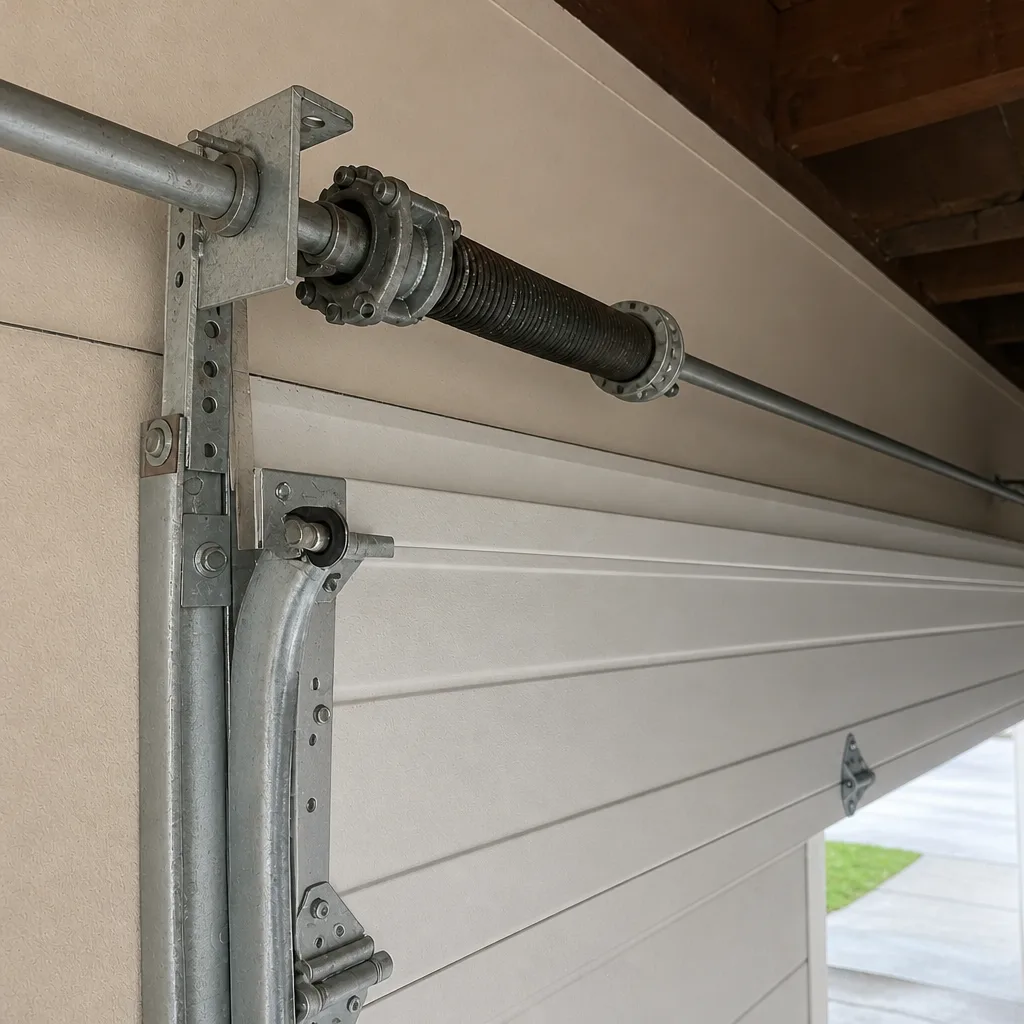 After