
Last updated October 31, 2026
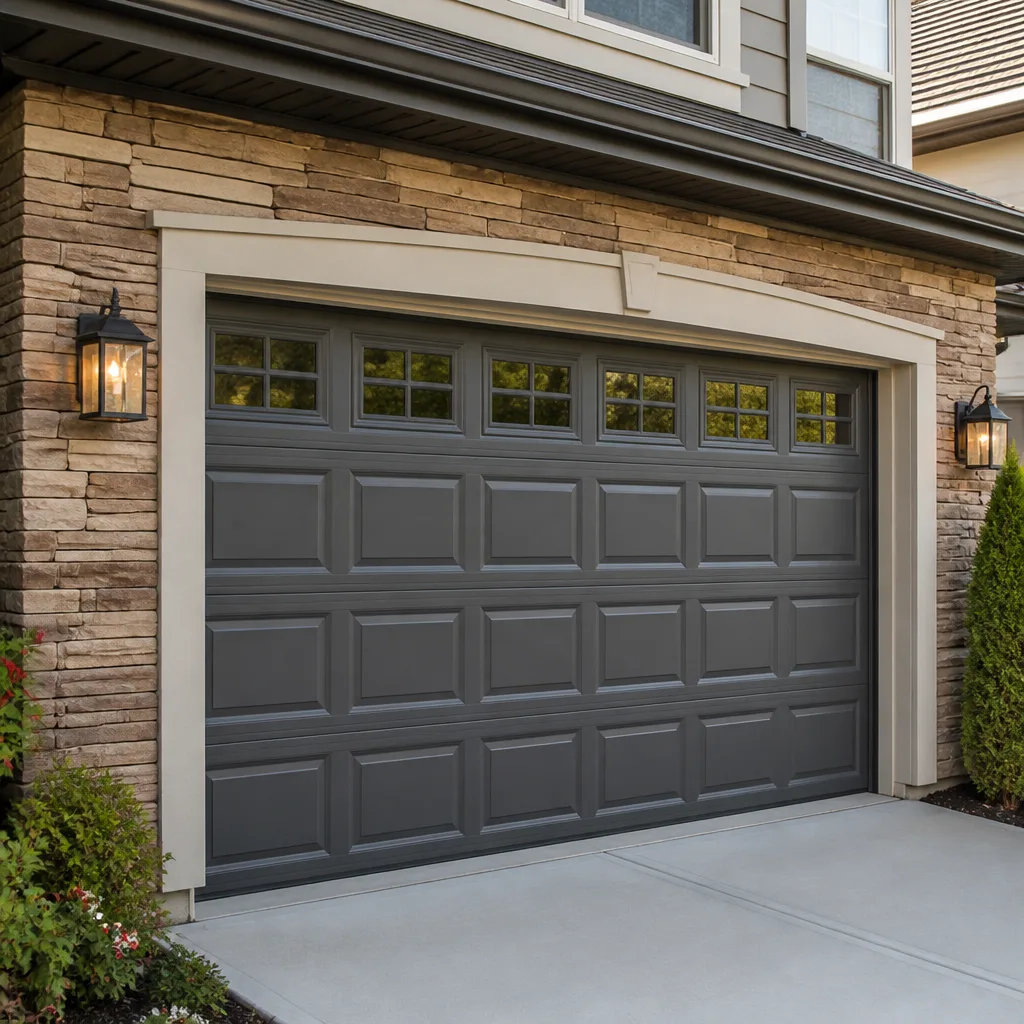 Raised-panel steel
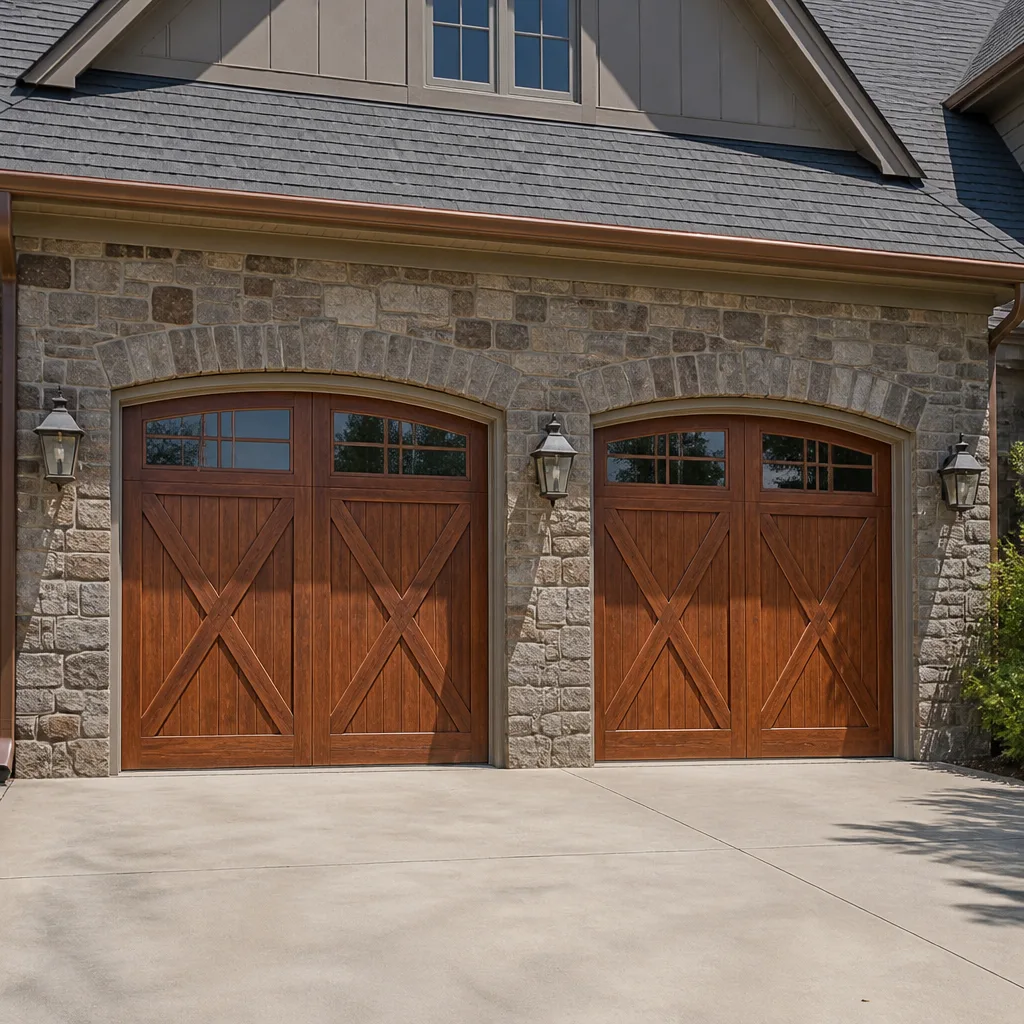 Carriage house
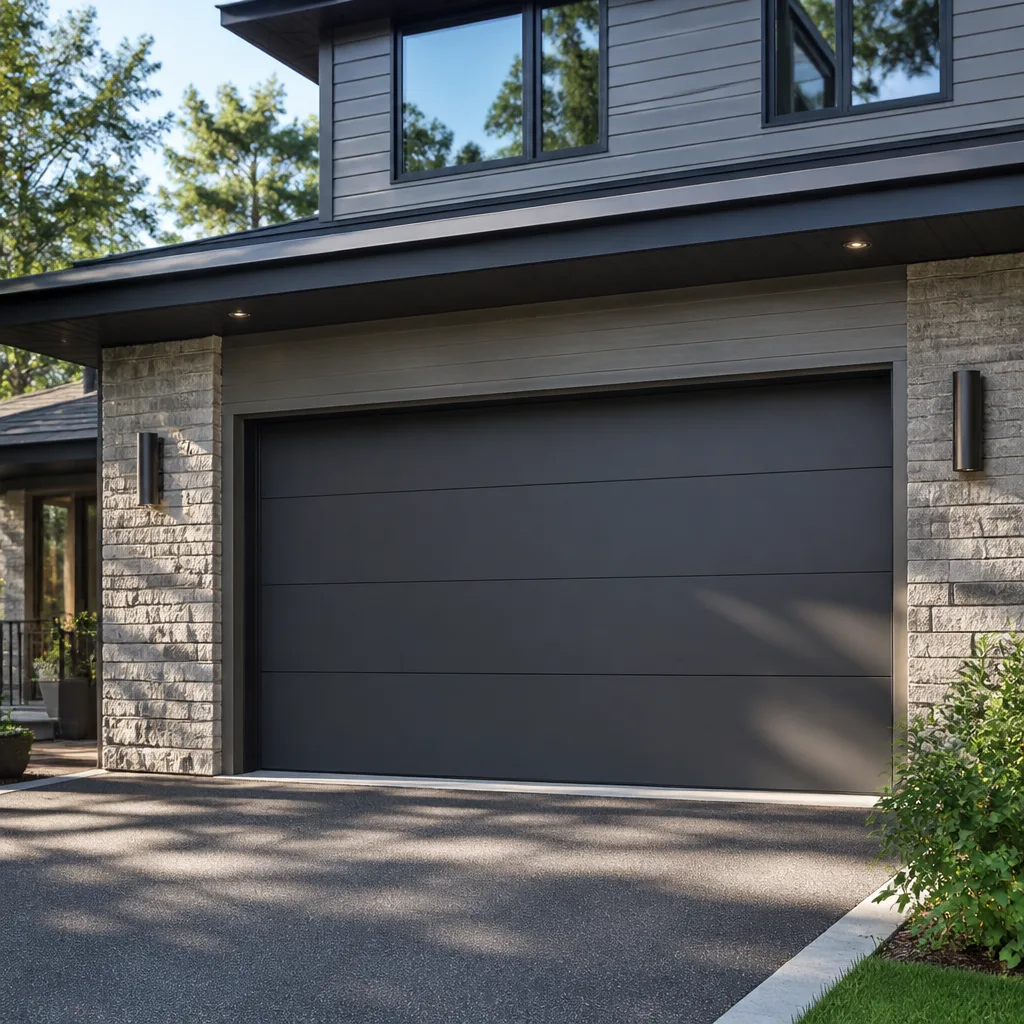 Modern flush
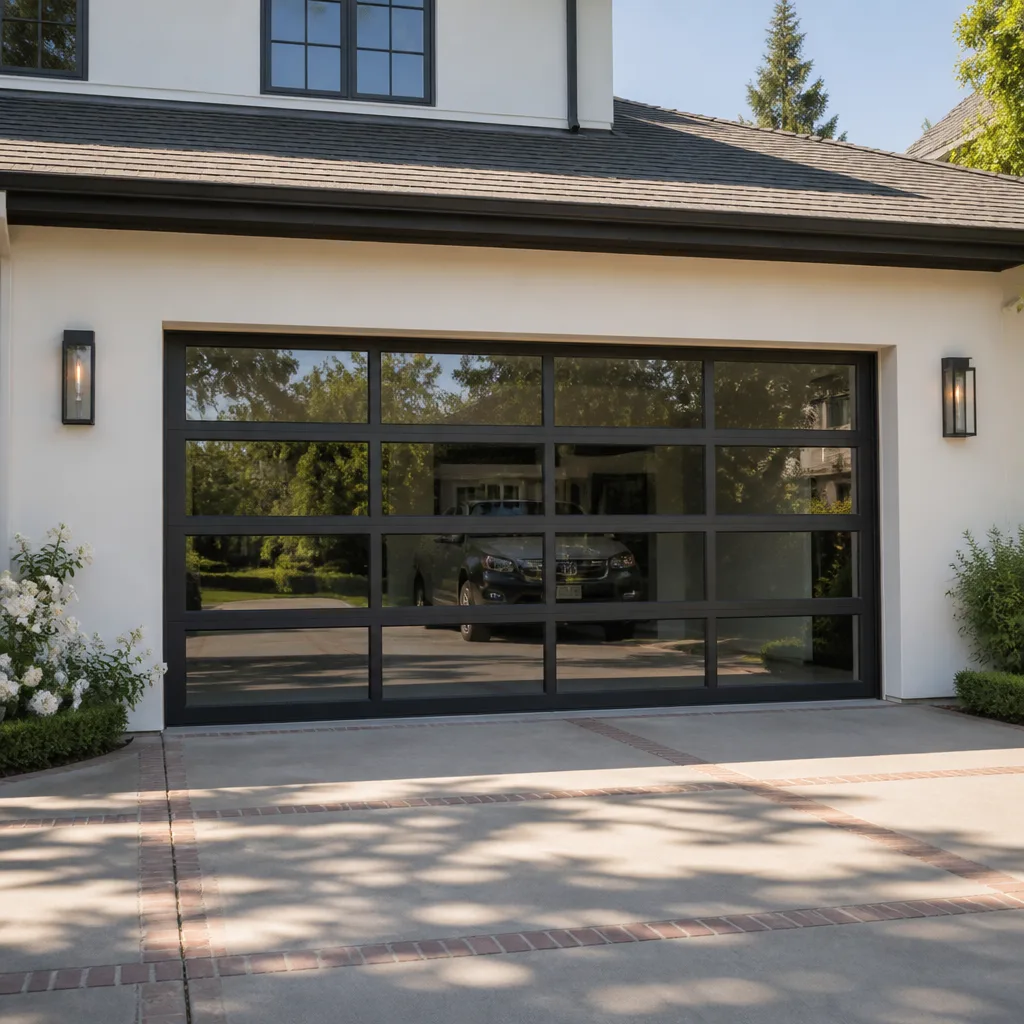 Full-view glass
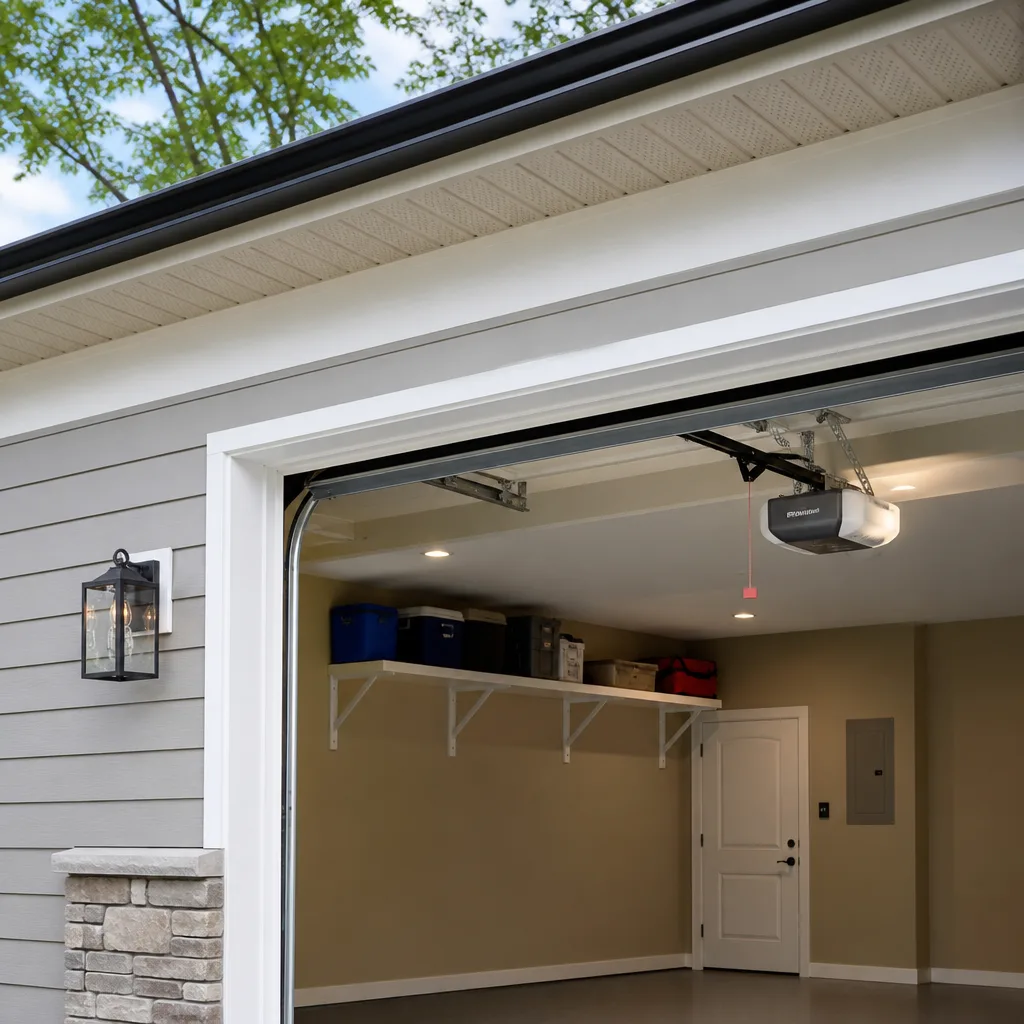 LiftMaster openers
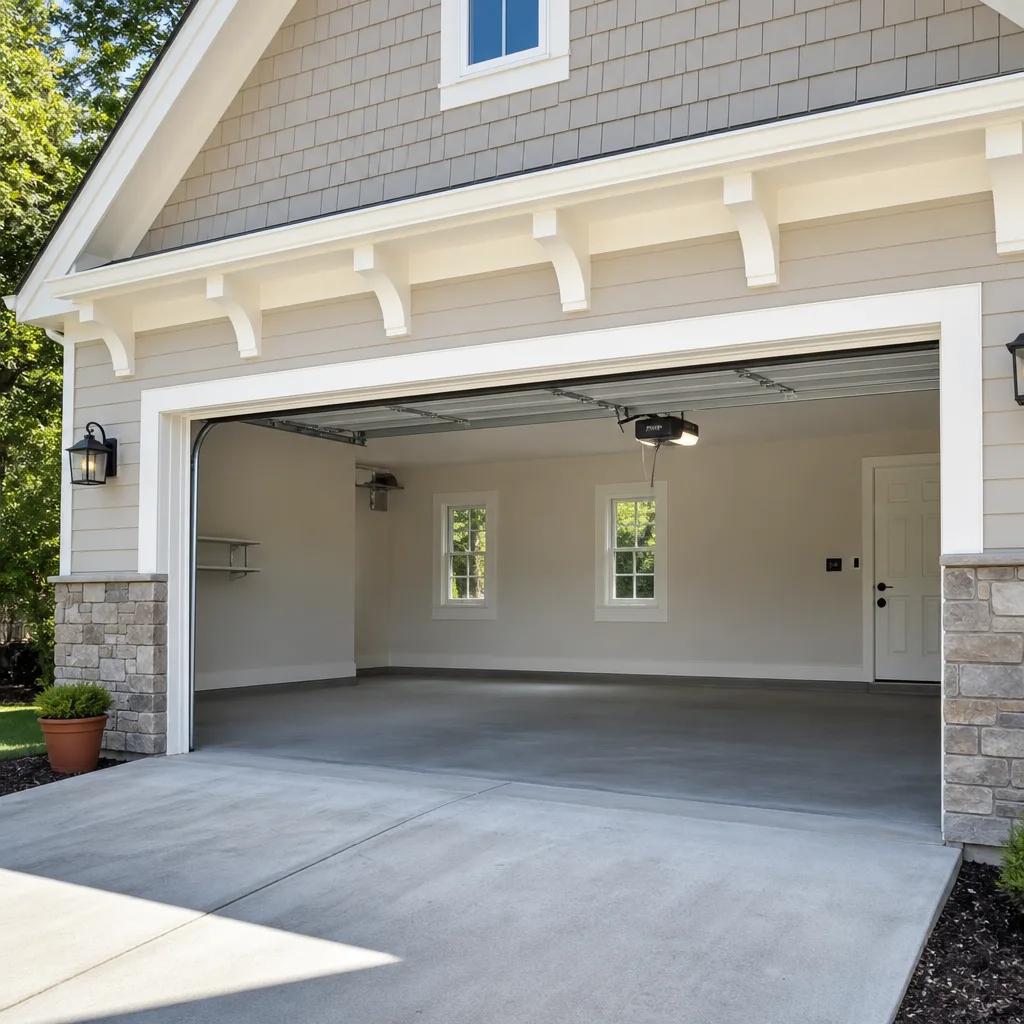 Chamberlain openers
Full 25-point door and opener safety check with every visit - springs, cables, rollers, tracks, and your LiftMaster or Chamberlain opener included
You get a price before we start. It does not change when the truck arrives.
Get your free estimateGarage Door Permits, Codes & Inspections in Fort Lauderdale, FL: What You Need to Know
Here’s something most Florida homeowners don’t realize until it’s too late: the garage door is the single largest opening in your home’s exterior wall, and Florida Building Code treats it as a structural component of your wind-load system. Not a cosmetic feature. A structural component. Around Fort Lauderdale, where wind-driven rain and hurricane-force gusts are a matter of when rather than if, a garage door that wasn’t permitted or can’t pass inspection isn’t just a code violation. It’s a hole in your house’s defense. This guide covers what actually requires a permit, what inspectors check, what a wind-load rating means, and how a properly permitted door protects your insurance standing when the next storm approaches.
Quick Answer
In Florida, any garage door replacement that changes the structural opening, door weight, or wind-load rating requires a permit under Florida Statute 553 and the Florida Building Code. Most full door replacements in Broward County need a permit plus a passed inspection because the door must meet specific wind-load design pressure ratings based on your home’s wind zone. A door installed without a permit can void your wind mitigation credit, trigger resale disclosure problems, and give your insurer grounds to deny a future wind-damage claim. The fix is a retroactive permit, which is entirely possible but costs time and money.
Styles & brands we work with
- Raised-panel steel
- Carriage house
- Modern flush
- Full-view glass
- LiftMaster openers
- Chamberlain openers
Table of Contents
- When Florida Law Actually Requires a Garage Door Permit
- Wind-Load Ratings and Design Pressure: What the Numbers Mean
- What a Broward County Garage Door Inspection Actually Checks
- How a Permitted Wind-Rated Door Affects Your Insurance Premium
- You Discovered an Unpermitted Door: The Retroactive Permit Process
- What Garage Door Permits and Inspections Cost in Broward County
- Common Mistakes to Avoid
- When to Call a Professional
When Florida Law Actually Requires a Garage Door Permit
Florida Statute 553 mandates that any construction activity altering a building’s structural components requires a permit. For garage doors, the threshold question is whether the work changes the door’s structural role in the building envelope. Here’s what that means in practice:
- Replacing a door with the same size, weight, and wind-load rating: Generally does not require a permit. If you swap one hurricane-rated 16×7 door for another with an equal or higher design pressure rating, the structural integrity stays the same.
- Replacing a door with a larger or heavier door: Requires a permit. Bigger opening means new header loads. Heavier door means new spring and track requirements. Both change the structural math.
- Replacing a non-wind-rated door with a wind-rated door: Requires a permit. This is an improvement to the building envelope and must be inspected to verify the installation meets the approved plans.
- Replacing a wind-rated door with a non-rated door: Requires a permit, and likely won’t pass. You cannot legally downgrade your home’s wind resistance in Broward County.
- Enlarging or modifying the rough opening: Always requires a permit. This is structural work on load-bearing walls, full stop.
- Replacing only the operator unit on an existing door: If the door itself isn’t changed and the opener swap doesn’t alter the door’s operation or structure, a permit is typically not required in most Broward County municipalities. We recommend checking with your city’s building department because interpretations vary.
Around Fort Lauderdale, we’ve seen homeowners assume a “like-for-like replacement” exempts them from permits when it actually doesn’t. The 2023 Florida Building Code updates clarified that even same-size replacements may require a permit if the new door has a different design pressure rating than the one it replaces. If you’re unsure, call the building department or consult a Garage Door Repair Troubleshooting in Fort Lauderdale: Common Problems and How to Fix Them resource first. That’s a five-minute call that can save you five figures at resale.
Wind-Load Ratings and Design Pressure: What the Numbers Mean
Every hurricane-rated garage door carries a design pressure (DP) rating, expressed as a number like DP 50 or DP 55. That number tells you how much wind force the door can withstand before it fails. Florida Building Code Section 1609 assigns specific wind-load requirements by geographic wind zone, and Broward County sits in one of the most demanding zones in the state.
Broward County requires garage doors to meet Miami-Dade or Florida Building Code product approval standards, which translate to minimum DP ratings that vary by your home’s exact location, exposure category, and roof height. In exposed coastal areas of Fort Lauderdale, DP 55 and above is common. Further inland, DP 50 may suffice. A door that meets Miami-Dade NOA (Notice of Acceptance) standards carries documentation proving it passed testing for wind pressure, impact resistance, and water infiltration.
Here’s what the numbers actually mean, broken down:
- DP 40: Withstands roughly 140 mph wind loads. Generally insufficient for Broward County residential garage doors.
- DP 50: The common baseline for inland areas. Tested for approximately 160 mph equivalent wind forces.
- DP 55: Standard for most of Fort Lauderdale’s residential zones. Tested for roughly 170 mph equivalent.
- DP 60: Required in some coastal exposure categories and for larger doors with broader surface area.
- Impact-rated (large missile): Tested against a 9-pound 2×4 fired at 34 mph. Required in the High Velocity Hurricane Zone (HVHZ) that includes Broward County.
Brands like Clopay, Amarr, and Wayne Dalton manufacture doors specifically built to Broward County standards. A Genie or LiftMaster opener doesn’t change the door’s wind rating, but the door itself must carry the product approval documentation. We always verify the NOA before installation. If the paperwork doesn’t match the door, the inspector will fail it, and you’ll be paying for a second visit.
What a Broward County Garage Door Inspection Actually Checks
Once the permit is pulled and the door is installed, the building department sends an inspector to verify the work matches the approved plans. In Broward County, garage door inspections are typically combined with other trade inspections on the same permit. Here’s what the inspector is looking at, step by step:
- Product approval documentation. The inspector verifies the installed door’s model number, size, and DP rating match the NOA or Florida Product Approval on file. If the label is missing or doesn’t match, the inspection fails on the spot.
- Attachment method. The inspector checks that the door tracks and jambs are anchored per the manufacturer’s installation instructions and the approved engineering. In HVHZ zones, this means specific anchor types, spacing, and embedment depth.
- Reinforcement components. For impact-rated doors, inspectors verify that all required reinforcement stiles, struts, and mounting brackets are installed. Missing a single strut on a 16-foot door is a common fail point.
- Header condition. The inspector confirms the header above the opening is intact and properly sized for the door load. If previous termite damage or rot is visible, the inspection stops there.
- Weather sealing and flashing. Wind-driven rain protection is code-mandated in Broward County. The inspector checks that the top seal, side seals, and bottom weatherstrip are installed and functioning.
- Balance and operation. The inspector may ask to see the door opened and closed manually. A door that’s severely out of balance can indicate improper spring installation, which is a safety and code issue.
- Safety sensor operation. On any door with an operator, the inspector verifies the photoelectric sensors reverse the door on contact or obstruction, per UL 325 requirements.
Failed inspections in Fort Lauderdale happen most often for three reasons: missing product approval labels, improper anchorage, and skipped safety sensor testing. Review our Garage Door Repair Maintenance Checklist for Fort Lauderdale Homeowners to avoid these issues. Each failed inspection costs you a re-inspection fee and another scheduling window.
How a Permitted Wind-Rated Door Affects Your Insurance Premium
This is where the permit question gets personal. Your homeowner’s insurance policy in Florida is priced partly on your wind mitigation report, which documents specific construction features that reduce wind-damage risk. A garage door that appears on a wind mitigation report as hurricane-rated with verified documentation earns you a credit. A door that lacks documentation, or that was installed without a permit, does not.
What does the credit actually look like in dollars? Wind mitigation credits vary by carrier, home value, and location, but in Broward County, a fully documented wind-rated garage door is typically one component of a broader mitigation package. Homeowners in Fort Lauderdale with complete wind mitigation documentation including a rated garage door commonly report annual premium savings of $300 to $1,200 compared to equivalent homes without those credits. The exact figure depends on your carrier’s actuarial tables, but the point stands: permits and documentation translate to real premium dollars.
The reverse is more concerning. If your home was written with a wind mitigation credit based on a hurricane-rated garage door, and that door was replaced after Irma or Ian with an unpermitted, undocumented door, your policy is now mispriced. In a claim scenario, the carrier’s adjuster will verify the current door against the mitigation report. If the door doesn’t match, the carrier can argue the policy was issued based on inaccurate information, which gives them grounds to reduce or deny the wind-damage component of a claim. We’ve spoken with Fort Lauderdale homeowners who discovered this after the fact. The retroactive fix works, but it doesn’t rewind the clock on a denied claim.
You Discovered an Unpermitted Door: The Retroactive Permit Process
If a previous owner replaced the garage door without a permit, you inherited the problem. The good news: Broward County has an established process for retroactive permits, and it’s navigable. The bad news: it takes time, and you’ll pay for it.
Here’s the step-by-step process based on what we’ve seen homeowners go through in Fort Lauderdale:
- Document the existing door. Find the manufacturer’s label, model number, and any product approval markings. If the label is missing, take photos and note the door’s dimensions, material, and reinforcement features.
- Contact the Broward County Building Department or your municipality’s building division. Fort Lauderdale has its own Building Services Division. Tell them you’ve discovered an unpermitted garage door replacement and want to bring it into compliance.
- Submit a retroactive permit application. You’ll need the door’s product approval documentation if available. If the existing door has no documentation and can’t be identified, you may need to replace it with a documented, wind-rated door. That’s the hard truth in some cases.
- Schedule an inspection. The inspector will verify the existing installation meets current code. If it doesn’t, you’ll get a correction notice listing the specific deficiencies.
- Make the required corrections. This may involve adding reinforcement struts, re-anchoring the tracks, replacing weather seals, or in the worst case, replacing the door entirely.
- Pass the inspection and close the permit. Once closed, the work is legally documented. Update your wind mitigation report accordingly.
Retroactive permit costs in Fort Lauderdale typically run from $200 to $800 for the permit and inspection fees alone, depending on your municipality and the scope of work. If corrections are required, that’s additional. It’s not cheap, but it’s significantly cheaper than a denied claim or a stalled sale.
What Garage Door Permits and Inspections Cost in Broward County
Permit fees for garage door work in Broward County are based on the job’s valuation, not a flat rate. For a standard residential door replacement, here’s what you can expect:
- Permit application fee: $50 to $150, depending on municipality
- Plan review fee: $40 to $120, waived in some cities for simple door replacements with product approval documentation
- Inspection fee: $75 to $250, included in the permit cost in some municipalities, separate in others
- Re-inspection fee: $50 to $150 per visit if the first inspection fails
- Total typical range: $200 to $500 for a straightforward permitted replacement with one passed inspection
Fort Lauderdale proper uses its own Building Services Division fee schedule, which is comparable to the county range. Surrounding cities like Pompano Beach, Plantation, and Davie each have their own schedules, so a door permitted in one city may cost slightly different than the same job in the next city over. Our service area spans Fort Lauderdale and nearby communities, so we deal with these municipal variations routinely.
One more cost consideration: some contractors quote a lower price by skipping the permit. You’re not saving money. You’re deferring a cost and adding risk. The permit fee is a fraction of what a retroactive permit costs once corrections and re-inspections enter the picture.
Common Mistakes to Avoid
- Assuming “like-for-like” means no permit. In Florida, the design pressure rating matters more than the physical dimensions. If the new door has a different DP rating, you may need a permit even if it’s the same size. Check before you install.
- Trusting a contractor who says permits aren’t required for door replacements. Some low-bid contractors skip permits to keep prices down. In Broward County, that’s a red flag. The permit protects you, not the contractor.
- Not saving product approval documentation. The NOA or Florida Product Approval for your door is as important as the door itself. Without it, you can’t prove compliance to an inspector, an insurance adjuster, or a future buyer. Keep it with your closing documents.
- Ignoring the wind mitigation report after replacing the door. If your new door isn’t documented in the mitigation report, your insurance premium doesn’t reflect the improvement. You’re leaving money on the table or setting up a future claim problem.
- Replacing a door after a storm without a permit, then filing a claim. This is the worst-case sequence. The claim gets adjusted, the door doesn’t match the mitigation report, and the carrier uses the discrepancy as grounds to reduce the payout. Get the permit first.
- Buying a door online and assuming it meets Broward County standards. A DP-rated door sold for “hurricane zones” may not meet the specific requirements for your exposure category in Fort Lauderdale. Verify the product approval before you buy.
- Skipping the permit because you’re selling soon. Unpermitted work shows up in title searches and inspection reports. Buyers in Fort Lauderdale know to ask. Discovering it at closing costs you more than the permit would have.
When to Call a Professional
Garage door permits and wind-load compliance sit at the intersection of structural engineering, municipal code, and insurance risk. If you’re replacing a door in Fort Lauderdale and any of these apply, a specialist is worth the call: your current door was installed before the 2002 Florida Building Code updates; you’re not sure whether your door carries a DP rating; you’ve discovered unpermitted work from a previous owner; your wind mitigation report doesn’t match your current door; or you’re preparing to sell and need the paperwork in order. Fort Lauderdale Garage Door Repair offers free estimates in Fort Lauderdale, and we handle the permit documentation as part of the installation process. Call (855) 382-3858 with your questions. No obligation, just straight answers.
We work on your brand. If your opener is a Chamberlain and your door is a Clopay, we’re familiar with both. If you’ve got a LiftMaster opener on an Amarr door, that’s fine too. Repair or replace, we’ll tell you which one actually makes sense for your home and your budget. One call covers it. Built around garage doors, nothing else. For more on what we do across Fort Lauderdale and Palm Aire, start with our Fort Lauderdale Garage Door Repair home page. If your opener is acting up specifically, we have a dedicated service for that: Garage Door Opener Repair in Palm Aire. For full door replacement when your current door won’t pass inspection or isn’t worth repairing, see Garage Door Installation in Palm Aire. And for broader repair work, Garage Door Repair in Palm Aire covers the details.
See the difference
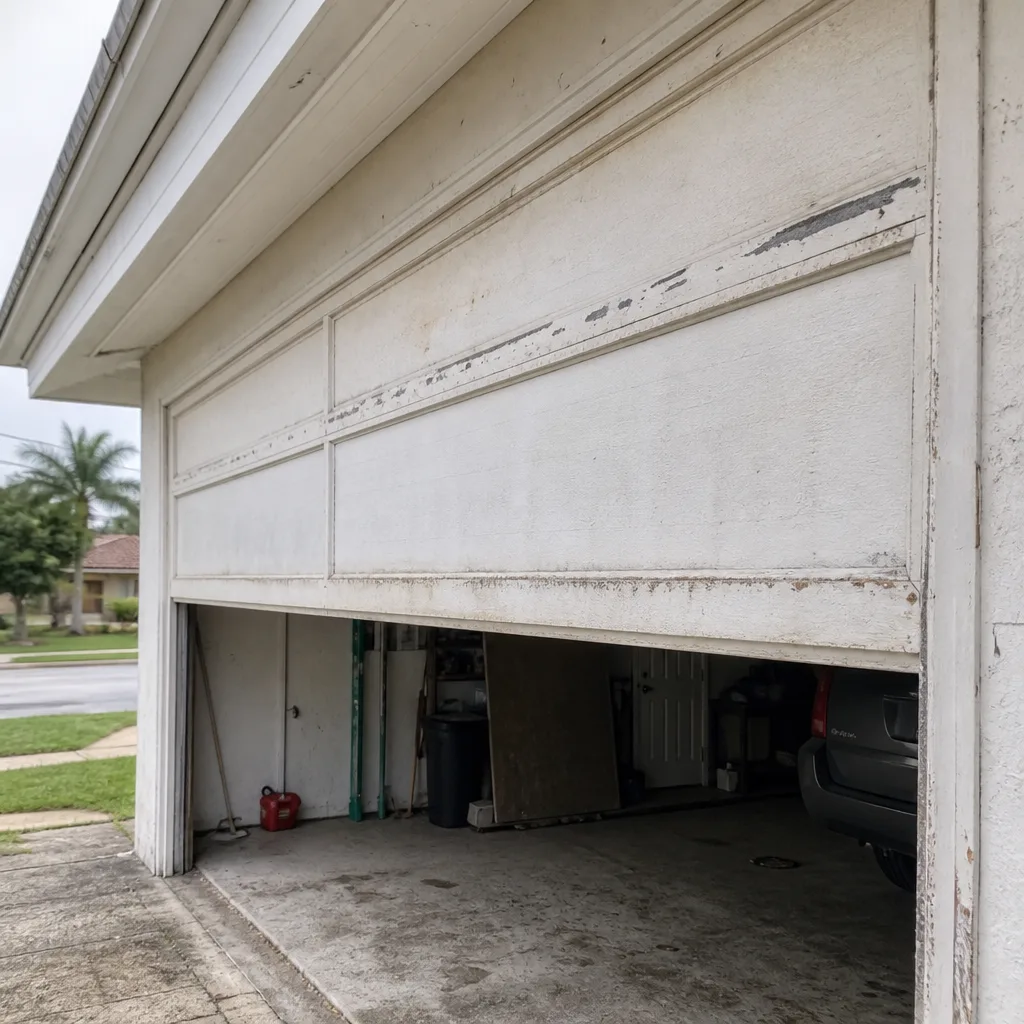 Before
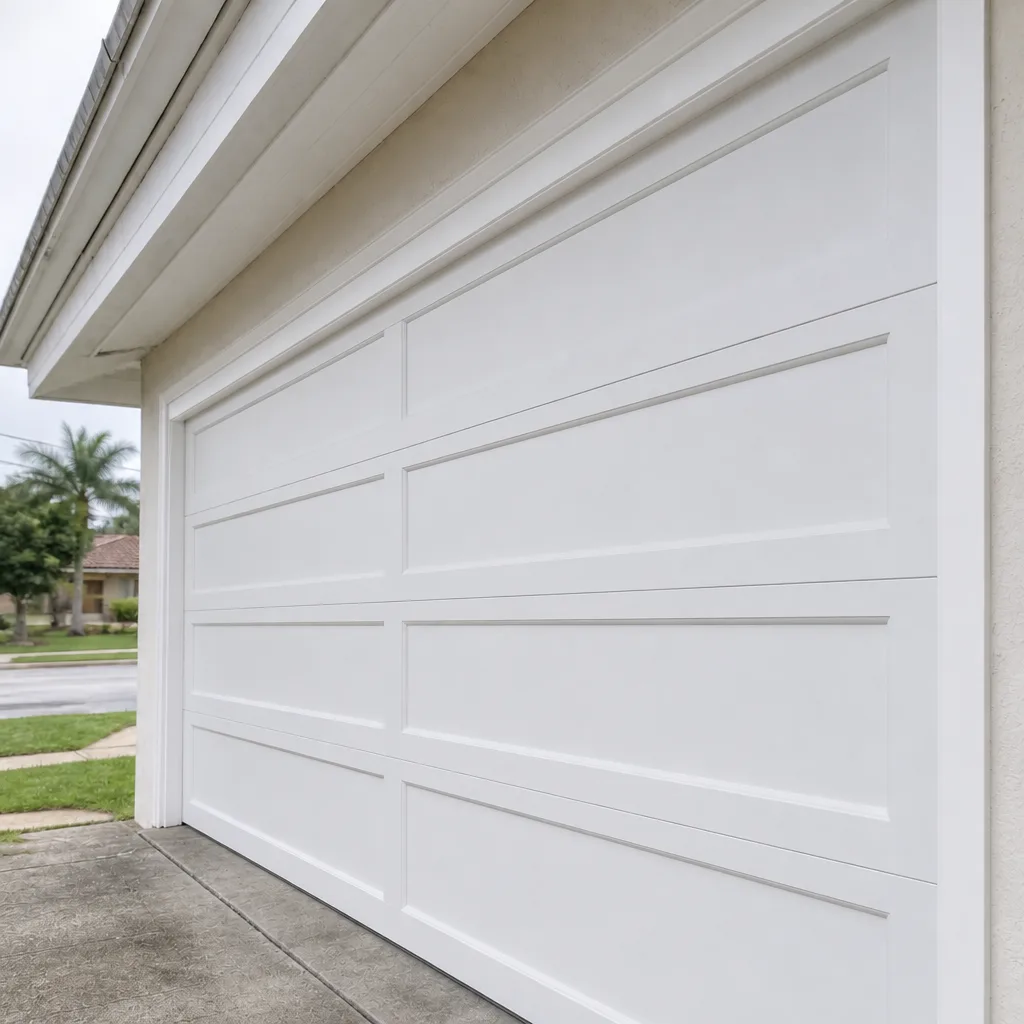 After
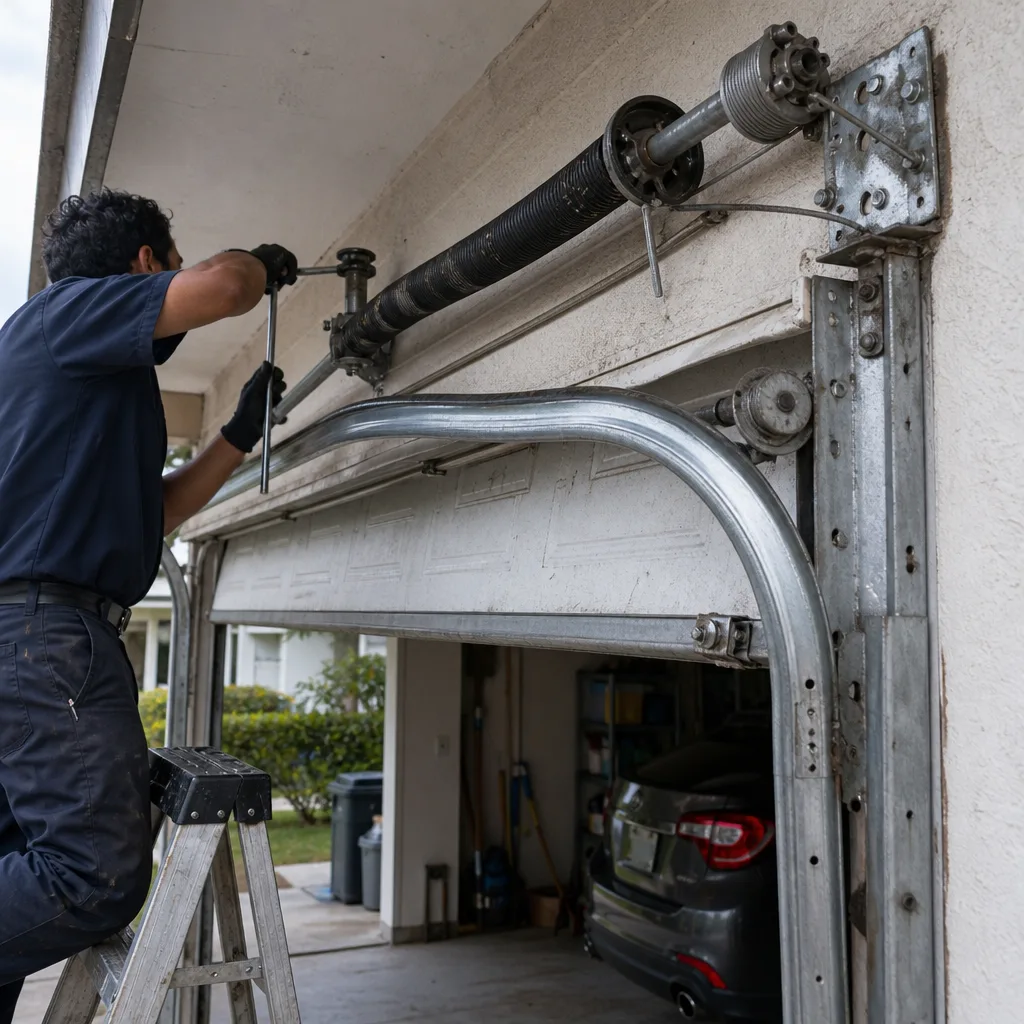 Before
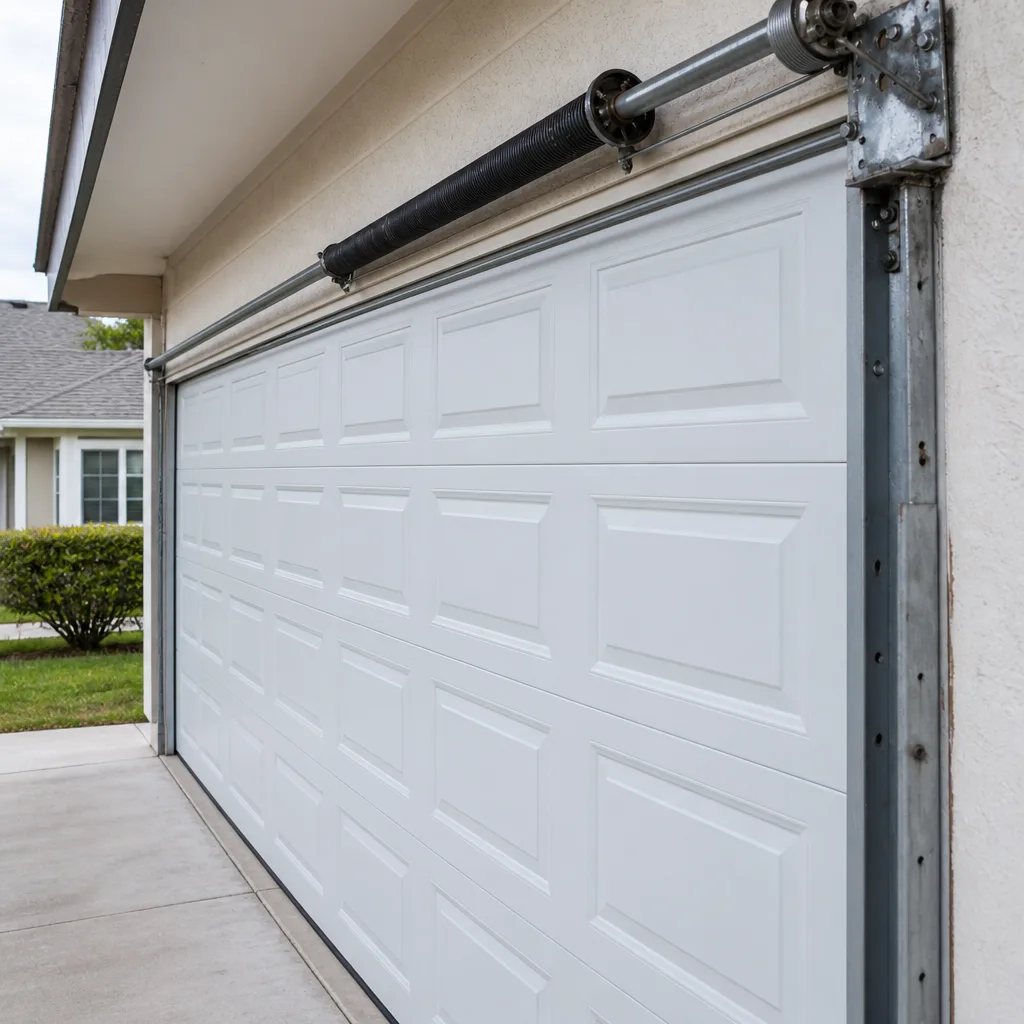 After
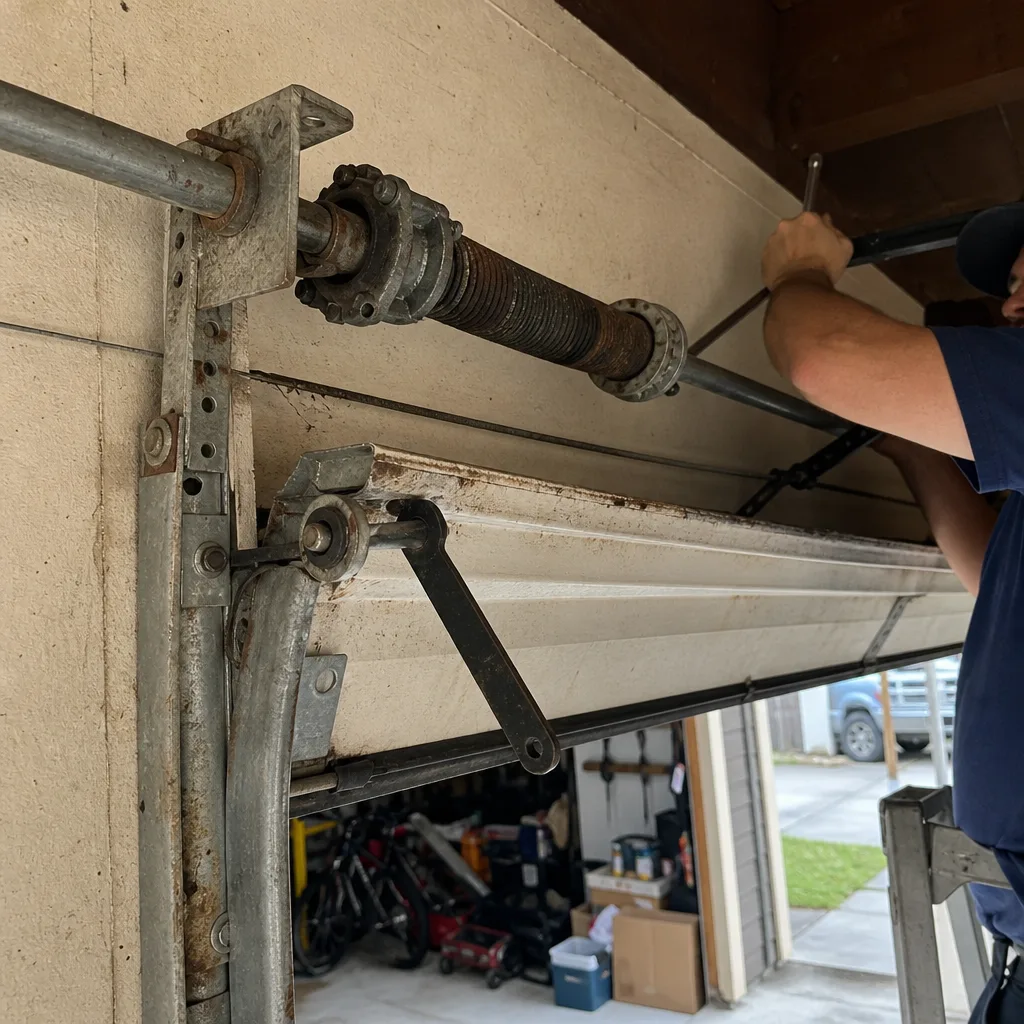 Before
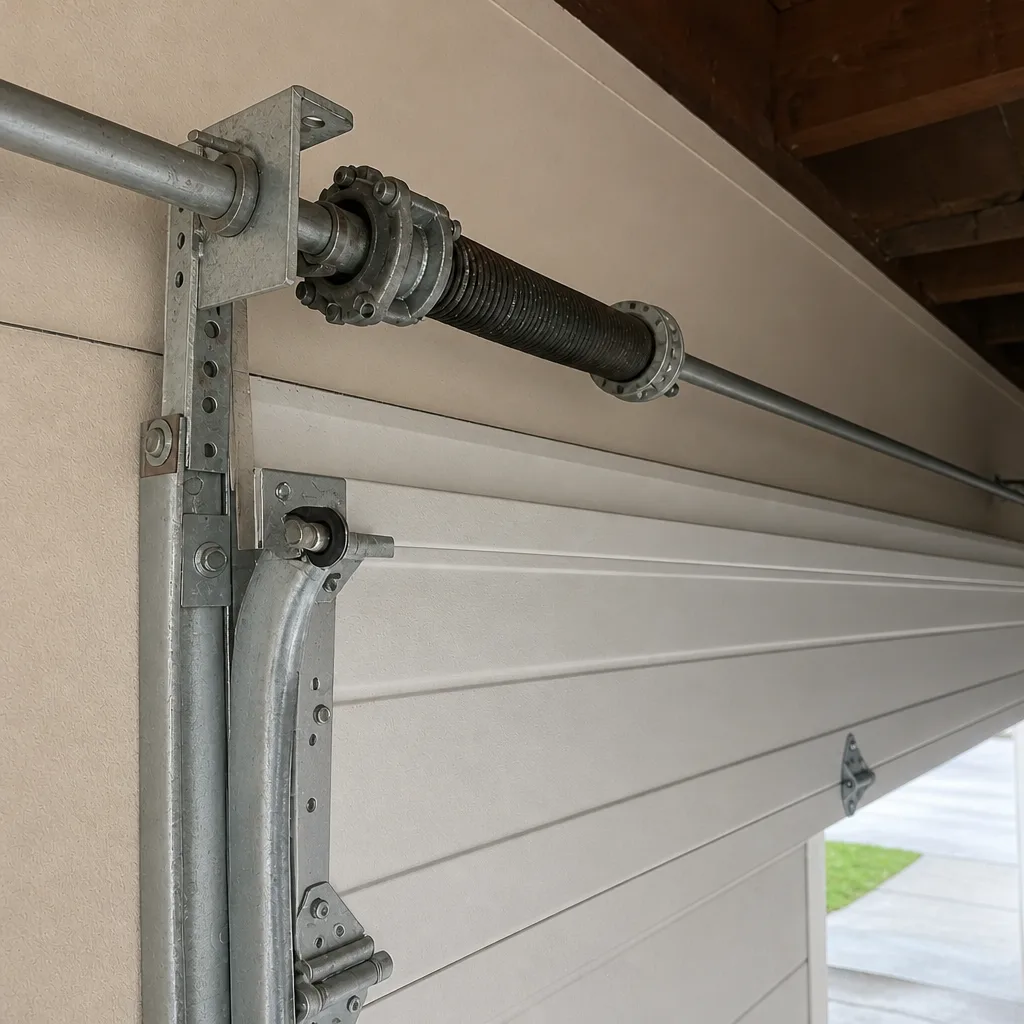 After
Frequently Asked Questions
In most cases, yes, if the replacement changes the door’s size, weight, or wind-load rating. A same-size, same-rating replacement may be exempt in some municipalities, but Broward County’s stricter wind zone rules mean many Fort Lauderdale replacements require a permit regardless. Your local building department can confirm for your specific address, and we can handle that verification when you call (855) 382-3858. Estimates are free.
A wind-load rating, expressed as a design pressure (DP) number like DP 50 or DP 55, indicates the wind force a door is tested to withstand. In Broward County, which sits in Florida’s High Velocity Hurricane Zone, garage doors must meet specific DP requirements based on your home’s exposure category. Impact-rated doors are also tested against flying debris, not just wind pressure.
A residential garage door replacement permit in Fort Lauderdale typically costs between $200 and $500 total, including application, review, and inspection fees. The exact amount depends on the job’s valuation and your specific municipality. Re-inspection fees run $50 to $150 if the first inspection fails. Call (855) 382-3858 and we’ll give you a realistic expectation for your specific job.
Yes, Broward County and Fort Lauderdale both have retroactive permit processes for unpermitted garage door replacements. You’ll need to document the existing door, submit an application, and schedule an inspection. If the door doesn’t meet current code, you’ll need to make corrections or replace it. The process typically costs $200 to $800 in permit and inspection fees before corrections.
A documented, wind-rated garage door is one component of a wind mitigation report that can earn you annual premium savings. In Fort Lauderdale, homeowners with complete wind mitigation documentation including a rated garage door commonly report savings of $300 to $1,200 per year. The key word is documented. An unpermitted door with no product approval paperwork earns you nothing.
The inspector issues a correction notice listing specific deficiencies, and you’ll need to fix them before scheduling a re-inspection. Common failure points include missing product approval labels, improper anchorage, and non-functioning safety sensors. Each re-inspection costs a fee and another scheduling window. That’s why we verify product approvals and test everything before the inspector arrives.
The Bottom Line
Florida treats your garage door as a structural component of your wind-resistance system, not a cosmetic panel. That means the permit question isn’t optional. In Fort Lauderdale, a properly permitted, wind-rated garage door protects your home, lowers your insurance premium, and preserves your resale value. An unpermitted door does none of those things. It creates liability. The retroactive process exists for a reason, but it’s more expensive and more stressful than doing it right the first time. Whether you’re replacing a door now or discovering a problem from a previous owner, the path forward is the same: verify the code requirements, get the permit, pass the inspection, and update your documentation. For additional help, explore more guides & resources on our blog. It’s the only version of this project that actually ends.
Written by the team at Fort Lauderdale Garage Door Repair, serving Fort Lauderdale since 2018.